
Last updated November 25, 2026
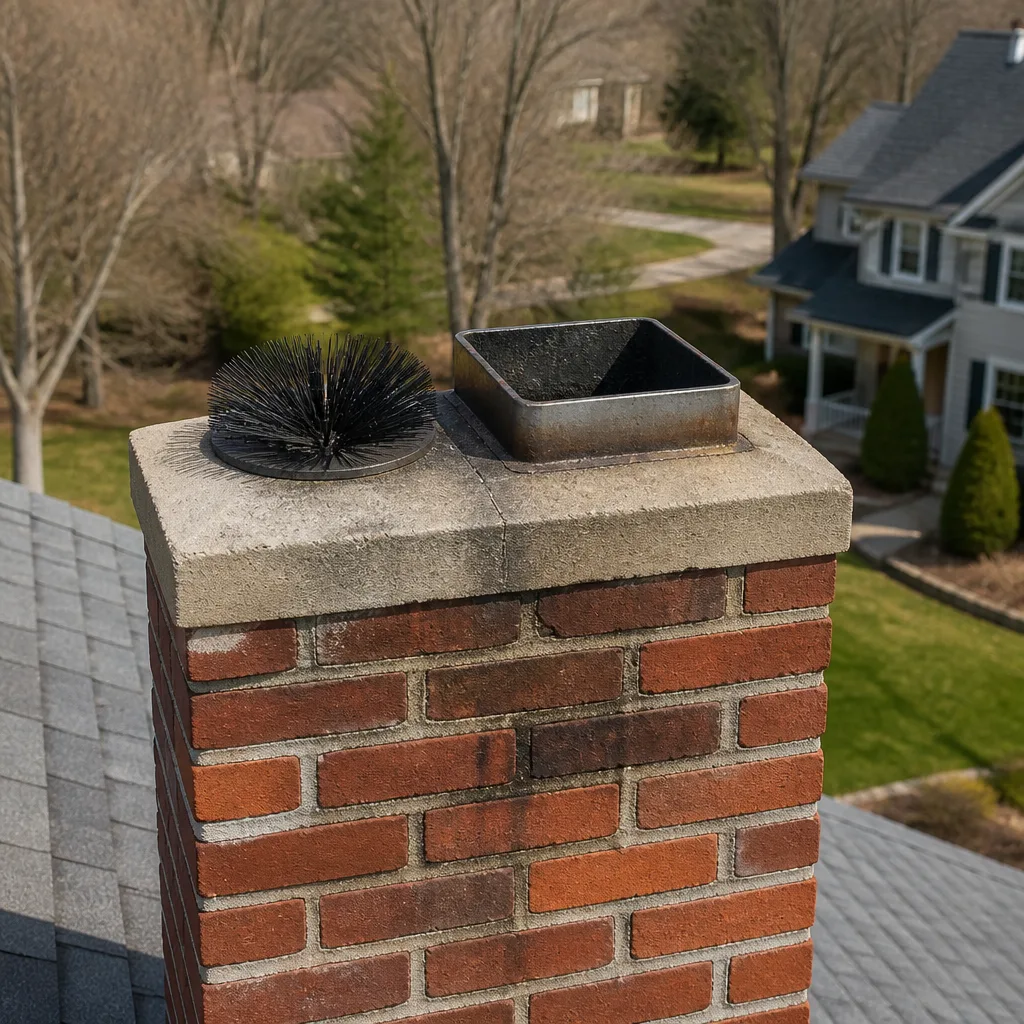 Sweep & inspection
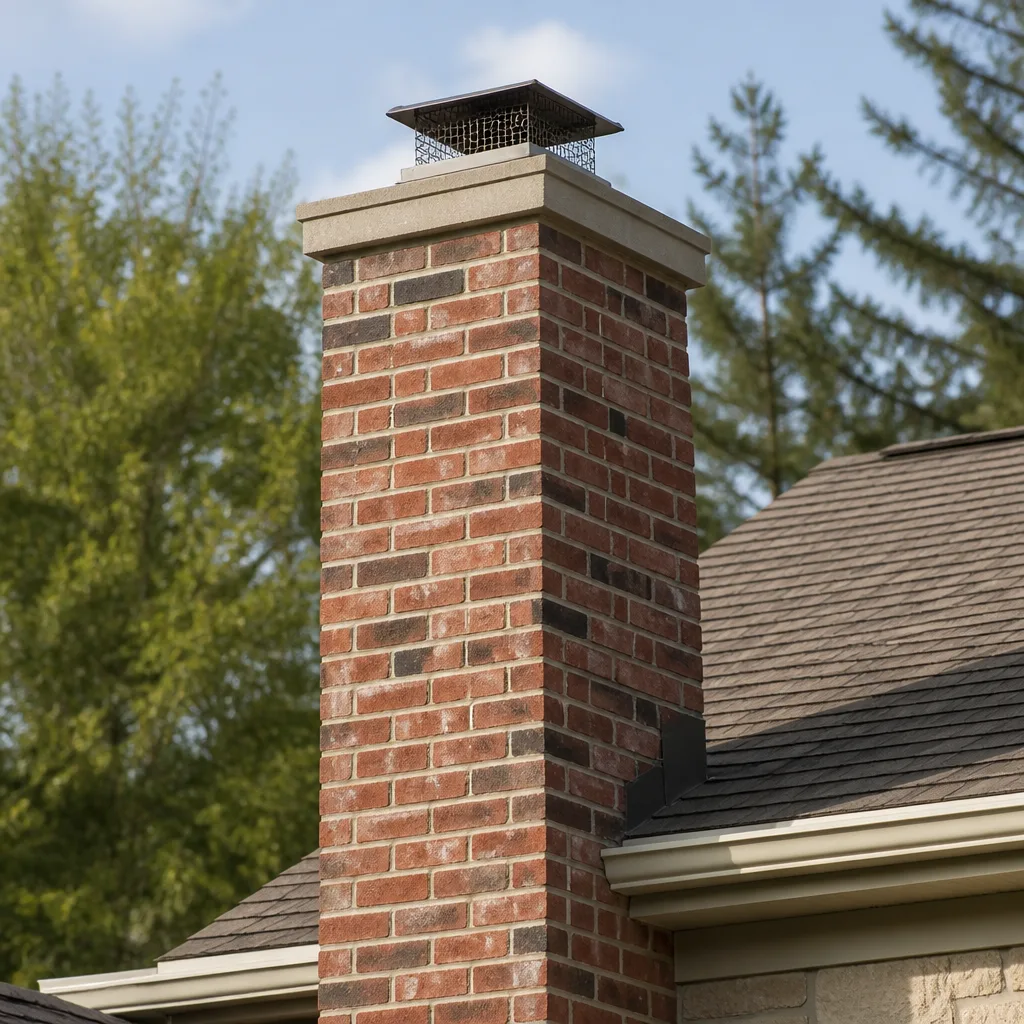 Caps & crowns
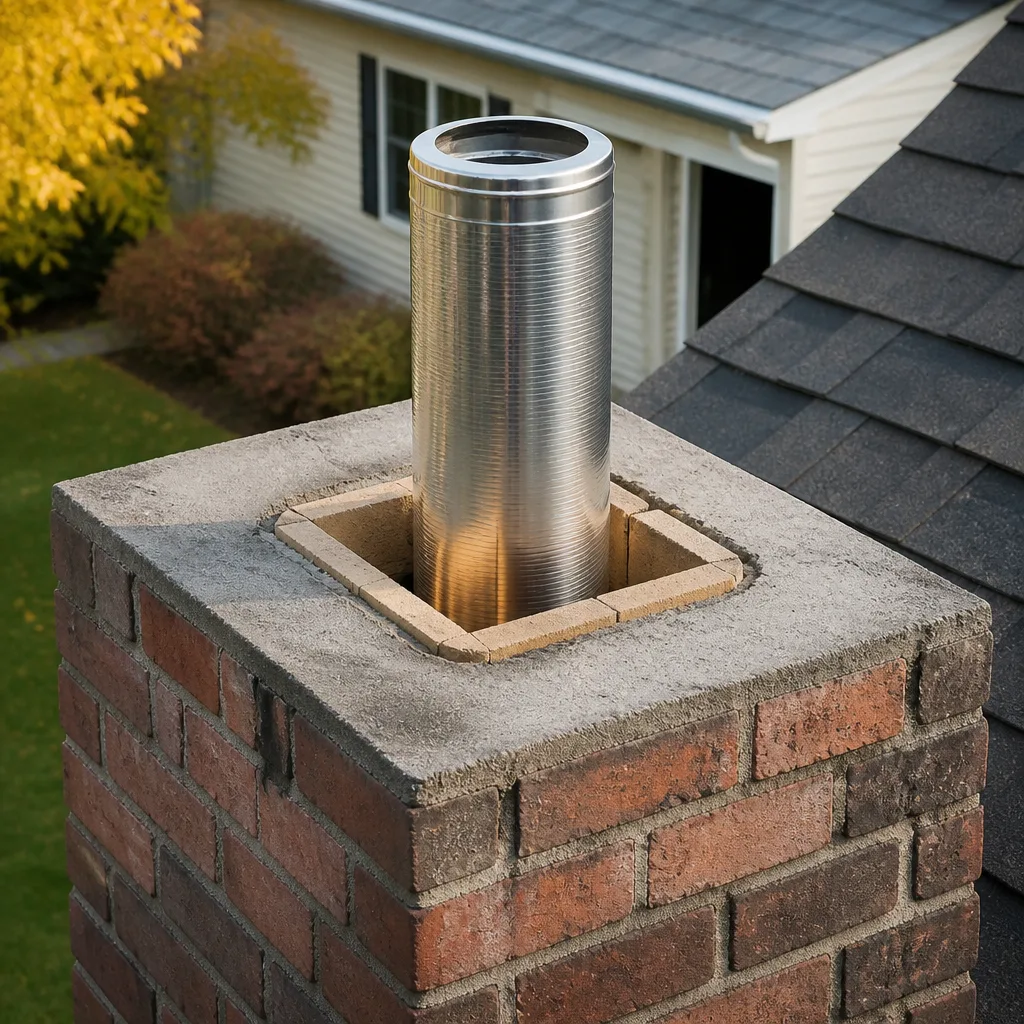 Flue relining
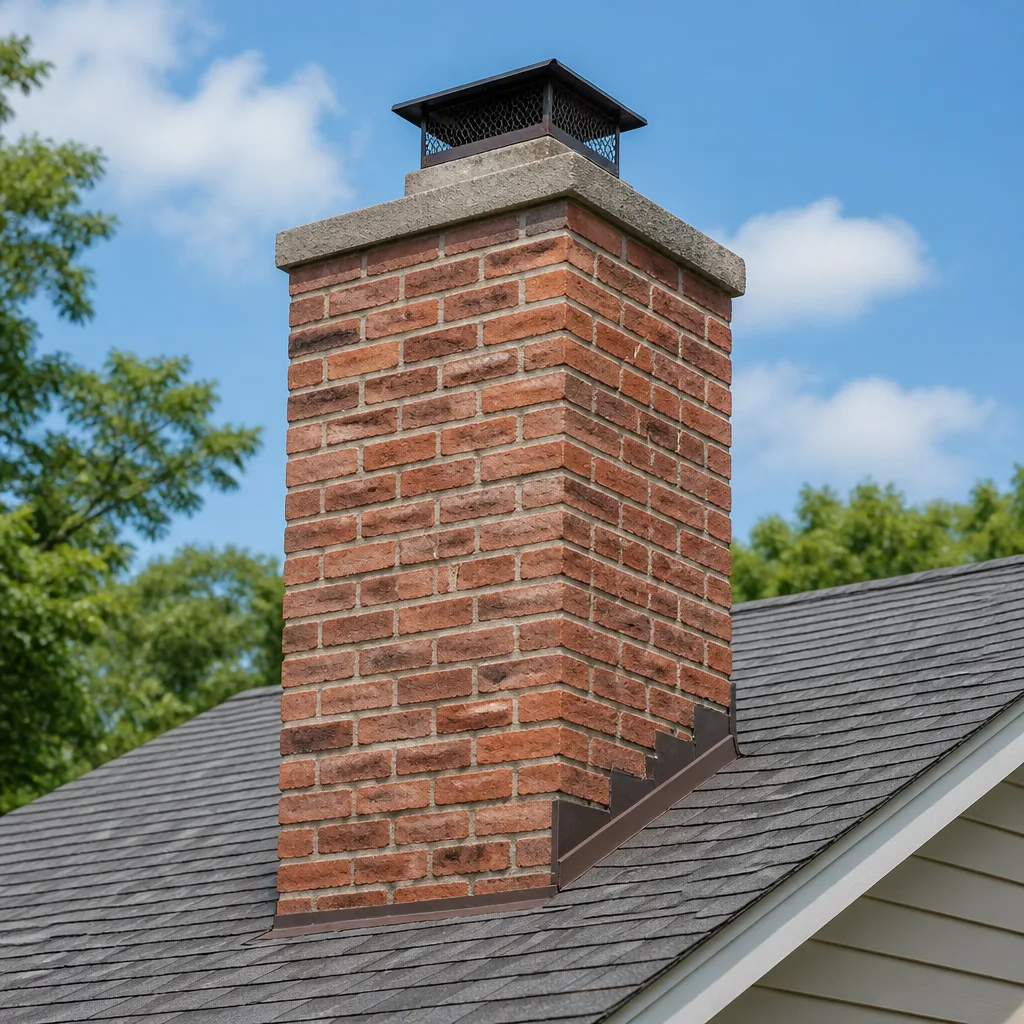 Masonry repair
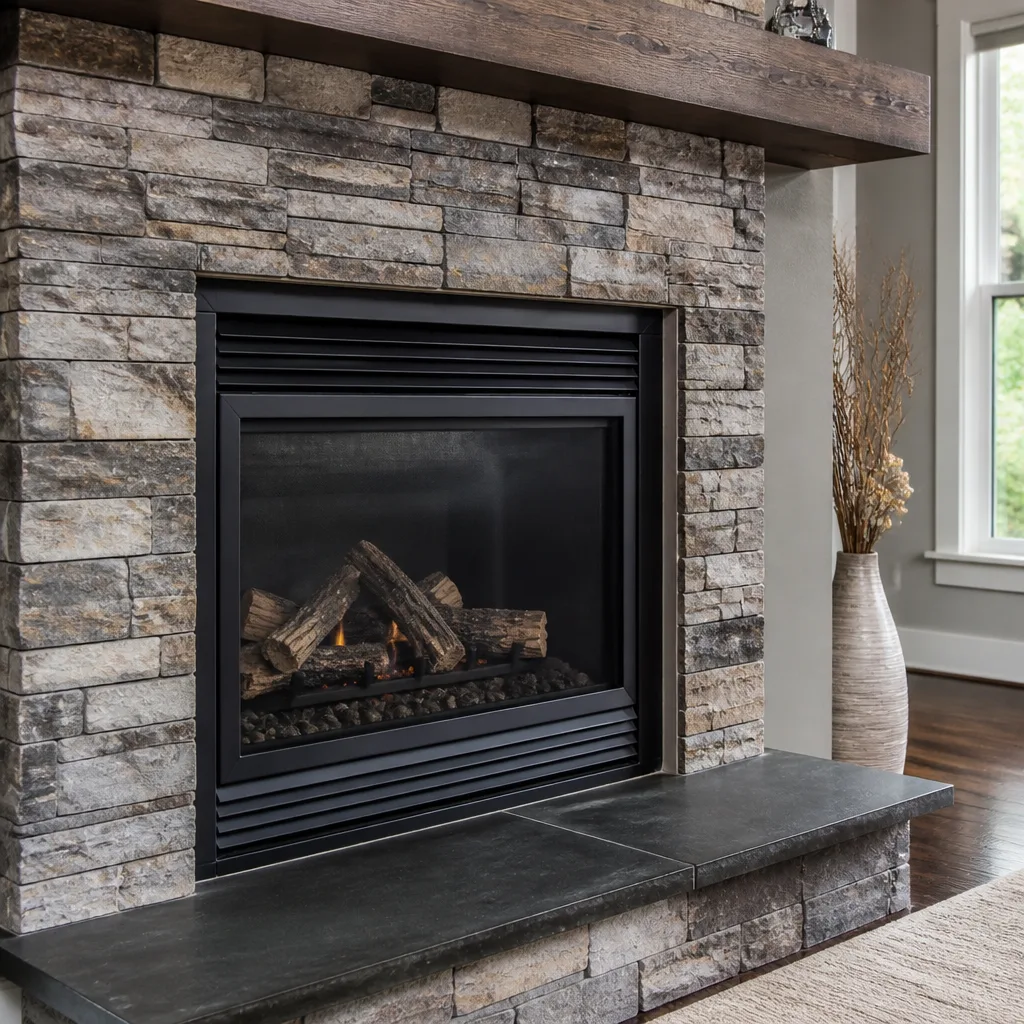 Gas fireplace service
Level 1 sweep and inspection to the NFPA 211 annual standard - flue, crown, cap, and flashing checked and photographed
Chimney sweep logs do not sweep chimneys. They loosen some creosote - which then falls where a brush and vacuum still have to collect it.
The Complete Guide to Chimney Cleaning in Redmond
Most chimney fires in the Pacific Northwest don’t start because homeowners skipped cleaning. They start because whoever cleaned the chimney didn’t flag the liner crack or the failed damper that made the creosote problem worse in the first place. A sweep that leaves you with a soot-free firebox and an unchanged diagnosis hasn’t finished the job. In Redmond, where rain and humidity push creosote to layer faster than it does in drier parts of the country, that distinction matters more than most homeowners realize. This guide walks through what chimney cleaning actually involves here, how to read the results, and what to ask before anyone touches your flue.
Quick Answer
Chimney cleaning in Redmond is a diagnostic process, not a quick brush-and-go. A proper appointment includes sweeping with equipment matched to your flue type, a Level 1 or Level 2 inspection depending on the job, and a written report on liner condition, creosote staging, and any components that need attention. In Redmond’s wet climate, most wood-burning chimneys need cleaning every year rather than the every-two-to-three-years commonly quoted for drier regions.
Styles & brands we work with
- Sweep & inspection
- Caps & crowns
- Flue relining
- Masonry repair
- Gas fireplace service
Table of Contents
- Why Chimney Cleaning in Redmond Isn’t Like Cleaning Elsewhere
- What Actually Happens During a Chimney Cleaning
- Level 1, Level 2, and Level 3 Inspections: Which One Do You Need?
- Why the Liner Decides Whether Cleaning Makes Your Fireplace Safe
- What Rotary Cleaning Reaches That Standard Brushes Miss
- How to Read a Cleaning Report and What to Ask Next
- How Often Should Your Redmond Chimney Be Cleaned?
- What Does Chimney Cleaning Cost in Redmond?
Why Chimney Cleaning in Redmond Isn’t Like Cleaning Elsewhere
If you’ve read a general chimney guide written for the Midwest or the Southwest, the advice won’t match what we see in Redmond. Western Washington’s wet climate changes how creosote forms, how quickly it accumulates, and what condition the flue is in when a sweep finally gets a look at it. Rain and humidity matter in ways that don’t show up in a national article.
Creosote forms when wood smoke cools before it exits the flue. The smoke condenses on the flue walls, and the extent of that condensation depends on flue temperature, moisture content in the wood, and the humidity around the chimney itself. Redmond sits in a marine-influenced climate with long damp seasons, which means flues that sit cool longer between fires and wood that holds more moisture if it hasn’t been seasoned carefully. Both factors speed up creosote layering.
What that means practically:
- Chimneys that see moderate use here often build up glaze-stage creosote faster than the same chimney would in a dry climate.
- Wood stacked under a tarp or in a carport around Redmond can absorb moisture from humid air even when it looks dry on the outside.
- Older homes in Redmond neighborhoods like Education Hill and Grass Lawn often have flues built to a different standard than what new construction uses, which changes what cleaning can and can’t accomplish.
- Rain intrusion past a failing cap or crown adds moisture to the flue lining, which accelerates the breakdown of the tile and makes creosote harder to remove.
The takeaway: any chimney sweeping program near Redmond that doesn’t account for the local moisture pattern is probably oversimplifying the job.
What Actually Happens During a Chimney Cleaning
A real cleaning appointment has a sequence. It isn’t a stranger with a brush on a ladder. Here’s what a well-run visit looks like:
- Protect the room. Drop cloths go down and the firebox is sealed off with a dust barrier before any equipment comes in. A good sweep takes this seriously because soot travels.
- Look at the firebox and damper first. Before brushing, the technician checks how the fireplace is used and whether the damper opens and closes cleanly. A stuck damper is a common find in older Redmond homes.
- Inspect what’s visible. That includes the firebox, damper, smoke chamber, and as much of the flue as a video scope can reach.
- Run the sweep. The tools vary. Straight flues usually take a traditional brush. Offset flues, offset dampers, and tile that has started to spall need rotary equipment, and the technician chooses tools accordingly.
- Check the exterior. The cap, crown, flashing, and the top of the flue are part of the equation because water intrusion at the top is one of the most common reasons a Redmond chimney performs poorly.
- Report the findings. A written summary of what was cleaned, what was found, and what needs attention. This is the part that separates a diagnostic appointment from a working-over.
Ask before the technician arrives what’s included. A cleaning that stops at the firebox isn’t’ complete. A cleaning that skips the roof-level check and the flue camera is leaving the most important information on the table.
Level 1, Level 2, and Level 3 Inspections: Which One Do You Need?
Chimney inspections come in three levels defined by the scope of what’s examined. Most cleaning appointments for Redmond homeowners only need a Level 1, but the level isn’t a pricing tier; it’s a scope of work.
Level 1 Inspection
This is the standard that applies during a routine cleaning. It covers the readily accessible parts of the chimney: the firebox, damper, smoke chamber, flue from the firebox up to the top, and the chimney exterior. It’s the right level when the fireplace is used normally and nothing has changed.
Level 2 Inspection
Level 2 uses a camera to see the full flue interior, and it applies any time something important has changed. Triggers include:
- Buying or selling a home (this is where a standalone inspection is useful; ask whether it can be scheduled without a cleaning attached)
- A change in fuel type or appliance (for example, switching from wood to gas or adding a wood stove insert)
- After a chimney fire or a significant earthquake
- After a long period of disuse
- If a previous sweep flagged something but couldn’t fully view it
Level 3 Inspection
Level 3 involves opening parts of the chimney structure to see what the camera cannot. It only happens when needed, and it’s a bigger job. It isn’t done without a clear reason.
If you’re working with a company that only offers one scope of inspection, that’s a sign the appointment will be under- or over-scoped. A cleaning company that can move between levels as needed is the one to work with. If you’ve recently bought a home in Redmond and want an independent read on the chimney, ask specifically for a standalone inspection.
Why the Liner Decides Whether Cleaning Makes Your Fireplace Safe
This is the part most homeowners miss. A clean chimney is not the same as a safe chimney. The flue liner is the surface the smoke travels against on its way out, and it’s also the barrier that keeps heat away from the wood framing of your house. If the liner is cracked, spalled, or missing, you can sweep the soot off of it and still have a chimney that shouldn’t be lit.
Liner failure shows up in ways that matter:
- Cracked or spalled tile. Common in red-brick chimneys built before modern liner standards. Even a hairline crack can let heat or gases reach the framing.
- Missing mortar joints. When joints between tile sections erode, smoke escapes into the chimney’s interstitial space.
- Corroded metal liners. Older pre-fab liners can rust through from the inside out, and the damage can be invisible from the firebox.
- No liner at all. Some older Redmond homes were built with an unlined chimney. That’s a real safety issue that cleaning does not fix.
This is where the inspection earns its keep. When we open a flue with a camera, we’re checking liner condition, not just creosote. If the tile is compromised but structurally intact, resurfacing with HeatShield can restore the flue without a full tear-out. That’s a specialist method that most sweep-only companies don’t offer and can’t diagnose, and it’s a good reason to ask who does the liner work before you book the cleaning.
If the liner is beyond resurfacing, a proper reline uses professional-grade flexible liner systems such as DuraFlex. Those are the type of liners specified in complex relining jobs. Ask what product is going in, and ask why that specific product fits your flue.
What Rotary Cleaning Reaches That Standard Brushes Miss
The difference between a rotary cleaning and a hand-brush sweep isn’t speed. It’s what gets removed. Standard brushes work well on straight, lightly sooted flues. They struggle in the places where creosote becomes dangerous.
Rotary equipment uses a motorized spinning head with interchangeable steel or poly brushes that conform to the flue wall and dislodge hard deposits. In older Redmond homes, especially those with offset flues or elbows, rotary work is often the only way to reach the buildup in the bends and behind the smoke shelf. The smoke shelf in particular is a ledge at the base of the smoke chamber where creosote tends to accumulate; a brush run straight up and down misses it entirely.
What professional rotary equipment addresses:
- Glaze-stage creosote that has hardened onto the flue walls
- Deposits in offsets and 30- or 45-degree flue bends
- Soot left behind by earlier brush-only cleanings
- Buildup on the smoke chamber’s sloped surfaces
If a previous sweep told you “everything looks fine” but never brought a camera, never got on the roof, and never mentioned rotary tools, “fine” only meant “fairly clean at the spot the brush could reach.” That’s not the whole picture.
We also use rotary work during Chimney Sweep Redmond appointments where older homes are involved, because the tooling has to match the chimney. One brush fits all is a hardware-store approach, not a professional one.
How to Read a Cleaning Report and What to Ask Next
A good cleaning report is a diagnostic document, not a receipt. If the document you get back is a signature line and a paid stamp, you don’t have a report. Here’s what a report should contain and the questions worth asking about it.
What a complete report includes
- Creosote stage (usually described on a 1-to-3 scale from light soot up to glazed), plus where it was found.
- Liner condition with photos or video stills from the camera run.
- Damper and smoke chamber notes – functional or not.
- Exterior assessment covering cap, crown, flashing, and flue top.
- Recommendations split into “do now,” “watch,” and “no action needed.”
Questions to ask before scheduling any repair
- Can I see the photos or the video from the camera run?
- Is this issue something that puts the fireplace out of service, or is it something we can safely monitor?
- What product would you use to fix it, and why that one?
- If the fix is a liner issue, is resurfacing possible, or does it require a full reline?
- What’s the written estimate, and what’s the scope?
The last question is the one that gets rushed. A trustworthy company puts the scope in writing and stands behind it. If someone tells you thousands of dollars of liner or masonry work is needed but can’t show you a picture of the problem, that’s a red flag. Every recommendation should come with evidence you can look at yourself.
And it’s fine to be told something can wait. A minor bit of spalling on a crown, a slightly loose cap, worn flashing – these are often tasks that can be scheduled rather than treated as emergencies. We’d rather tell you what can wait than oversell the job.
How Often Should Your Redmond Chimney Be Cleaned?
Most builders of wood-burning fireplaces recommend an annual inspection, and many chimney professionals recommend annual cleaning for regular users. In Redmond, that annual baseline is the right one for most households. The rainy, humid climate accelerates creosote layering, and the long shoulder seasons mean a chimney can sit unused for weeks and then be fired hard during a cold snap.
Adjust the schedule based on how the fireplace is used:
- Frequent users (multiple fires per week during heating season): annual cleaning, without question.
- Weekend users: annual inspection, cleaning when the report shows buildup.
- Rarely used: still inspect annually. A flue that hasn’t been swept in a decade can hold old deposits that no longer look fresh but are still a risk, plus the inspection catches liner and damper issues that wood heat alone didn’t cause.
- Recently purchased home: inspect before the first fire, regardless of what the seller said. You have no way of knowing the actual cleaning history.
If you’ve never had your chimney cleaned and the home predates the 1990s, that first appointment should be treated as a baseline, not a routine sweep. In our experience, the initial inspection on an older Redmond home turns up more than expected more often than it turns up nothing.
If a previous sweep told you everything is fine but the fire draws poorly, smells smoky on start-up, or leaves the room hazy, book an inspection before you light another fire. The symptoms point at flue or pressure issues that cleaning alone won’t fix. If it turns out the firebox or damper assembly needs work, fireplace repair is part of the same system.
What Does Chimney Cleaning Cost in Redmond?
Cleaning costs vary by what’s actually included. A bare-bones sweep of a straight flue costs less than a full diagnostic that includes a camera inspection, exterior check, and written report. Price doesn’t tell you which you’re getting, so ask. The estimate should be in writing before the work is booked, with the scope spelled out.
- Standard cleaning with Level 1 inspection – priced per job. Includes firebox, damper, flue, and exterior check, with a written report.
- Level 2 inspection add-on – priced separately when a camera is required. Common when buying or selling a Redmond home.
- Caps and crowns – priced per job with the specific product named in the estimate. Proper caps and crowns from brands like Famco protect the flue from rain intrusion that otherwise accelerates creosote problems.
- Liner resurfacing (HeatShield) or relining (DuraFlex) – quoted per flue based on height, condition, and access. Written scope required.
The final price is set by the written estimate for the specific job, not by a flat rate quoted over the phone. If someone gives you a firm number without seeing the chimney, be cautious; it’s usually either too high for what turns out to be needed, or too low to cover the real work. Call chimney sweep services that show their scope in writing.
If the report recommends a cap or crown, see chimney cap & crown for what’s involved. Those components protect the whole system from water, which is the biggest driver of premature deterioration in Redmond.
Common Mistakes to Avoid
- Assuming a clean firebox means a safe chimney. Soot is easy to see; liner damage isn’t. Ask for the camera report even if you feel like you’re being pushy.
- Hiring whoever shows up first with a brush. Price shopping for the cheapest sweep in Redmond often lands you with a company that cleans and leaves, without ever diagnosing the flue. The information you don’t get is what costs money later.
- Burning unseasoned wood because it’s easier to find locally. Wet wood adds moisture to the flue system and slows combustion, which pushes creosote. Dry wood is the single biggest factor in keeping creosote manageable.
- Skipping the inspection because you cleaned last year. Cleaning and inspection are not the same service. Cleaning removes soot; inspection catches what changed since the last visit.
- Ignoring roof-level problems. A loose crown, failing flashing, or a missing cap lets water in from the top, and Redmond’s winter rain does the rest.
- Getting sold a liner without a photo. Any recommendation for hundreds or thousands of dollars of liner work should come with photos from the camera run showing the specific damage.
- Treating the fireplace as an emergency when the report says it can wait. A slightly worn crown or a loosening cap isn’t a tonight problem. Ask about a timeline, not a same-day fix.
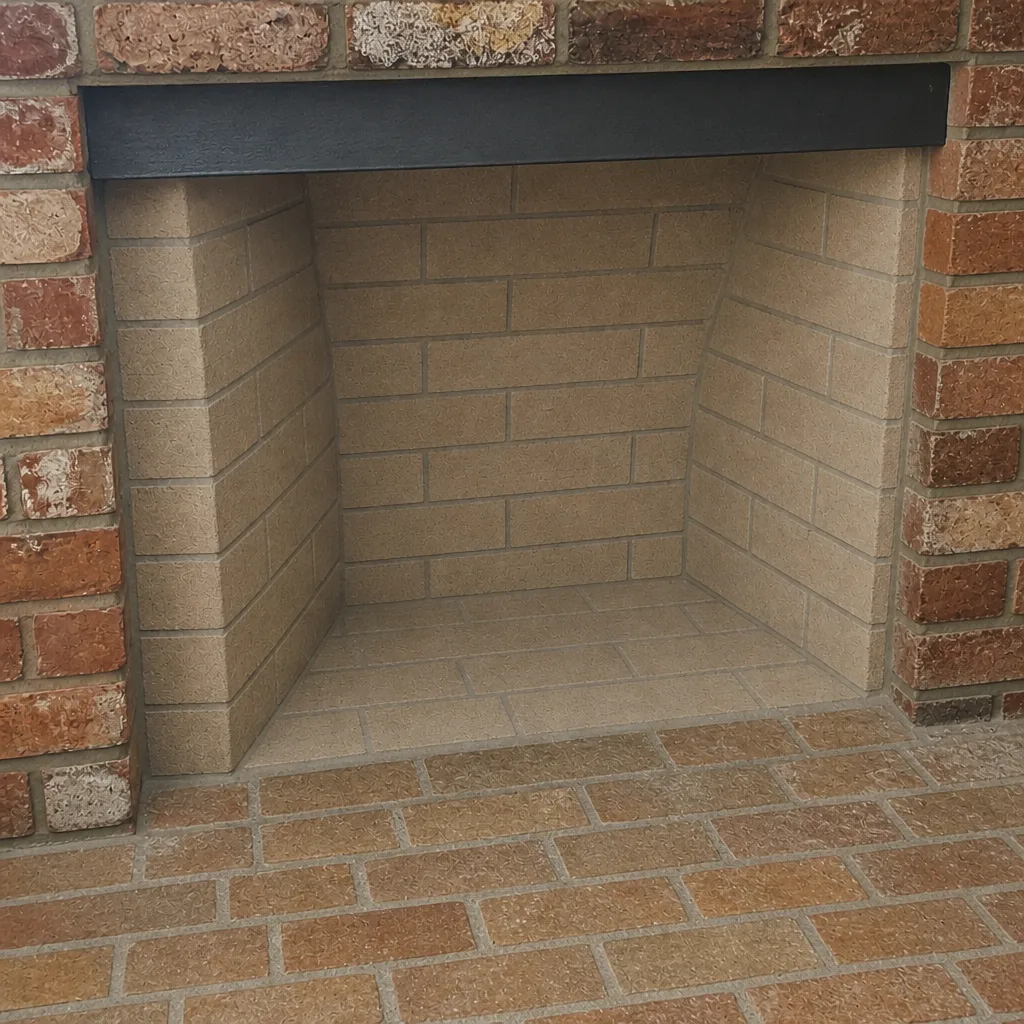
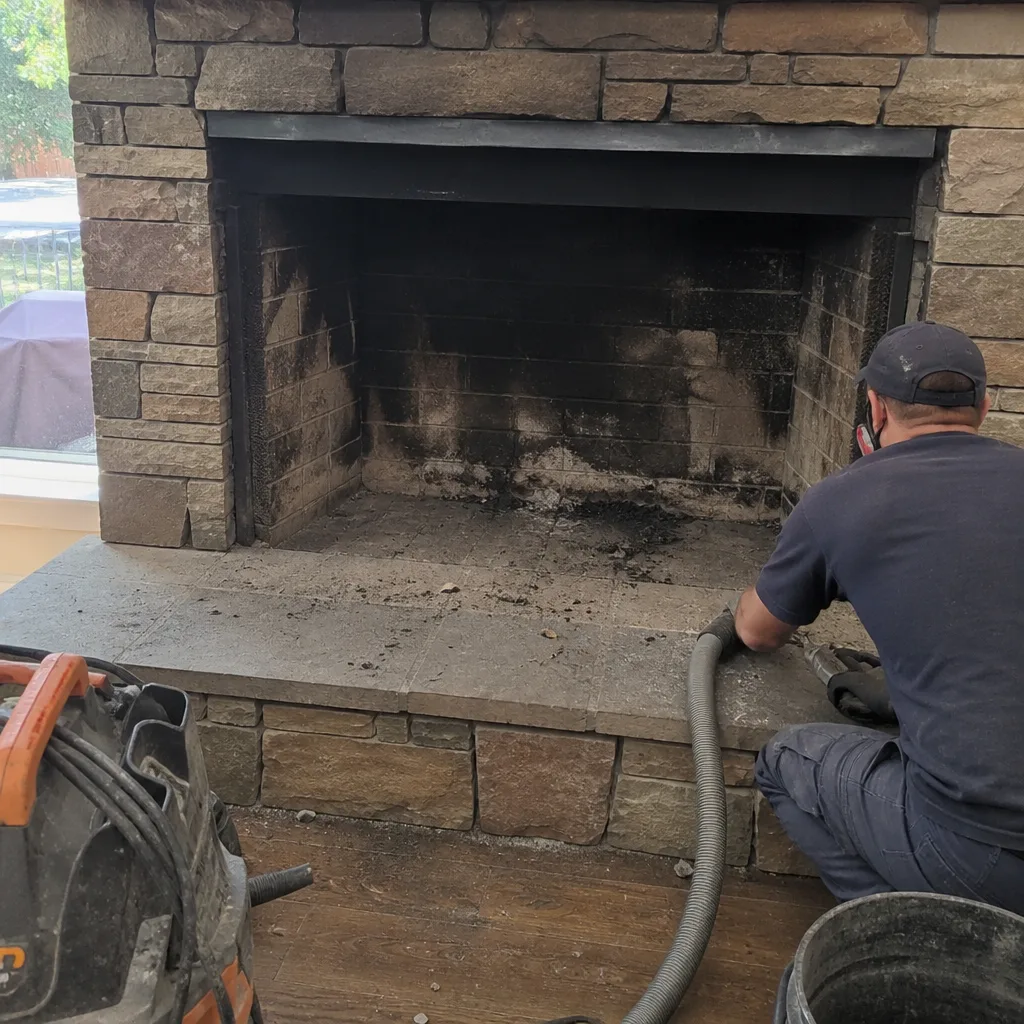
See the difference
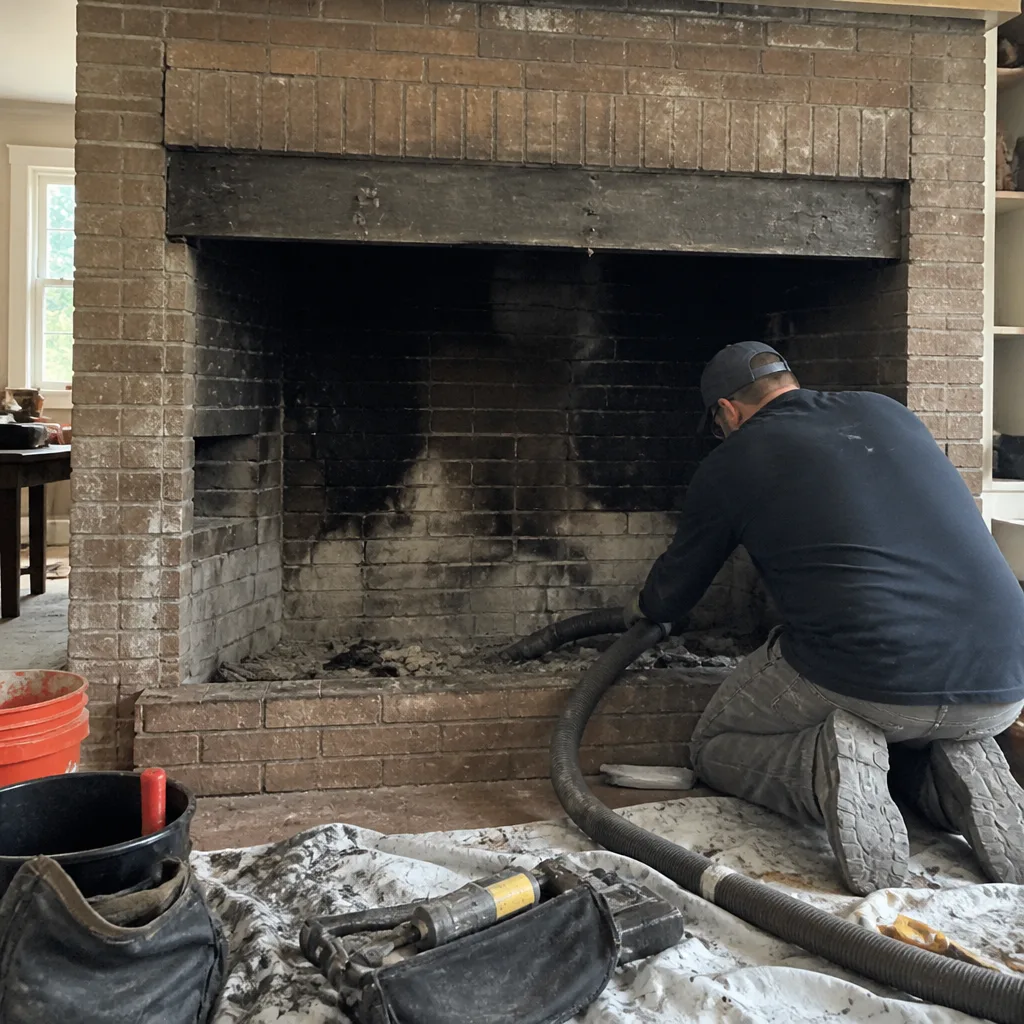 Before
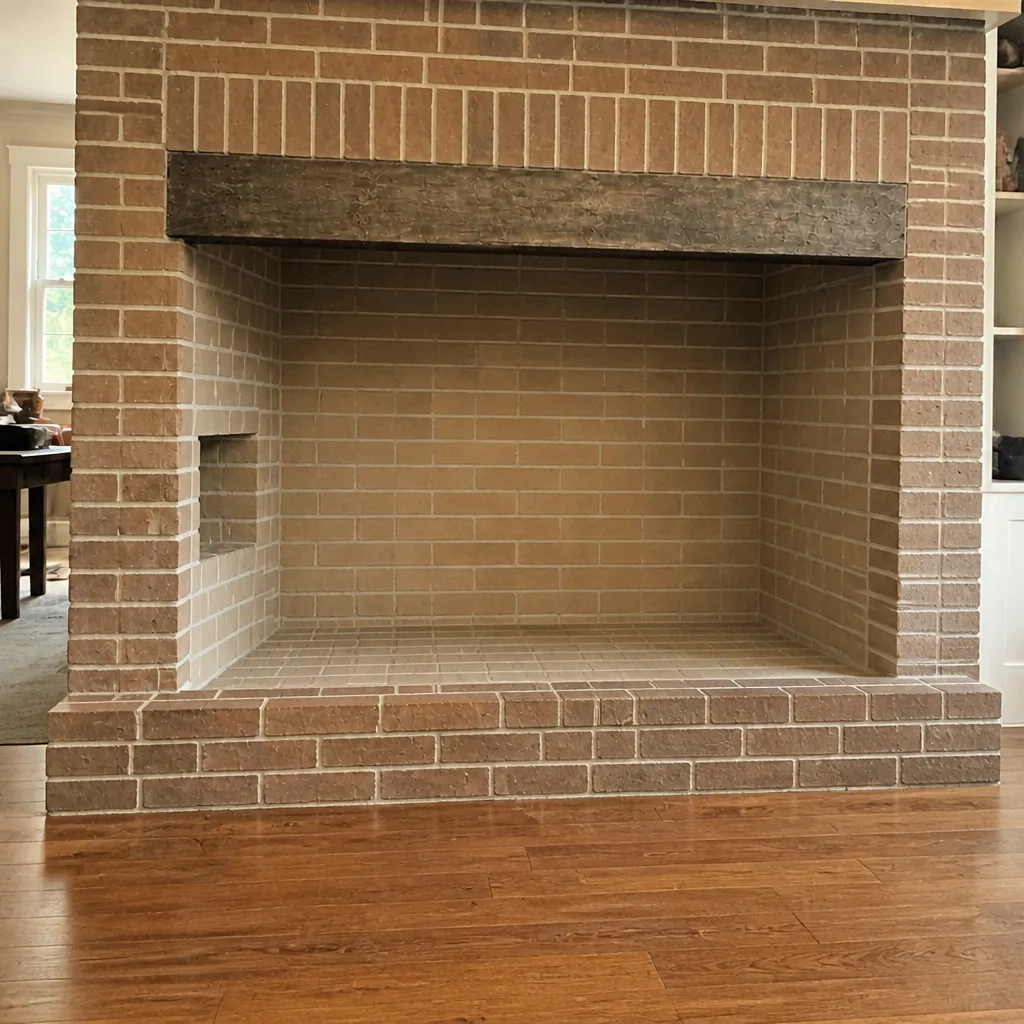 After
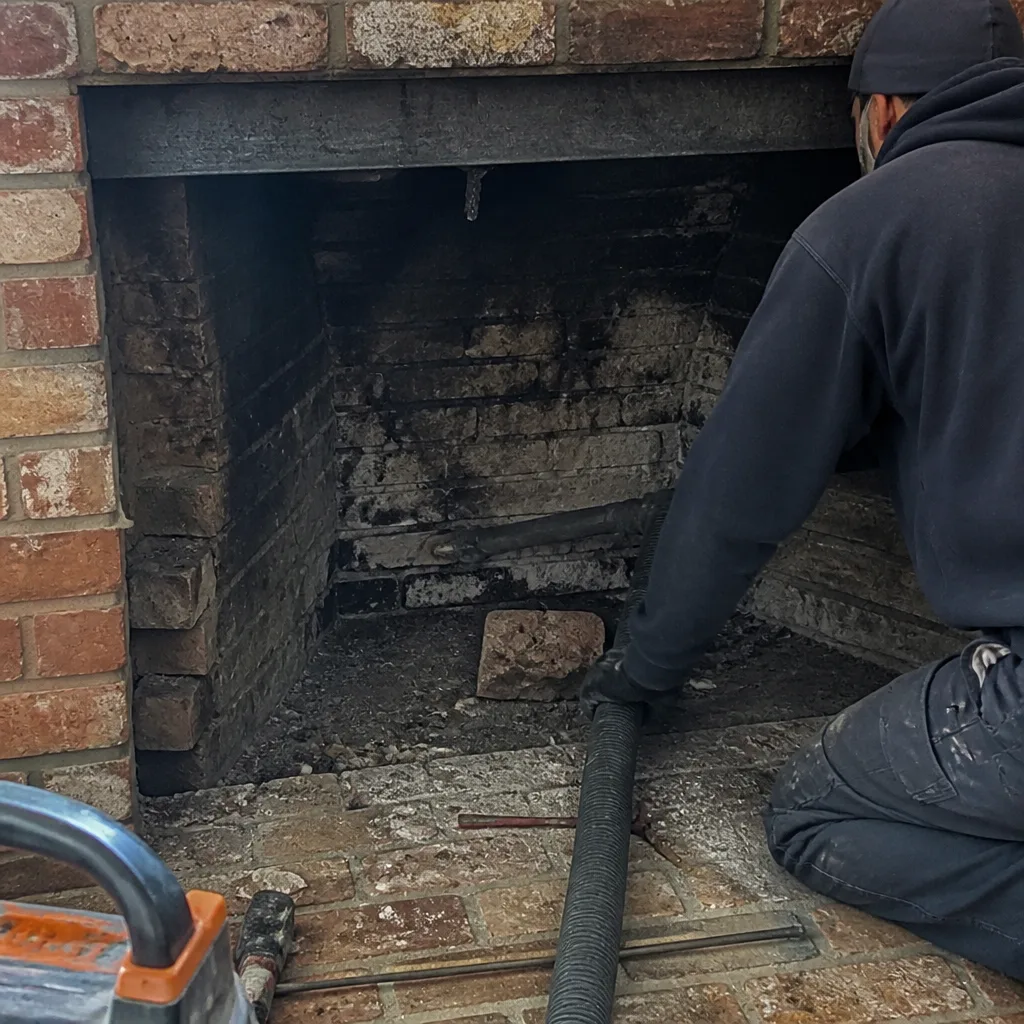 Before
 After
 Before
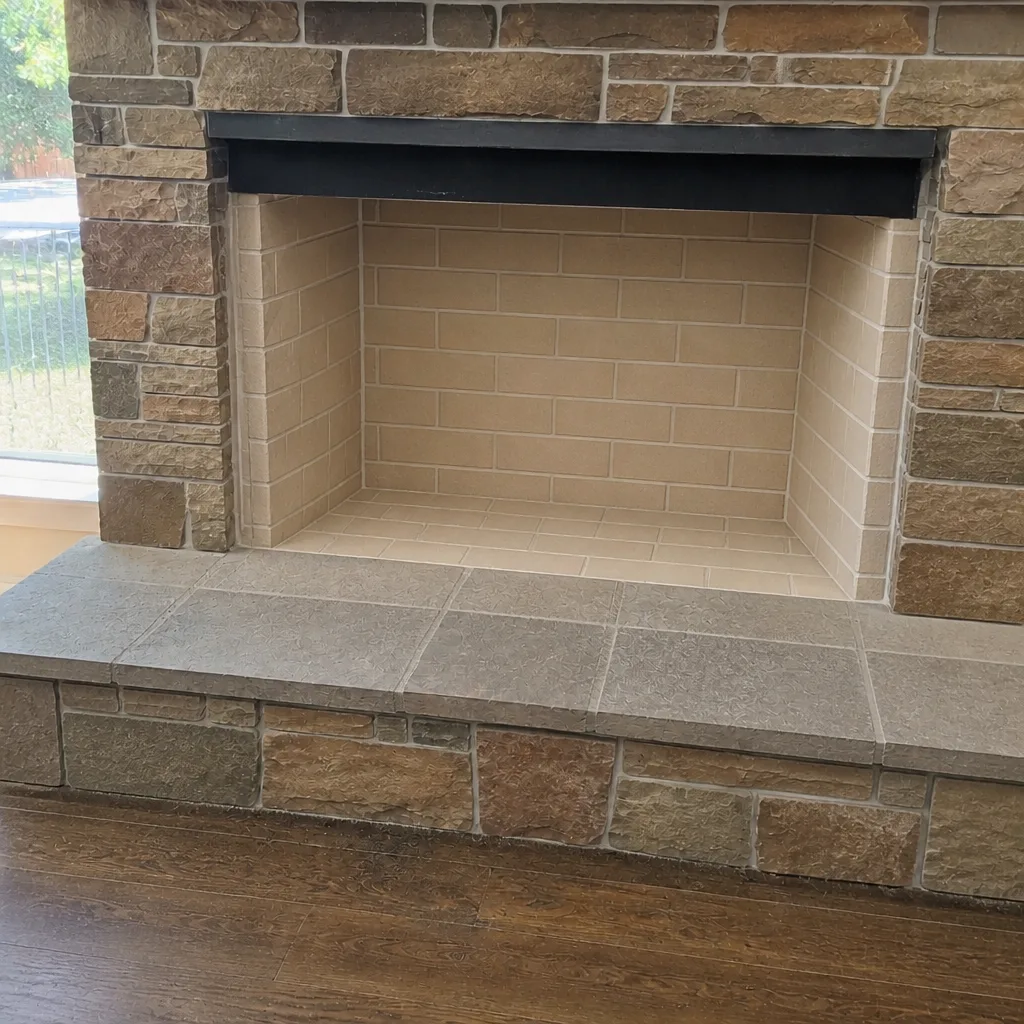 After
When to Call a Professional
Some issues are obvious from the living room. If the fireplace puffs smoke into the room on start-up, if a burnt-wood smell lingers for days afterward, if the damper won’t open or close smoothly, or if you’ve noticed black staining on the brick above the firebox, those are signs something beyond the firebox needs a look. If you hear a low rumble during a fire, that fits a pattern worth checking before lighting another one.
If you don’t know when the chimney was last cleaned, that’s another reason to call. A first appointment in Redmond is often the most valuable one because it establishes a baseline. Nothing gets recommended without evidence you can see, and it’s fine to be told a repair can safely wait.
Chimney Sweep Redmond offers free estimates in Redmond – call (855) 550-7958. We answer 24/7. Fast dispatch from 7am to 7pm, Sunday through Friday.
Frequently Asked Questions
Cleaning is priced per job and set by a written estimate, so a single number over the phone isn’t reliable. Different flues need different tools, and a diagnostic visit that includes a camera inspection and written report is a different scope than a standard sweep. Call (855) 550-7958 for an exact quote – estimates are free.
Only if the liner is genuinely compromised – cracked, spalled, missing mortar, or corroded. You shouldn’t have to take that on faith. Ask for photos from the camera run showing the specific damage. If the tile is intact but the surface is roughened, resurfacing with HeatShield can often preserve the original flue; if the liner is beyond resurfacing, a reline with a professional-grade flexible liner is the option. Call (855) 550-7958 to schedule an inspection.
Annually for most households with regular use. Redmond’s humidity and long damp seasons push creosote to layer faster than in drier climates, and an annual visit catches liner and damper issues before they become repairs. Fireplaces used only occasionally still need an annual inspection even if cleaning can wait a year. Call (855) 550-7958 to book an appointment.
Most of the time, not much – until the flue has accumulated enough creosote to ignite or a small liner crack has grown into a real breach. The most common outcome we see isn’t a chimney fire; it’s a repair bill that could have been a smaller fix if someone had caught the issue a year earlier. Call (855) 550-7958 for a diagnostic check-up.
Not when the tools match the flue. Straight and well-maintained tile flues tolerate brush work without issue; older tile that’s already spalling needs gentler rotary tooling, and that’s the case where an inexperienced sweep can make things worse. Ask what type of equipment is used and what inspection happens before cleaning. Call (855) 550-7958 to talk to someone about your specific chimney.
Trust it if “fine” came with a camera report, a photo of the flue top, and a note about the damper and cap. Trust it less if the answer was a thumbs-up and a signature with no evidence. Reputable chimney companies in Redmond will show you what they saw, even when the answer is “come back in a year.” Call (855) 550-7958 if you’d like a second look.
The Bottom Line
Chimney cleaning in Redmond is really about the diagnostic work around the cleaning. The area’s wet climate drives faster creosote buildup, older housing stock means a real chance of compromised tile, and the flue liner is the single most important thing to check before you light a fire. A proper appointment includes matched tooling for your flue type, a Level 1 or Level 2 inspection as appropriate, and a written report you can read. Nothing should be recommended without photo evidence. If you’ve never had the chimney checked, or a previous sweep left you with more questions than answers, that’s the moment to call. Chimney Sweep Redmond is here to handle the whole system – from the firebox to the flue cap – using professional-grade materials, not hardware-store patches. Call (855) 550-7958 for a free estimate. We answer 24/7. Fast dispatch from 7am to 7pm, Sunday through Friday.
Written by the team at Chimney Sweep Redmond.