
Last updated November 25, 2026
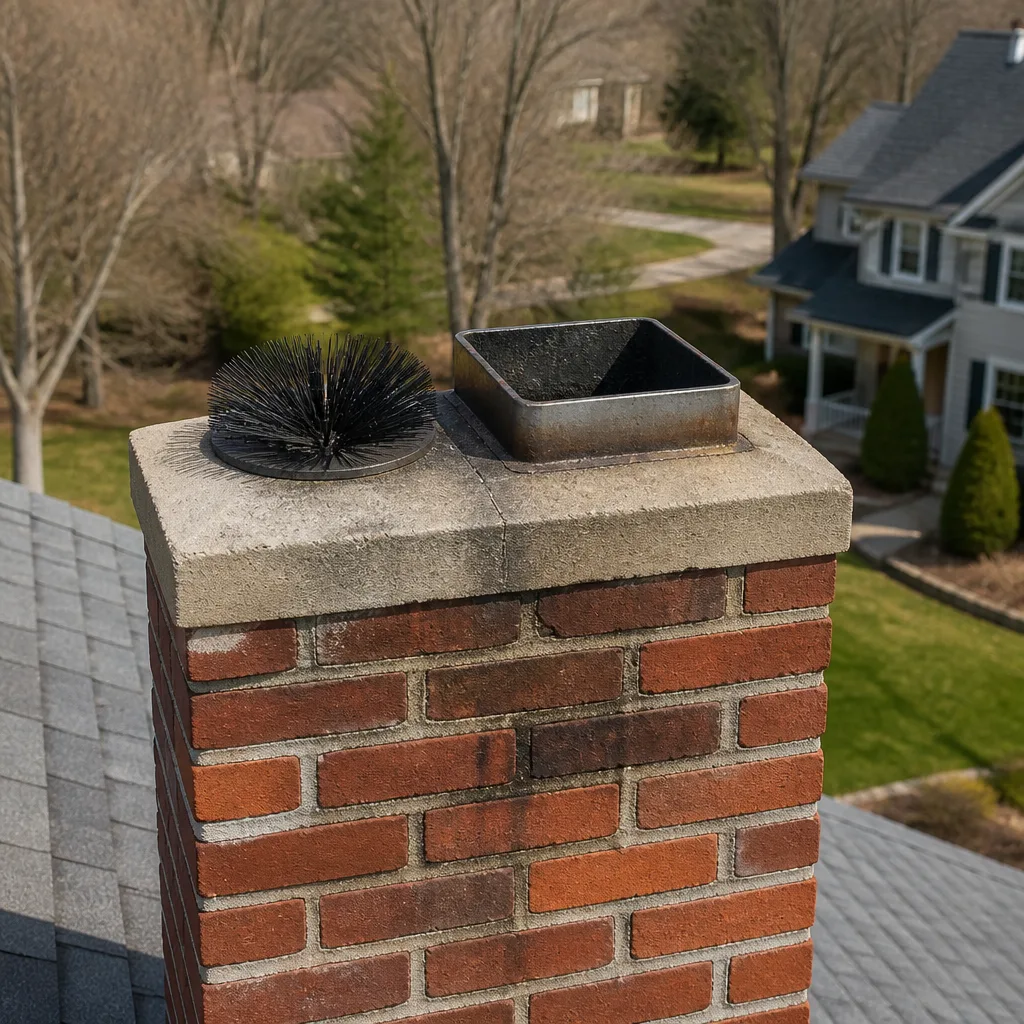 Sweep & inspection
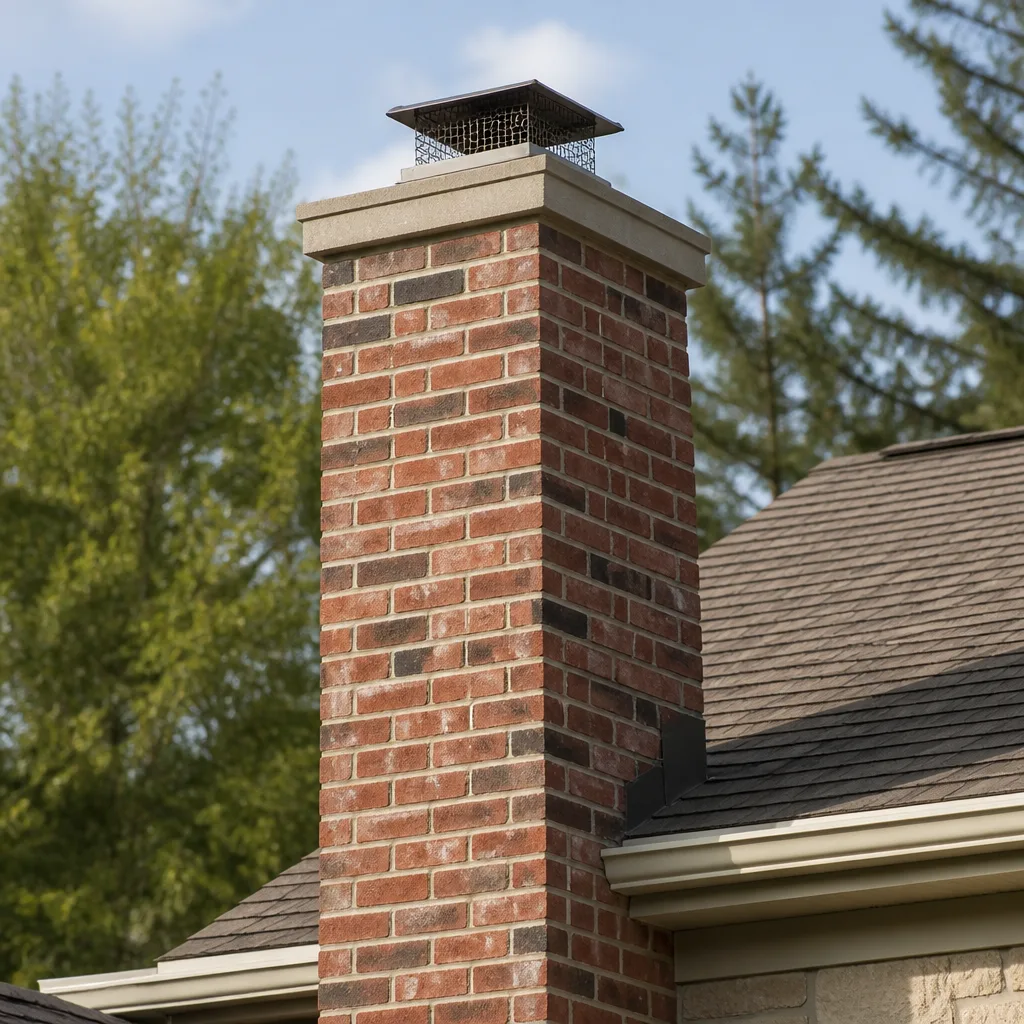 Caps & crowns
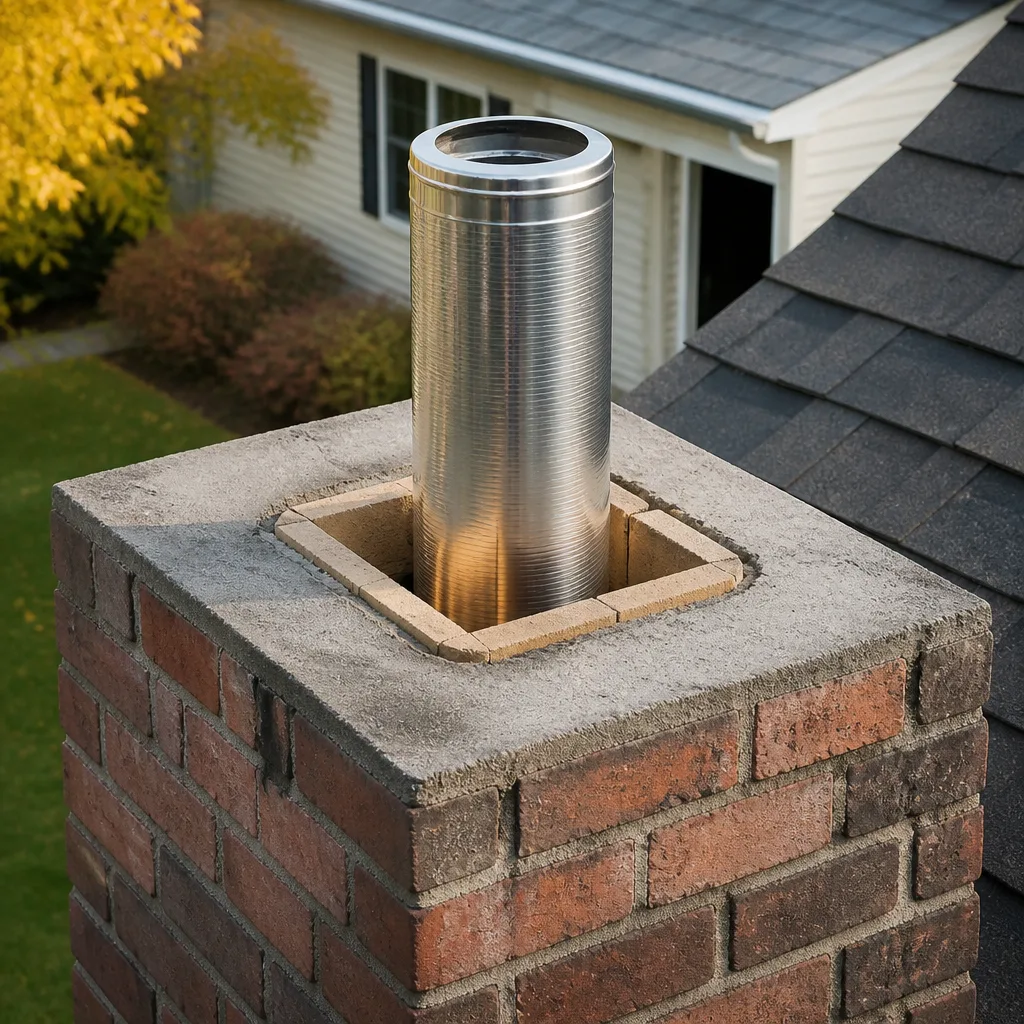 Flue relining
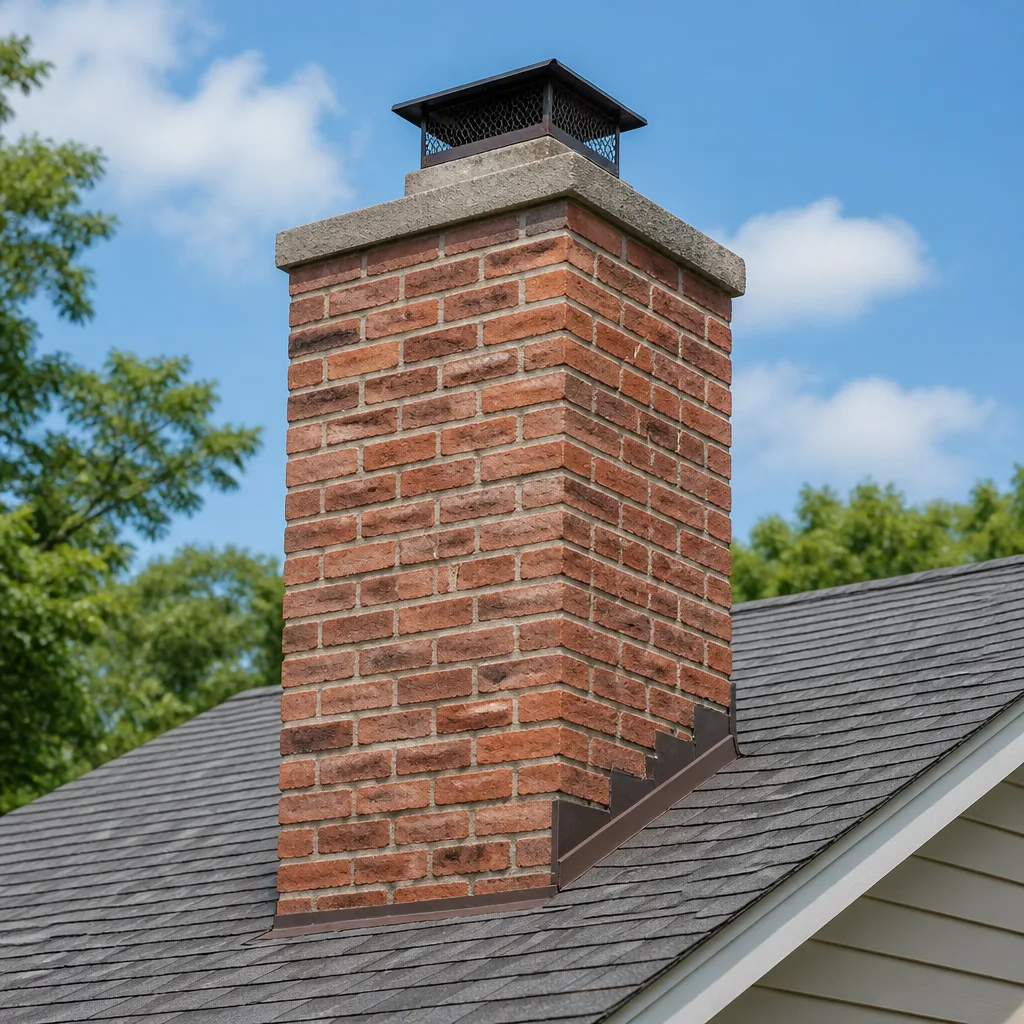 Masonry repair
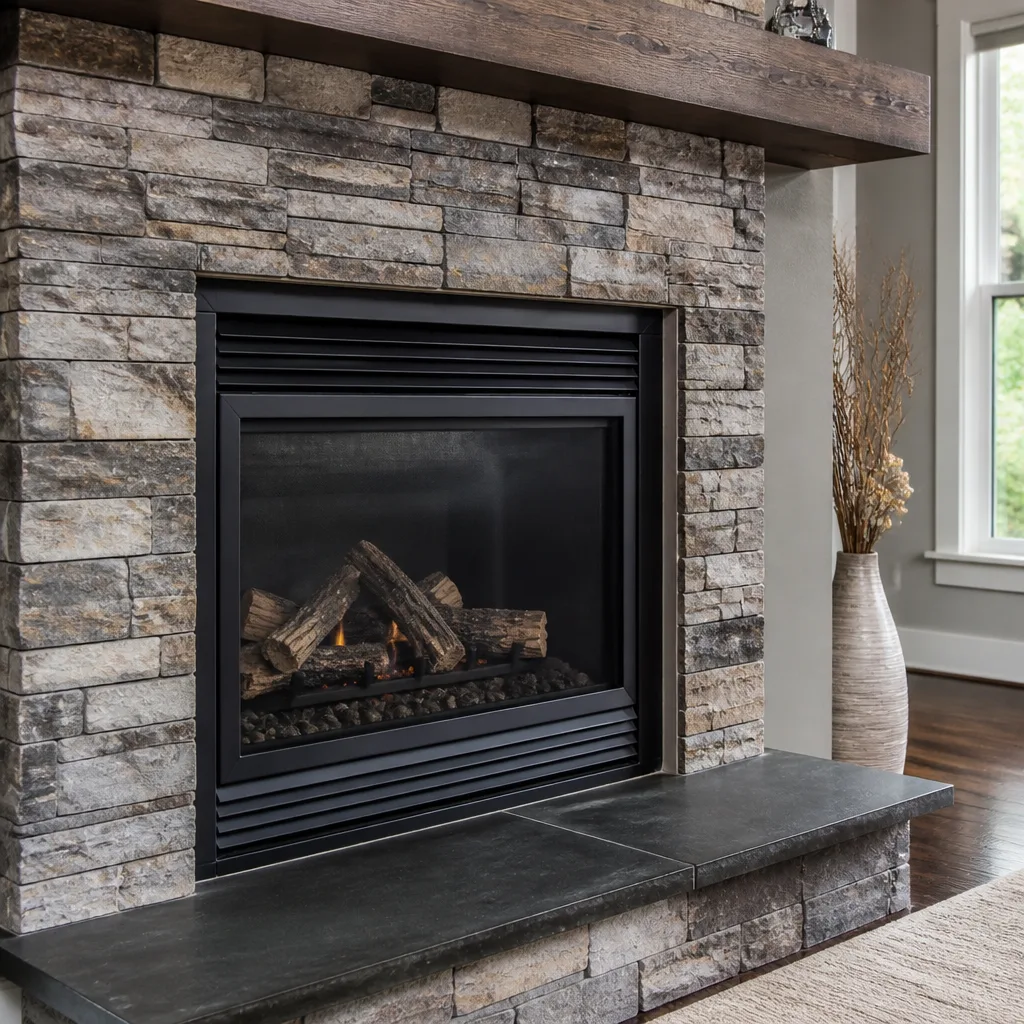 Gas fireplace service
Level 1 sweep and inspection to the NFPA 211 annual standard - flue, crown, cap, and flashing checked and photographed
Chimney sweep logs do not sweep chimneys. They loosen some creosote - which then falls where a brush and vacuum still have to collect it.
DIY vs Professional Chimney Cleaning: The Redmond Homeowner’s Decision Guide
You can buy the same brushes a sweep uses. The rods, the poly bristles, the little hand brush for the smoke shelf – it’s all on the shelf at a hardware store or a click away online. What you can’t replicate at home is the camera inspection that tells you whether the flue you just cleaned is actually safe to use. That gap between cleaning and evaluating is the whole decision. In Redmond, where a lot of housing went up before 1980 and a lot of chimneys have been quietly aging behind brick, the real finding usually lives in the part you can’t see from the firebox floor. This guide walks through what a homeowner can realistically do, where DIY stops being a sensible option, and how to use brushing as a between-visit tool without letting it replace the annual look.
Quick Answer
DIY chimney cleaning can remove light surface soot from an accessible flue, and it’s a reasonable mid-season habit between professional visits. It cannot replace a professional cleaning plus inspection, because consumer rods reach only part of the flue, don’t spin with rotary equipment, and leave you with a clean but unevaluated chimney. In Redmond’s older housing stock, especially pre-1980 tile-lined flues and insert systems, the inspection matters more than the brushing.
Styles & brands we work with
- Sweep & inspection
- Caps & crowns
- Flue relining
- Masonry repair
- Gas fireplace service
Table of Contents
- What DIY Cleaning Actually Removes – and What It Leaves
- Where DIY Cleaning Gets Genuinely Risky in Redmond
- What a Professional Sees That You Physically Cannot
- How to Use DIY Brushing as a Between-Visit Tool
- The Real Break-Even Point on DIY Equipment
- What a Professional Cleaning in Redmond Actually Involves
- Creosote Stages and Why Glaze Changes the Decision
- Inspection as Its Own Service – Especially for Buyers and Sellers
What DIY Cleaning Actually Removes – and What It Leaves
A consumer brush on flexible rods does one job well: it knocks loose, dry, powdery soot off the flue walls in the reachable section. That’s real work and it has value. What it doesn’t do is the harder half.
Professional cleaning relies on rotary equipment – a spinning head on a longer, stiffer rod line – that scrubs the flue walls under load. The difference is feelable. A hand-pushed brush glides over glazed creosote. A rotary head cuts into it. It reaches ledges, offset sections behind a smoke chamber, and the upper flue where the draft is strongest and deposits bake hardest. And it does this without a homeowner standing on a ladder at the top of a roofline.
Here’s what consumer-grade cleaning typically leaves behind:
- Glazed creosote. The shiny, tar-like layer that forms from repeatedly cool fires. A nylon brush smears it; it doesn’t remove it.
- Smoke chamber and damper ledge deposits. These sit above the firebox at an angle a straight brush from below can’t properly reach.
- Upper flue buildup. Many home brushes don’t extend tall enough to cover the top third of the run.
- The offset and elbow sections. Where flues jog around framing, brushing from the firebox skips the turn.
- Whatever the creosote was hiding. Cracked tile joints, spalled mortar, a failed liner seam – none of it visible to a brush.
In Redmond, where a lot of homes were built between the 1950s and 1990s and a fair number have had a wood stove or insert added later, that last point is the one that matters most. A brush tells you the flue feels smoother. It doesn’t tell you whether the flue is intact.
Where DIY Cleaning Gets Genuinely Risky in Redmond
Most wood-burning masonry chimneys can tolerate a careful homeowner brush between professional visits. Some cannot. The risk isn’t injury from the brush – it’s making a hidden problem worse or simply not noticing it. Here’s where we’d draw the line.
Oil-fired appliances
An oil furnace or oil water heater flue carries a different deposit than wood smoke, and that deposit behaves differently. It also sits in a system where combustion byproducts can back up into the home if the flue is blocked or damaged. Skipping the professional inspection on an oil flue isn’t a money-saving shortcut – it’s an incomplete job. If your Redmond home still runs oil for heat, that flue belongs on an annual professional schedule.
Insert systems
A wood insert connects to the flue through a collar and often a short connector pipe that offsets from the main chimney. That connector, and the transition where it enters the flue, is a common spot for creosote to collect and for seams to fail. Brushing from inside the insert does very little. Most insert systems need the appliance pulled or the flue accessed from the top. That’s professional work.
Pre-1980 tile liners
Clay tile liners from mid-century construction in Redmond have had decades of heating and cooling cycles. Mortar joints between tiles crack. Tiles spall. An insert or high-efficiency stove retrofitted onto a liner that was sized for an open fireplace pushes the liner beyond what it was designed for. Brushing a cracked tile flue can dislodge a piece, and it certainly won’t reveal the crack. A camera inspection will. If your Redmond home predates 1980 and you haven’t had the flue scoped, that’s the first call worth making.
Anything with a history you don’t know
Recently bought a Redmond house? Inherited a chimney from a previous owner? Had a fire or a chimney fire in the past that you know about but haven’t had assessed? Those are all cases where cleaning is the second step. Inspection comes first.
What a Professional Sees That You Physically Cannot
This is the heart of the matter. Cleaning and inspection are two different jobs, and the reason to hire a professional isn’t the brush. It’s the camera, the eyes, and the training to know what’s normal.
During a professional cleaning in Redmond, here’s what gets assessed that a homeowner brushing from the firebox up simply cannot reach:
- Every flue joint from the smoke chamber to the cap. Tile joints, liner seams, mortar condition – evaluated with a camera run through the full length of the flue, not just the part the brush touched.
- The smoke chamber and damper. The sloped shelf above the firebox gathers deposits at an angle and is a common site for structural damage.
- The crown and cap. From a ladder, a sweep checks whether the crown is cracked, whether the cap is intact, and whether water has been getting in. Water intrusion is what turns a small liner flaw into a full rebuild.
- The firebox. Masonry condition at the firebox is where heat damage shows first. A failing firebox is a structural concern, not a cleaning concern.
- Draft and clearance. A trained eye picks up on a flue that isn’t drafting properly, a clearance issue around a stovepipe, or a connector that isn’t sealed – things that don’t announce themselves with a visible problem.
Our practice is to show you what we find. A camera inspection produces images you look at alongside the technician, so nothing gets recommended on faith. If the flue is clean and intact, you hear that. If there’s a finding, you see it on the screen before anyone talks about what it takes to fix it. From the firebox to the flue cap, that’s the standard.
How to Use DIY Brushing as a Between-Visit Tool
Here’s the honest middle ground: brushing your own flue between professional visits is fine, as long as you’re clear that it’s a maintenance habit, not a substitute for the annual inspection. Treat it like sweeping a floor between deep cleans. Useful, not diagnostic.
A reasonable sequence for a Redmond homeowner using a consumer brush mid-season:
- Do it cold. The fireplace or stove needs to be fully out and the flue cool. Never brush near warm creosote.
- Lay down drop cloths and seal the firebox opening with plastic and tape if you can. Brushing a flue from inside the house throws fine soot into the room, and it settles everywhere.
- Work from the firebox up with the brush and rods, or from the roof down if you’re comfortable and safe on the roof. Most homeowners are not, and that’s fine – roof work on a Redmond winter day is genuine fall risk.
- Brush the reachable run only. Don’t force rods into an offset you can’t see. Don’t try to break up glazed creosote by scraping at it.
- Vacuum with a HEPA shop vac after, from the firebox floor and the smoke shelf if you can reach it.
- Note the color and volume of what came out. Heavy black flaky deposits? Glazed sheen on the brush? That’s information to bring to your next professional visit.
What this does not do is substitute for the annual inspection. A homeowner who brushes diligently every season and never has the flue scoped is exactly the homeowner who finds a cracked tile three years too late. Keep the professional visit on the calendar. Let brushing fill the gap.
The Real Break-Even Point on DIY Equipment
People ask us whether DIY chimney cleaning is worth it, and the honest answer is: it depends on what you count. If you count only the brush and rods, the price of a consumer kit is a fraction of a professional cleaning, and that math is real. If you count everything, the picture changes.
What a proper DIY setup for a masonry chimney actually involves:
- Brush and flexible rods sized to your flue dimensions – and the right size matters, since a brush too small doesn’t touch the walls and one too large jams.
- A HEPA shop vacuum capable of handling fine soot without blowing it back into the room.
- Drop cloths, plastic sheeting, and tape for containment – because brushing a flue from inside a Redmond living room without containment means a cleaning job for the cleaning job.
- A ladder and roof access if you’re going to reach the top of the flue – plus the willingness to be on a roof in wet Pacific Northwest weather.
- Respiratory protection and eye protection, non-negotiable for soot work.
- The time – a careful first attempt takes hours, and the mess cleanup takes another chunk of it.
Now add the part that doesn’t have a receipt: the findings you didn’t get. A DIY clean buys you a cleaner flue. A professional visit buys you a cleaner flue plus a camera inspection plus a written assessment. When we look at the break-even honestly, most Redmond homeowners land on professional service for the annual visit and keep a DIY brush around for the occasional mid-season touch-up. That’s the arrangement that makes the most sense.
If you’re weighing a one-time professional cleaning against the cost of setting yourself up, our chimney sweep page walks through what a full visit covers.
What a Professional Cleaning in Redmond Actually Involves
A professional cleaning is a sequence, not a single action. When we clean a chimney in Redmond, the visit follows a predictable arc:
- Setup and containment. Drop cloths, sealed firebox opening, HEPA vacuum in place. Nothing enters the room that shouldn’t.
- Cleaning from below and, if needed, from above. Rotary equipment, sized to the flue, run the full length of the system. The brush touches every reachable surface.
- Smoke chamber and damper cleaning. Hand tools and a smaller brush reach the parts a straight rod can’t.
- Firebox sweep-out. Ash and deposit removal from the firebox floor and back wall.
- Camera inspection. A full run of the flue with a camera, plus a visual of the crown, cap, and firebox. Photo report to you.
- Walk-through. We show you what we found, on screen, and talk through anything that needs attention. Nothing gets recommended without camera evidence you can look at yourself.
The inspection is the point. The cleaning is what makes the inspection meaningful. A clean flue you can’t evaluate is a flue you can’t trust, and in Redmond’s older housing stock that distinction matters more than it does in newer construction where liners and clearances were built to more recent standards.
Creosote Stages and Why Glaze Changes the Decision
Creosote builds in stages, and the stage determines whether DIY brushing is even relevant.
- Stage 1: soot and light flaky deposit. Brushes off easily. A homeowner brush handles this in the reachable run. A professional cleaning handles it everywhere.
- Stage 2: hard, crusty, flaky deposits. Brushes off with effort. A rotary head handles it. A hand brush may or may not, depending on thickness and location.
- Stage 3: glazed creosote. Shiny, tar-like, and baked onto the flue wall. A brush won’t remove it. This stage is a fire hazard and calls for specialized removal – often resurfacing with a product designed for the job, not a harder brush.
Glazed creosote is the stage where the DIY question stops being interesting. You can’t brush glaze off. You can’t see how much of it there is without a camera. And a flue full of glaze is a flue that needs professional intervention before it gets used again. Our technicians use HeatShield, a specialist flue-resurfacing system, to repair liners that have been compromised – the kind of work a consumer brush is never going to reach.
Cool, smoldering fires and unseasoned wood are what produce glaze fastest. Redmond winters encourage long, slow burns, and a damp woodpile doesn’t help. Burn dry wood, don’t choke the air down, and get the flue looked at annually.
Inspection as Its Own Service – Especially for Buyers and Sellers
Inspection doesn’t have to come attached to a cleaning. We offer it as a standalone service, and there’s a good reason: buyers and sellers of Redmond homes need an independent look at the chimney without committing to a cleaning or repair.
A standalone inspection is useful when you’re:
- Buying a Redmond house with a fireplace or wood stove you intend to use – you want to know what you’re inheriting before the sale closes, not after.
- Selling a Redmond house and want a defensible record of chimney condition going into a buyer’s inspection.
- Recently moved in and want to know what the previous owner left you. A flue that looks fine from the firebox can still have a failed liner.
- Second-guessing an earlier opinion. If you were told “everything looks fine” without an explanation or a camera, an independent assessment with images you can see is worth having.
An inspection gives you a documented picture of the system: flue integrity, crown and cap condition, firebox condition, and clear notes on anything that’s a safety concern versus anything that’s routine maintenance. That document is useful whether you clean next or not. If you need cap or crown work done after the inspection, we handle chimney cap & crown installation using purpose-built components from Gelco and Famco – not improvised covers.
Common Mistakes to Avoid
- Treating a DIY clean as an inspection. The most common mistake, and the one that matters. A brush tells you the flue feels smoother; it doesn’t tell you the tile joints are intact. If you clean it yourself, still get it inspected.
- Brushing a hot or warm flue. Wait until the fire is fully out and the flue is cold. Warm creosote reacts to brushing in ways you don’t want anywhere near a living room.
- Skipping containment. Fine soot escapes into the room and settles on everything. In a Redmond house with the windows shut for the season, that soot stays in the air longer. Plastic sheeting and a HEPA vacuum are not optional.
- Forcing rods through an offset. A brush will go where the flue goes, but forcing it into a jog you can’t see can damage tile or a liner. If it won’t pass without force, stop and get the flue scoped.
- Assuming a newer-looking firebox means a sound flue. The firebox and flue age independently. A clean firebox says nothing about tile joints higher up.
- Buying a cap at a hardware store and calling it done. A generic cover often doesn’t fit the crown properly and doesn’t vent correctly. Purpose-built chimney caps from Gelco or Famco do the job right the first time.
- Skipping the annual visit because the DIY brush is handy. The brush is a maintenance tool. The annual visit is the inspection. Don’t let one replace the other.
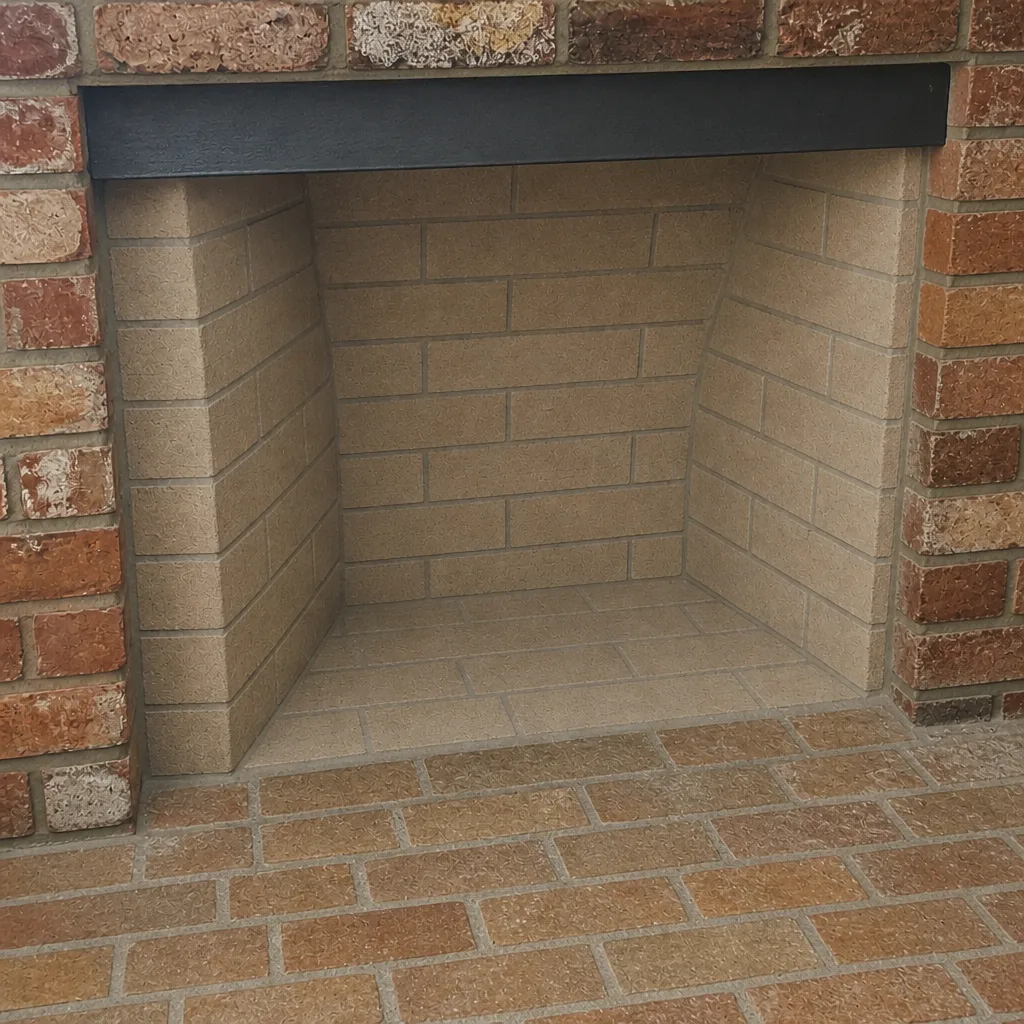
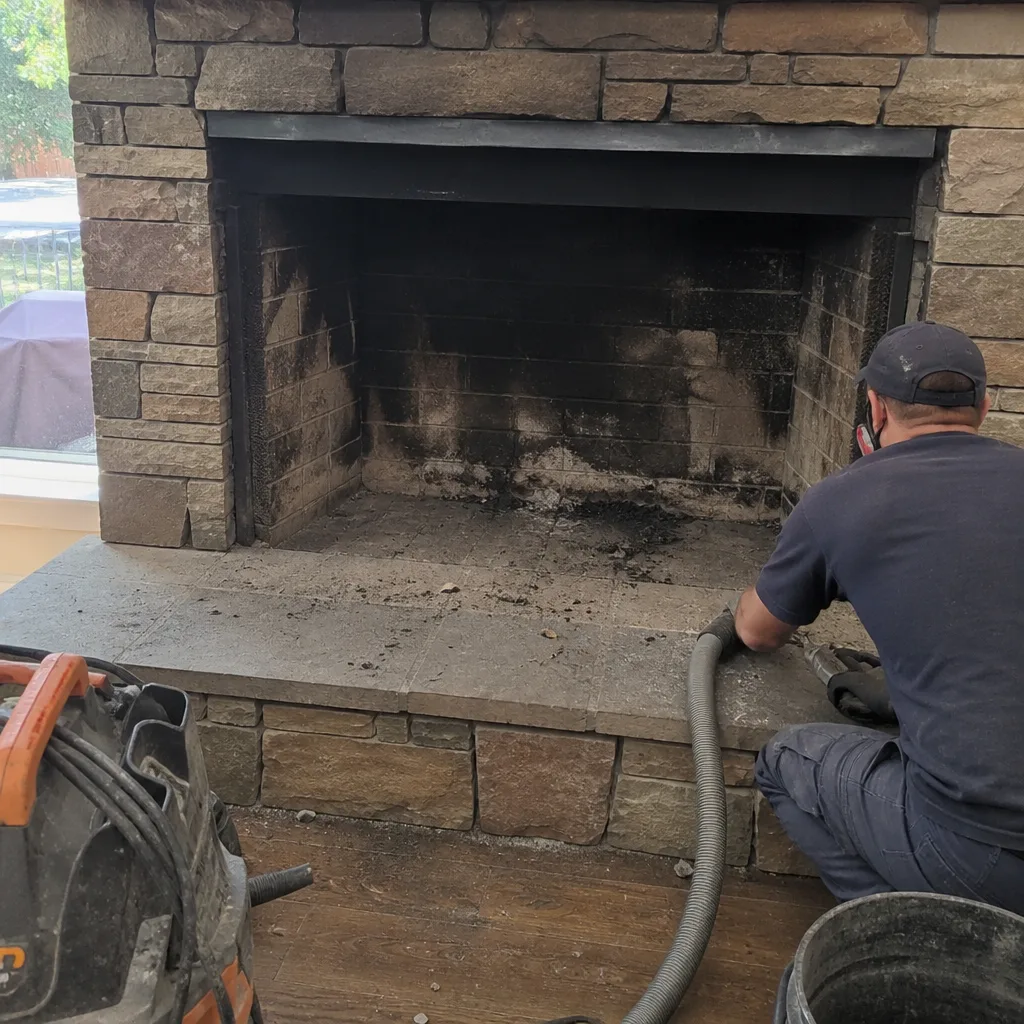
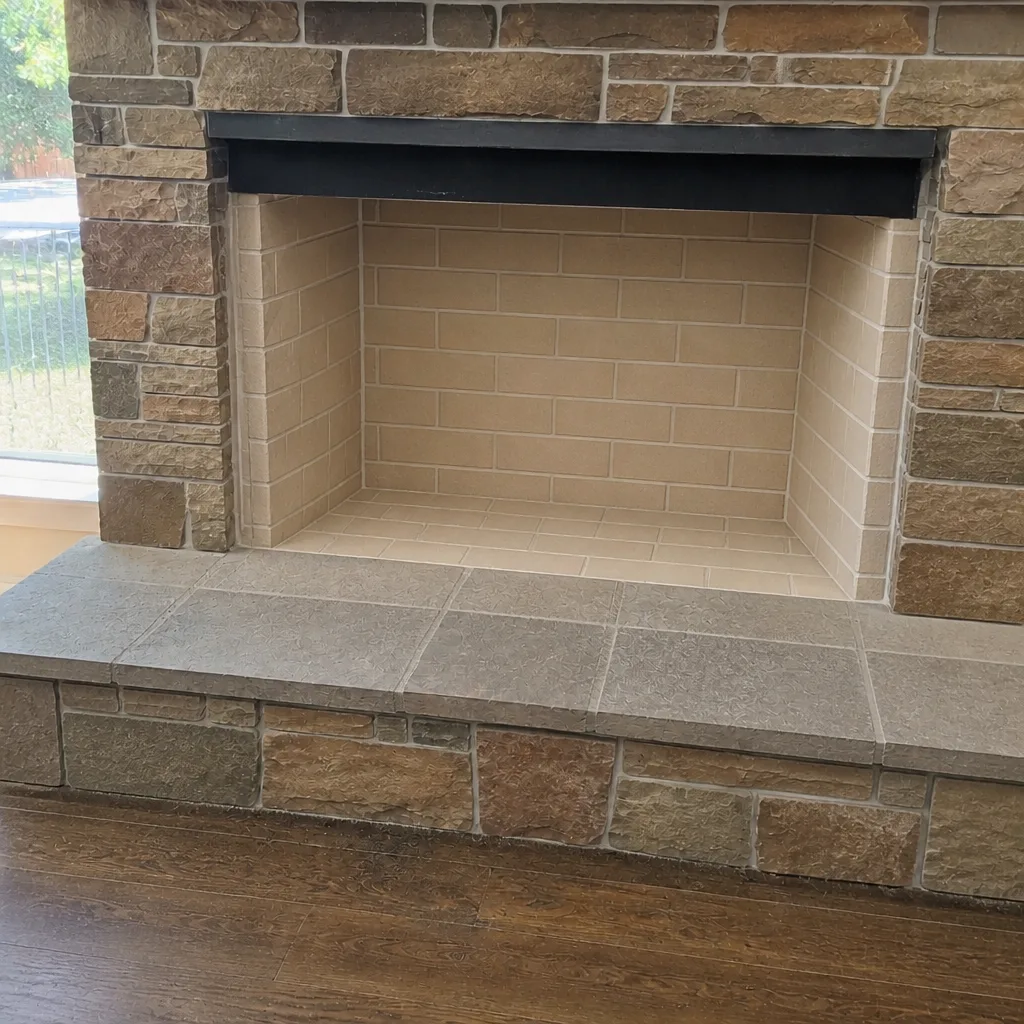
See the difference
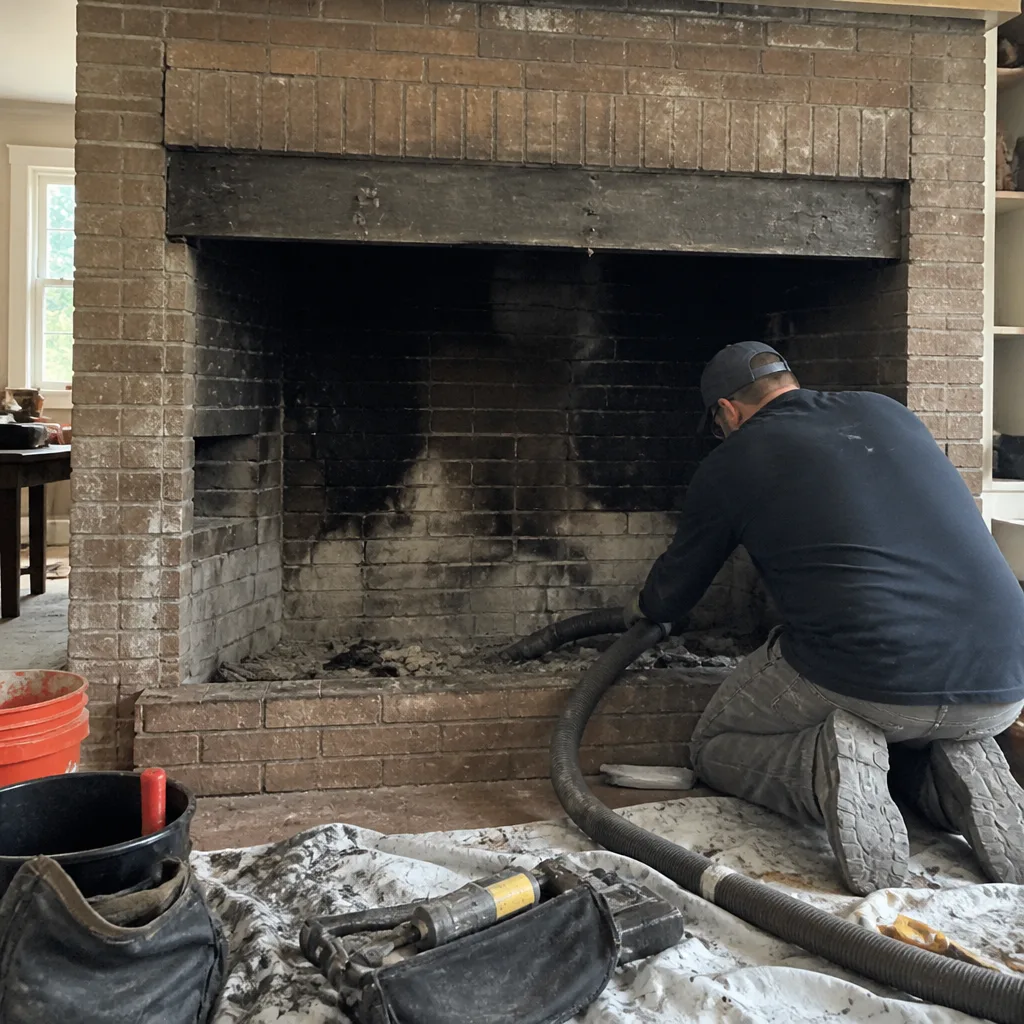 Before
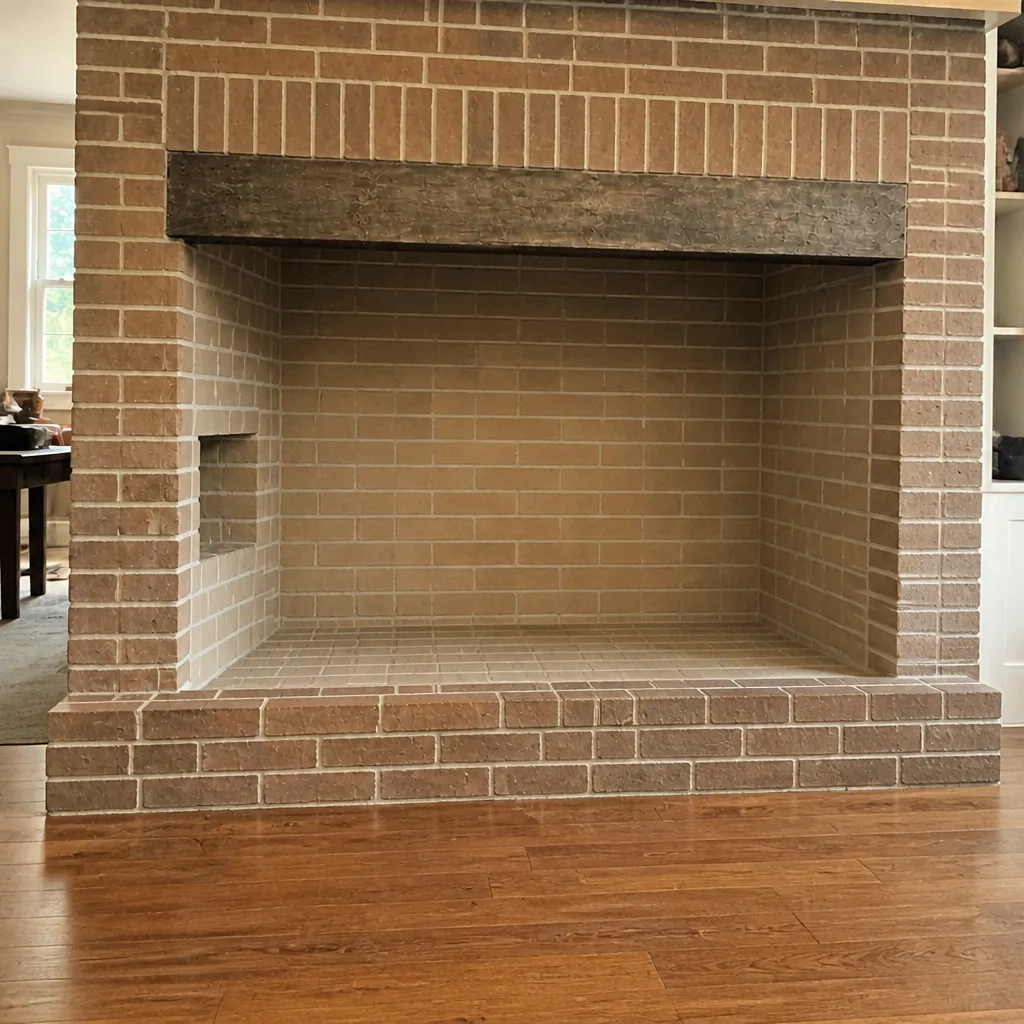 After
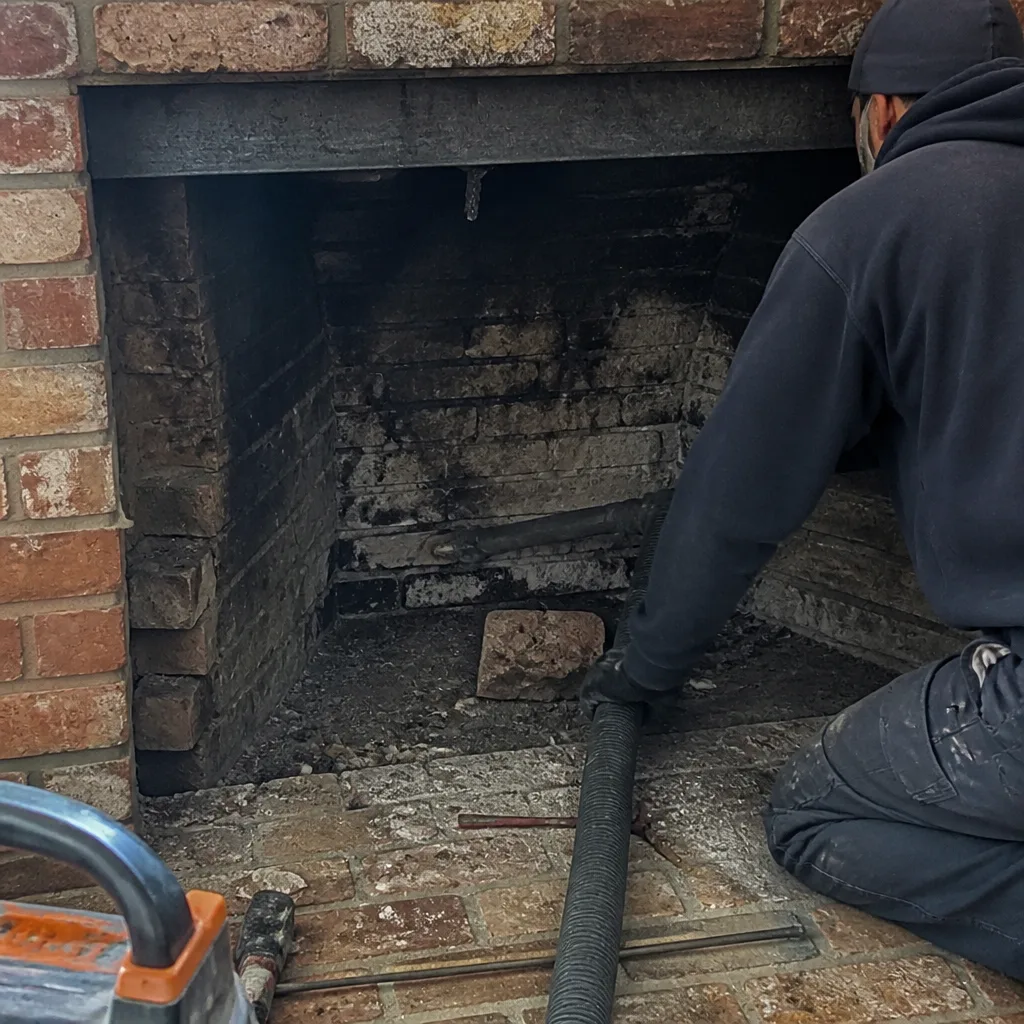 Before
 After
 Before
 After
When to Call a Professional
There are specific moments when DIY brushing stops being useful and a professional visit becomes the straightforward choice. You have an insert or a wood stove connected to a masonry flue. You have an oil-fired appliance. Your Redmond home predates 1980 and you’re not sure when the flue was last inspected. You smell smoke in the room when the fire’s going. You see cracking or spalling in the firebox or at the crown. You’re buying or selling a house. Or you’ve had a chimney fire in the past – even a small one you put out yourself – because a chimney fire leaves damage that isn’t visible from below. Chimney Sweep Redmond offers free estimates in Redmond – call (855) 550-7958. We answer 24/7. Fast dispatch from 7am to 7pm, Sunday through Friday.
Frequently Asked Questions
You can brush loose soot out of the reachable part of the flue, and that’s genuinely useful between professional visits. You cannot replicate the camera inspection that tells you whether the flue is safe, and in Redmond’s older housing stock that’s the finding that matters. Treat DIY as maintenance, not as a substitute for the annual professional cleaning and inspection.
The equipment is rotary, sized to the flue, and run under load. A consumer brush on flexible rods glides over glazed creosote; a rotary head cuts into it and reaches offset sections, smoke chamber ledges, and the upper flue. The equipment difference is real, but the bigger difference is that professional equipment comes with a trained set of eyes and a camera running the full length of the flue.
Brushing a cold, wood-burning masonry flue from the firebox is low-risk if you contain the soot and wear respiratory protection, with the caveat that roof access in Redmond weather is a real fall hazard. The riskier part is cleaning without evaluating – a flue that looks clean but has a cracked tile or failed liner is more dangerous than a dirty one you know about. Oil-fired appliances, insert systems, and pre-1980 tile liners should be left to a professional.
Once a year for the inspection, and clean whenever the deposit layer reaches a meaningful thickness – which for a regularly used fireplace in Redmond is usually annual or every other year. If you burn often, burn cool fires, or burn unseasoned wood, plan on annual cleaning. If you had a chimney fire, get it inspected before you use it again.
Nothing dramatic happens right away, and that’s the problem. The flue gets cleaner while any underlying flaw gets older. Water intrusion through a cracked crown, a spalled tile joint, or a failed liner seam doesn’t announce itself until it’s a bigger repair. A camera inspection catches those early, when repair is smaller and less expensive. Call (855) 550-7958 for a free estimate on a cleaning plus inspection.
Yes. Brushing between visits is a maintenance habit; the annual inspection is the assessment. Keep both. The brush keeps the flue manageable between visits; the inspection is what tells you whether the flue is actually sound. If your fireplace needs work beyond cleaning, we handle fireplace repair under the same roof as the sweep, so you’re not sourcing a second contractor for the firebox side of the job.
A sweep cleans the flue. An inspection evaluates its condition, ideally with a camera, and produces findings you can see. The two are related but they’re separate services, and we offer them separately as well as together – which matters for Redmond buyers and sellers who need an independent assessment without committing to cleaning. Safe drafting starts with a clean, intact flue; only one of those two jobs can be done with a brush.
The Bottom Line
The DIY chimney cleaning question isn’t about whether you can push a brush through a flue – you can. It’s about whether a cleaner flue without an inspection gives you a false sense of safety that’s worse than a dirty one you know about. In Redmond, with a lot of pre-1980 tile-lined chimneys and a fair number of retrofit inserts, the inspection is the part that has to happen. Brush between visits if you like. Get the flue scoped annually by someone with the camera, the rotary equipment, and the professional-grade materials to fix what the camera finds. Our technicians have up to 8 years of experience, and our work runs from the firebox to the flue cap. Call (855) 550-7958 for a free estimate. We answer 24/7. Fast dispatch from 7am to 7pm, Sunday through Friday.
Whether you’re booking a professional visit for the first time or adding a mid-season brushing habit between annual cleanings, Chimney Sweep Redmond is set up to handle the cleaning, the inspection, and anything the camera turns up – one visit, one team, no second contractor.
Written by the team at Chimney Sweep Redmond.