
Last updated November 25, 2026
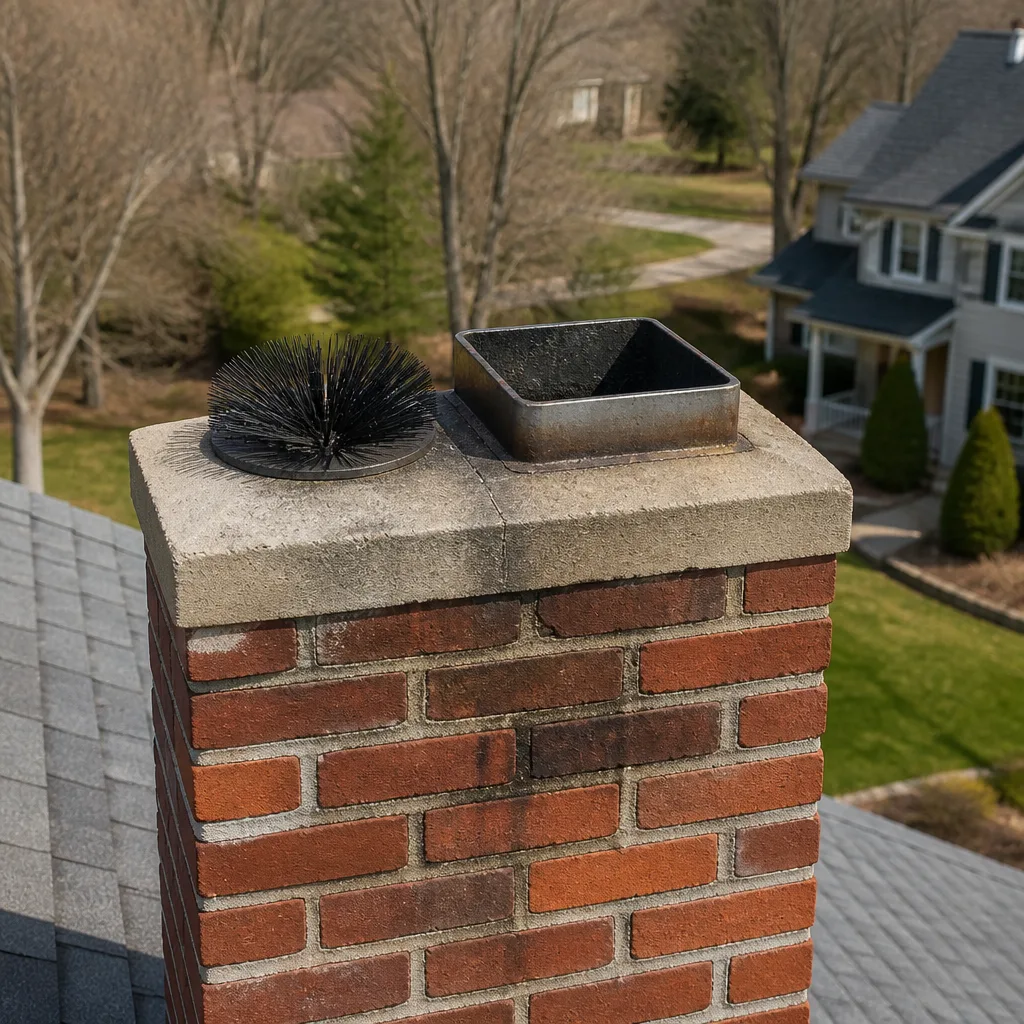 Sweep & inspection
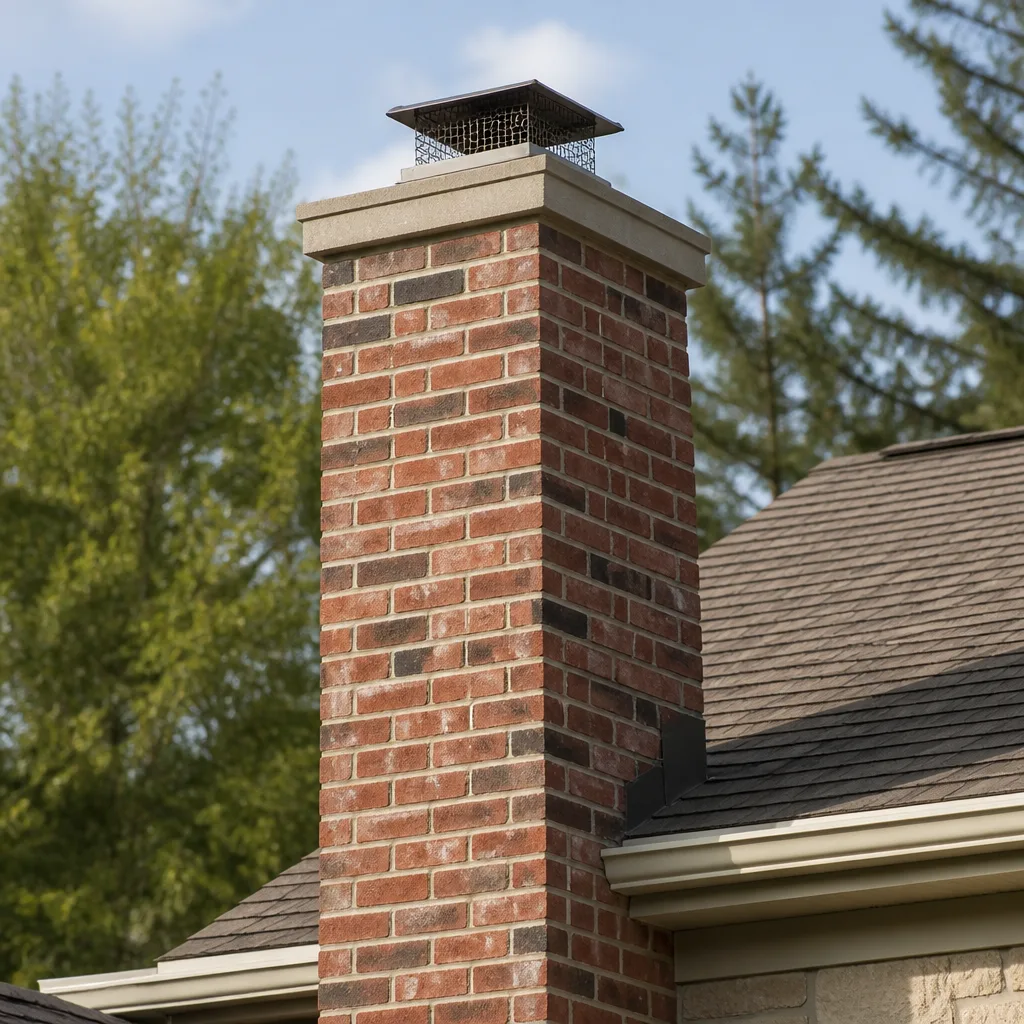 Caps & crowns
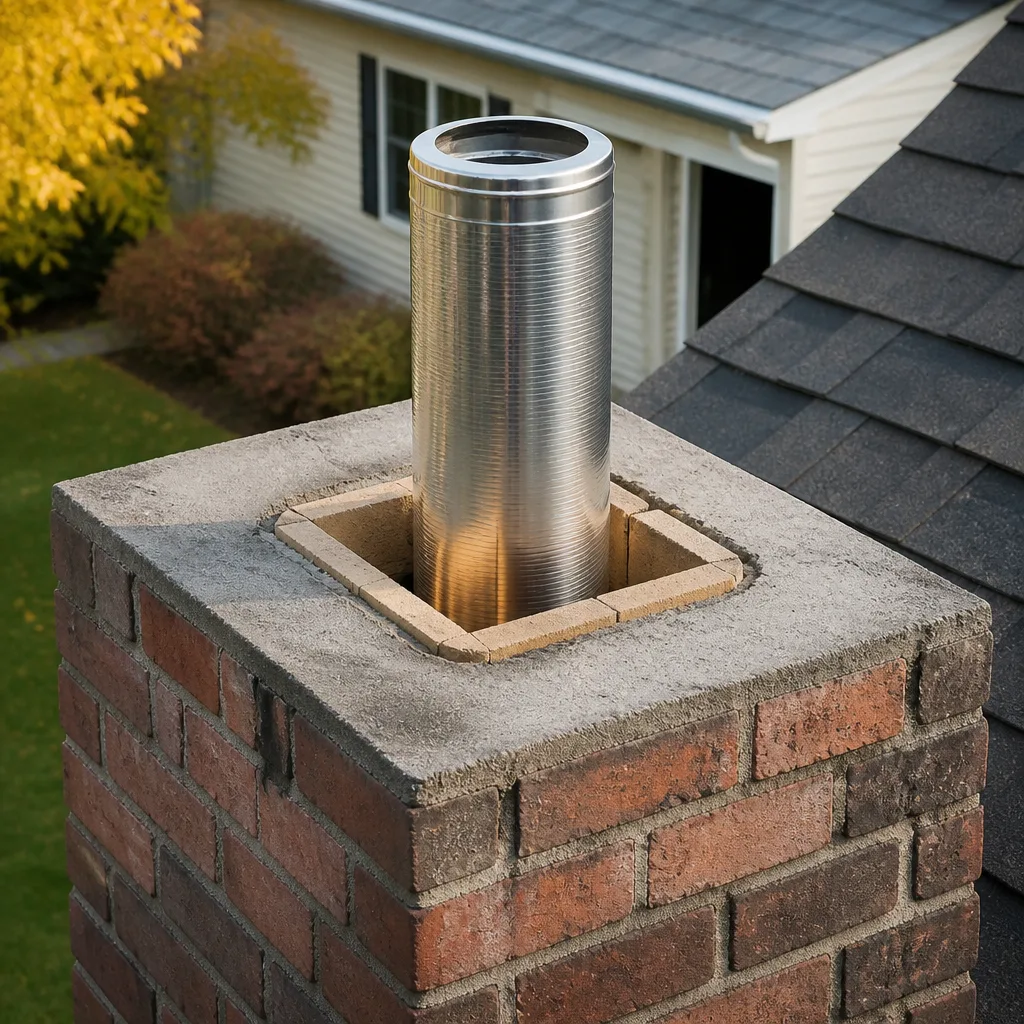 Flue relining
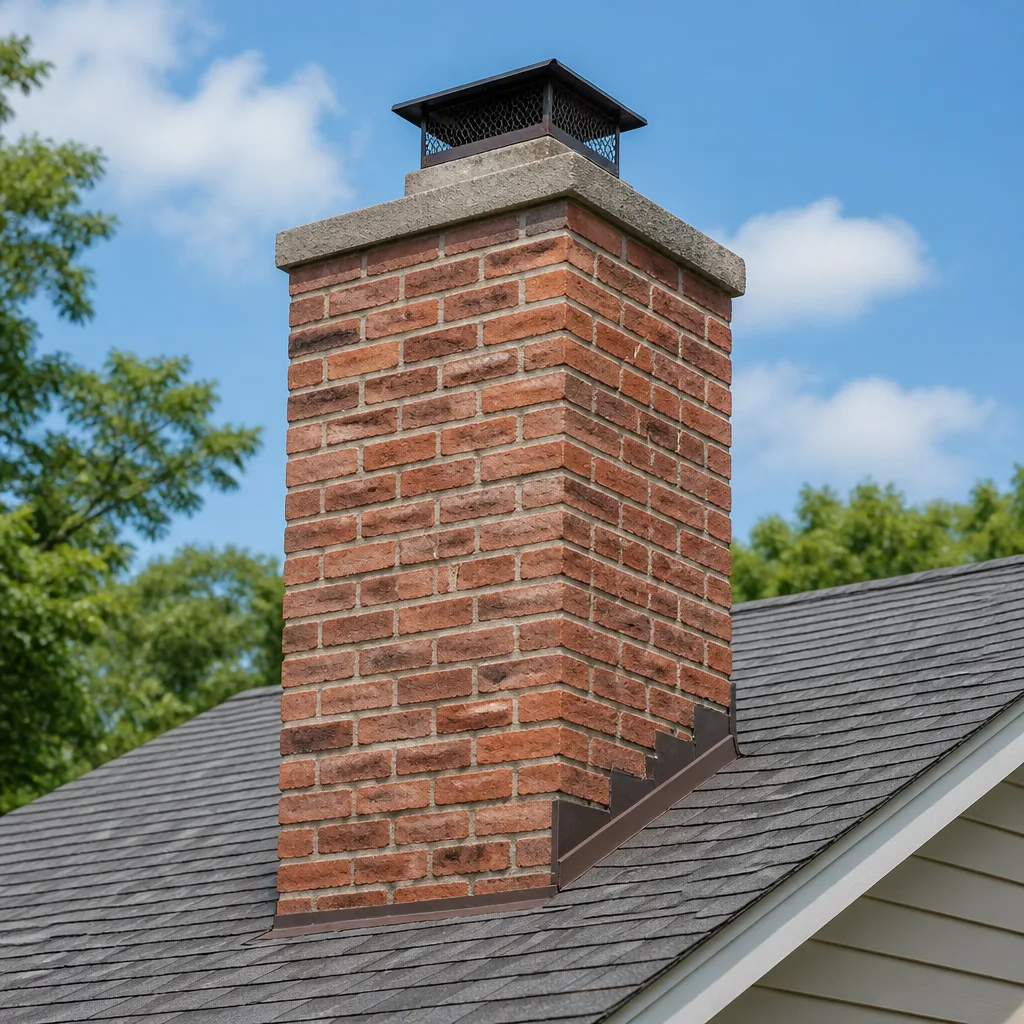 Masonry repair
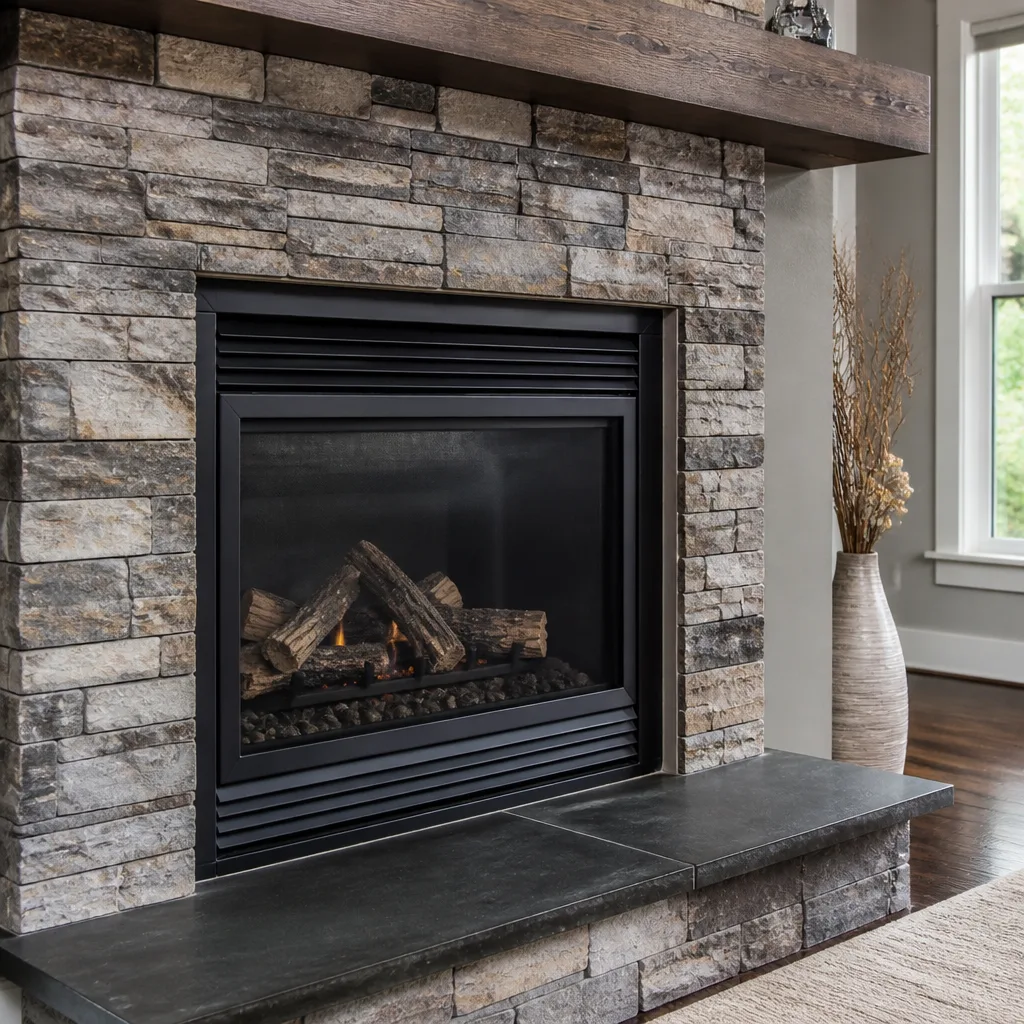 Gas fireplace service
Level 1 sweep and inspection to the NFPA 211 annual standard - flue, crown, cap, and flashing checked and photographed
Chimney sweep logs do not sweep chimneys. They loosen some creosote - which then falls where a brush and vacuum still have to collect it.
Chimney Sweep Maintenance Checklist for Redmond Homeowners
Most chimney advice you’ll read online assumes a house in a generic climate with a generic fireplace. It was written for somebody else. If your Redmond home has a wood-burning insert, a metal prefab unit, or a masonry chimney built before 1990, your maintenance timeline and your checkpoints are genuinely different from each other, and treating them the same is how small problems become expensive ones. Redmond adds its own twist: wet winters, moss that loves a shaded crown, and freeze-thaw cycles that work mortar joints loose a little more every year. This guide walks you through a checklist built around how chimneys actually fail here, what you can check yourself between visits, and where a professional’s camera and tools need to take over.
Styles & brands we work with
- Sweep & inspection
- Caps & crowns
- Flue relining
- Masonry repair
- Gas fireplace service
Quick Answer
A chimney maintenance checklist for a Redmond home should combine an annual professional sweep and inspection with a fall walk-around of the exterior (crown, cap, flashing, mortar joints), a monthly check of the firebox for water stains or efflorescence, and burn habits that keep moisture out of the system. Masonry chimneys need annual inspection; prefab and insert systems need their own manufacturer-specific checks. Sweep on usage, not on the calendar alone.
Table of Contents
- Why Redmond Chimneys Age Differently
- Masonry Fireplace Maintenance Checklist
- Prefab and Metal Chimney Maintenance Checklist
- Wood Insert and Stove Maintenance Checklist
- Reading Water Intrusion in the Firebox
- The Fall Exterior Walk-Around
- What You Can Monitor vs. What Needs a Pro
- Seasonal Burn Habits That Extend System Life
- Common Mistakes to Avoid
- When to Call a Professional
- Frequently Asked Questions
- The Bottom Line
Before any of that, one piece of foundational reading: if you haven’t had a professional chimney sweep look at the system since you moved in, that’s the first line of the checklist no matter what type of chimney you have.
Why Redmond Chimneys Age Differently
The standard “sweep it once a year” advice gets repeated everywhere because it’s easy to say and easy to remember. It also quietly assumes a dry climate, a masonry chimney, and moderate use. Redmond doesn’t hand you any of those three on a reliable basis. Our winters are wet more than they are cold, but the freezes that do come are the damaging part: water gets into a mortar joint or a hairline crown crack, the temperature drops below freezing, the water expands, and the joint opens a little wider. Repeat that over several seasons and a hairline crack becomes a real opening. Moss makes it worse. A shaded crown on the north side of a Redmond house that never quite dries out is exactly where moss takes hold, and moss holds moisture against the masonry the way a wet sponge sits on a counter.
Insides change with the weather too. A fireplace that sat dormant all summer pulls in damp air, and the firebox and smoke chamber can carry a musty smell or a fine powdery bloom on the brick by the time you light the first fire in October. None of this shows up on a generic checklist. It shows up on a Redmond checklist.
The other variable is the house. Redmond has a wide spread of housing stock, from older masonry fireplaces on established lots to newer construction with metal prefab systems and homes where a wood insert was added to an existing fireplace. Each system fails in different places, needs different inspection intervals, and needs different components checked. Treating them alike is where owners get caught out.
Masonry Fireplace Maintenance Checklist
If your chimney is built from brick and mortar, it’s the most robust system in the trade and also the one that ages most visibly. Masonry is a water-absorbing material by nature, and the whole design depends on water being directed away before it can soak in. Most masonry chimney problems in Redmond start as a water problem that later becomes a structural one.
Here’s the sequence we recommend to owners of masonry fireplaces:
- Annual sweep and inspection – book it before your first fire of the season. A Level 2 inspection (camera inside the flue) is the standard for a masonry chimney you haven’t had looked at recently, and we recommend it again whenever you’ve had a chimney fire, a change in appliance, or a property transfer.
- Monthly firebox check – look at the brick for white powdery bloom (efflorescence), dark water stains, or crumbling mortar between firebrick.
- Fall mortar joint review – check the joints between bricks on the exterior for cracks, soft spots, or mortar that can be scratched out with a fingernail.
- Crown inspection – look at the concrete cap on top of the chimney for cracks, spalling, or moss. The crown is the roof of your chimney and the first line of defense against water.
- Flashing inspection – check where the chimney meets the roof for lifted metal, cracked sealant, or missing step flashing.
- Flue tile check – the clay tiles lining the flue can crack from heat cycling. This is a camera-and-mirror job; you can’t see the full flue from the firebox.
- Chase cover check (if you have one) – on a masonry chimney with a metal chase cover over a framed chase, look for rust, pinholes, or a sagging cover.
When the flue tiles are cracked but the chimney structure is otherwise sound, HeatShield is a flue-resurfacing system we use to restore the liner surface without rebuilding the chimney. It’s a repair method many sweep-only companies can’t offer or diagnose, and it’s one of the reasons a camera inspection matters more than a visual look from the firebox.
Prefab and Metal Chimney Maintenance Checklist
A prefab metal chimney is not simply a masonry chimney in different clothing. It’s a factory-engineered system with specific clearances, specific parts, and a lifespan that depends heavily on whether the original components are still in place and intact. Redmond has a lot of prefab systems installed from the 1980s onward, and many of them are now due for closer inspection than they’ve been getting.
The checkpoints that matter most on a prefab:
- Manufacturer’s inspection interval – some prefab systems call for inspection at a set usage interval rather than once a year. Follow the manual if you have it; if you don’t, an annual inspection is a safe default and lets a sweep look for the early warning signs.
- Cap condition – a missing or damaged cap is the single fastest way for water to get into a metal flue, and on a prefab the cap is often the only thing standing between rain and the termination.
- Chase cover and storm collar – the metal plate over the chimney chase rusts through over time. A pinhole becomes a steady drip.
- Clearance to combustibles – prefab systems are built to exact clearances from framing, insulation, and roofing materials. A remodel that added insulation, blocked the ventilation gap, or changed a roof line can compromise it. Nobody notices until it’s flagged.
- Sparking and creosote in the flue – a prefab flue is usually narrower than a masonry flue, which means creosote buildup happens faster and blocks more quickly.
When we’re working on a prefab system, we use professional-grade components for anything from the flue up: DuraFlex flexible liner systems, Famco and Gelco caps and crowns, and Copperfield and Olympia Chimney supply. Those matter for fit and for lifespan. A prefab system with a mismatched hardware-store cap works right up until the first wet season.
Wood Insert and Stove Maintenance Checklist
Wood inserts and freestanding stoves are a different system again, and they need attention to parts the owner rarely sees. An insert is a stove body installed inside an existing fireplace, usually with its own stainless steel liner running up the chimney. That liner is where most of the checking happens after installation.
- Liner inspection – a stainless liner can develop cracks, joint separations, or damage at the top termination. This is not a DIY check; it needs a camera.
- Top plate and cap – the cap at the top of the liner is the water-and-animal barrier. On a windy Redmond roof, it takes a beating.
- Gasket condition – the door gasket on a stove or insert should feel soft and seal without a gap. A hardened gasket lets air in where it shouldn’t, which affects burn quality and creosote production.
- Baffle, firebricks, and secondary burn tubes – look for cracks, warping, or missing pieces inside the firebox. These parts shape how the fire burns and how clean the exhaust is.
- Flue collar connection – check that the pipe connecting the stove to the liner is sealed and screwed in place, not just pushed into position.
- Annual sweep and inspection – a stove or insert burns smokier than an open fireplace when the operator is inexperienced, so sweep based on actual usage rather than a fixed calendar interval.
Inserts tend to run with tighter clearances and hotter exhaust gas temperatures than an open fireplace. That makes every component in the exhaust path more important. If you use a HeatShield or DuraFlex component as part of the liner solution, that’s because it’s the right material for the job, not because it’s an upgrade to upsell.
Reading Water Intrusion in the Firebox
Water finds its way down a chimney in three predictable ways, and each shows up in a slightly different place. If you know what to look for, you can catch the problem a season before it turns into masonry work.
Powdery white bloom on brick. That’s efflorescence, and it’s a sign that moisture is moving through the brick and evaporating out. It’s not the same as a chip in the firebrick; the surface looks dusty or chalky rather than broken. Efflorescence usually means water is getting in somewhere above, often at the crown, the flashing, or a cracked flue tile.
Dark staining or a rust line. A brownish line running down the inside of the firebox, or dark staining on the brick near the top, points to active water entry. On a metal prefab, look for rust streaks below the cap or around the storm collar.
Damp smell or a bloom of mold inside the firebox. This is often the first sign in a Redmond home because the firebox is closed up all summer. If the firebox smells like a basement when you open it in October, water is getting in somewhere.
What water does from there depends on the system. On a masonry chimney with a degraded crown, water gets into the masonry, works through freeze-thaw, and starts cycling mortar loose. It erodes the flue tile joints. It gets behind the flashing at the roof line and shows up as a ceiling stain in the room below, well before you see anything in the firebox. On a prefab chimney, water usually enters at the chase cover and rusts the top of the flue. Catching it early is the difference between a cap replacement and a flue repair.
If you see any of these signs, that’s not a maintenance checklist item; that’s a call for a camera inspection.
The Fall Exterior Walk-Around
A standing-seam roof isn’t the place to test your balance, and neither is a mossy chimney top. Take a pair of binoculars and do your fall walk-around from the ground. You can see a surprising amount from there, and it’s the safest way to catch the exterior problems before winter.
What to look for, in order of importance:
- The crown (the concrete top of a masonry chimney). Look for cracks, chips, spalling, or moss growing on the flat surface. Any of those mean water is getting in. A properly installed crown from Gelco or Famco is built for this exact job.
- The cap (the hood over the flue opening). Is it in place? Is it attached? Is the mesh (spark arrestor) intact, or is it sagging or missing? A broken cap lets water and animals into the flue, and in our experience it’s the number-one exterior issue we find on Redmond homes in the fall.
- The flashing (where the chimney meets the roof). Look for lifted step flashing, cracked sealant at the roof-to-chimney seam, or a gap between the counter-flashing and the masonry. The flashing is often where a leak starts, and it’s under a foot of moss or leaves before anyone notices.
- The mortar joints. From the ground, look for joints that look recessed, cracked, or crumbling. Horizontal joints on the chimney face are the most exposed, and they see the most freeze-thaw cycling.
- The brick field. Look for spalling brick (faces that have popped off) or brick that’s changed color, which can signal water retention in a wall section.
- The chase cover if you have one. Rust streaks on a metal chimney chase mean water is already getting through the cover or the storm collar.
If any of those look wrong, that’s a professional’s job to check, not a job for a ladder. Roof and chimney-top work is genuinely dangerous, and this is where most of our calls start.
What You Can Monitor vs. What Needs a Pro
The line between “safe homeowner check” and “call a pro” is not as blurry as some guides make it sound. Here’s the break.
Safe for a homeowner to do between visits:
- Look inside the firebox monthly for efflorescence, dark staining, or a damp smell.
- Check the cap, crown, flashing, and mortar joints from the ground with binoculars each fall.
- Note the date and rough hours of your last few fires, so you and your sweep can talk about usage rather than guess.
- Smell the firebox at the start of the season (a basement smell means water entry).
- Look at the burn itself: does smoke roll into the room on lighting, does the fire struggle to draw? That’s information a sweep needs at your next visit.
Needs a professional’s tools and camera:
- Looking inside the flue. You can’t see the flue tiles or the liner from the firebox; you need a camera.
- Assessing creosote depth and type (there are three stages, only one of which is easily removed and one of which is not safely removable by any residential tool).
- Inspecting a prefab system’s clearance-to-combustibles or the liner connection at the top.
- Repairing anything at the roof or crown level.
- Reading a HeatShield job or a DuraFlex reline assessment. These require the camera to make a call, and skipping that step means working blind.
If you’re not sure which side of the line you’re on, that’s a phone call, not a judgement call.
Seasonal Burn Habits That Extend System Life
Most chimney maintenance happens between fires, not during them. The habits below are what we’d tell a first-time fireplace owner in Redmond and what we remind seasoned users of before the season starts.
- Cure the firebox slowly after summer. The brick in the firebox absorbs moisture through the summer, and it should dry out slowly. A few small, patient fires over the first week is easier on the brick and tile than a blazing inaugural fire. Watch for smoke rolling into the room during this period; that’s your early warning of a drafting problem.
- Burn dry wood. Wet or green wood produces more creosote and less heat. A moisture meter on your split wood is cheap insurance. Aim for well-seasoned wood burned cleanly rather than a smoky, smoldering fire.
- Don’t run the fire starved for air. A low, smoldering fire creates more creosote than a clean hot fire. It’s counterintuitive, but the fire that looks “efficient” because it’s quiet can be the one coating your flue.
- Keep the cap intact. Burning habits don’t protect the flue from water; only a good cap and crown do.
- Don’t store wood tight against the chimney. A woodpile against the chimney base traps moisture and, on the exterior, can feed pests.
- Book your sweep before the season, not during it. A chimney sweep in Redmond books up quickly into late fall and early winter, and doing the inspection in September means you have time to fix what’s found before you’re relying on the fireplace for warmth.
Common Mistakes to Avoid
- Treating prefab and masonry the same way. They age differently, inspect differently, and fail in different places. A generic checklist misses the components that matter for the system you actually have.
- Skipping the crown because the cap looks fine. The cap protects the flue opening. The crown protects the whole chimney top. Redmond moss loves a crack in a crown, and a crown repair is far cheaper than a re-built top.
- Ignoring a small water stain in the firebox. That stain is information. Chasing it early means a cap or crown repair instead of masonry work, and it’s the single most useful signal a Redmond homeowner has.
- Assuming a sweep-only company will catch a liner problem. Not every sweep has a camera or offers HeatShield or a full liner assessment. If the inspection is visual only, ask what the inspection covers.
- Burning wet or unseasoned wood to save on the wood bill. It costs less at the split, and it costs more in the flue. Creosote removal is not cheap, and a flue fire is the outcome nobody wants.
- Skipping the exterior walk-around because it’s a chore. It takes three minutes with binoculars in the fall and it’s the highest-value three minutes on this checklist.
- Not sweeping an insert because the fire “seems to burn fine.” A stove or insert with a partially blocked flue still lights and burns. It just doesn’t burn safely. Usage, not the calendar, should drive sweep scheduling.
When to Call a Professional
Call a professional if you see any of the following in Redmond: active water staining in the firebox, rust on a metal prefab, a missing or damaged cap, cracked flue tiles, a chimney fire you’ve had at any point, a change of appliance (a new insert, a new stove, or a new wood-burning system), a property transfer where you need an independent assessment, or a seasonal smell you can’t trace. Also call if it’s been more than a year since your last sweep and inspection on a masonry system, or if the last inspection was a visual look with no camera. Pre-purchase and pre-sale chimney inspections are worth having as a standalone service; you get a written report of what’s actually there, without necessarily buying a sweep or a repair.
While we’re on dangerous components: a chimney flue and the top-of-chimney components are not DIY territory. Any work above head height, any work involving a hot flue, and any work on a metal chimney whose clearances to combustibles you’re not sure of, needs a trained professional with the right tools and insurance. We’d rather tell you how to see the problem than how to climb a wet roof in November.
Chimney Sweep Redmond offers free estimates in Redmond – call (855) 550-7958. We show you what we find on camera before we recommend any repair. We answer 24/7. Fast dispatch from 7am to 7pm, Sunday through Friday.
Frequently Asked Questions
Sweep based on usage, not just the calendar. A wood-burning fireplace used regularly should be swept and inspected annually; a stove or insert that sees heavy use may need sweeping more often, and a rarely used fireplace can go longer between sweeps but should still get an annual inspection. Season and moisture in Redmond wood-burning setups affect creosote buildup, so an annual inspection is the safest rule of thumb. Call (855) 550-7958 for a free estimate and a camera inspection you can see for yourself.
A damp smell in the firebox is usually a sign that water is getting in somewhere above – most often the crown, the cap, or the flashing at the roof line – or that brick is holding summer moisture. It’s more common in Redmond because of the wet fall and winter, and it’s worth a camera inspection before the season starts. Call (855) 550-7958 with what you’re noticing.
Yes, because you can’t see the flue tiles or the liner from inside the firebox. A visual look from the firebox catches some problems, but a cracked flue tile, a separated liner joint, or staged creosote is only visible on camera. If your last inspection didn’t include a camera, ask for one. Call (855) 550-7958 to book one.
A masonry fireplace mostly needs a swept, inspected flue and a sound crown and cap. A wood insert adds a stainless liner, a top plate and cap, a door gasket, and internal firebox components with their own wear items. The insert also runs hotter exhaust, so every part in the exhaust path is doing more work. Call (855) 550-7958 for a free estimate that covers the whole system.
Look for rust streaks on the metal chase below the cover, damp staining inside the top of the flue, or a cover that looks warped, pitted, or sagging. On a prefab, a failing chase cover is one of the fastest paths to a rusted flue. That’s a professional check. Call (855) 550-7958 for an inspection.
Sometimes yes, and we’ll say so. A sound chimney with a slightly discolored crown can often wait, and if a repair isn’t urgent we tell you. What shouldn’t wait is any active water entry, a cracked flue tile, or a compromised liner, because those get worse, not better, through a Redmond winter. You’ll always see the camera evidence before we recommend anything. Call (855) 550-7958 to book.
The Bottom Line
A Redmond chimney needs a checklist built around how it actually ages: water intrusion at the crown, cap, and flashing, moss on shaded masonry, freeze-thaw working mortar joints, and the extra water risk a prefab chase cover carries. The spring and fall walk-around plus a monthly firebox check catch the early signs; a professional sweep and camera inspection catch the rest. Burn dry wood, cure the firebox after summer, and treat the chimney cap as a cheap fix worth doing before it becomes a repair bill. That’s the whole checklist. For any of it, whether it’s a chimney cap & crown job or an insert fireplace repair, call (855) 550-7958 for a free estimate, and we’ll show you what’s going on.
Written by the team at Chimney Sweep Redmond.
See the difference
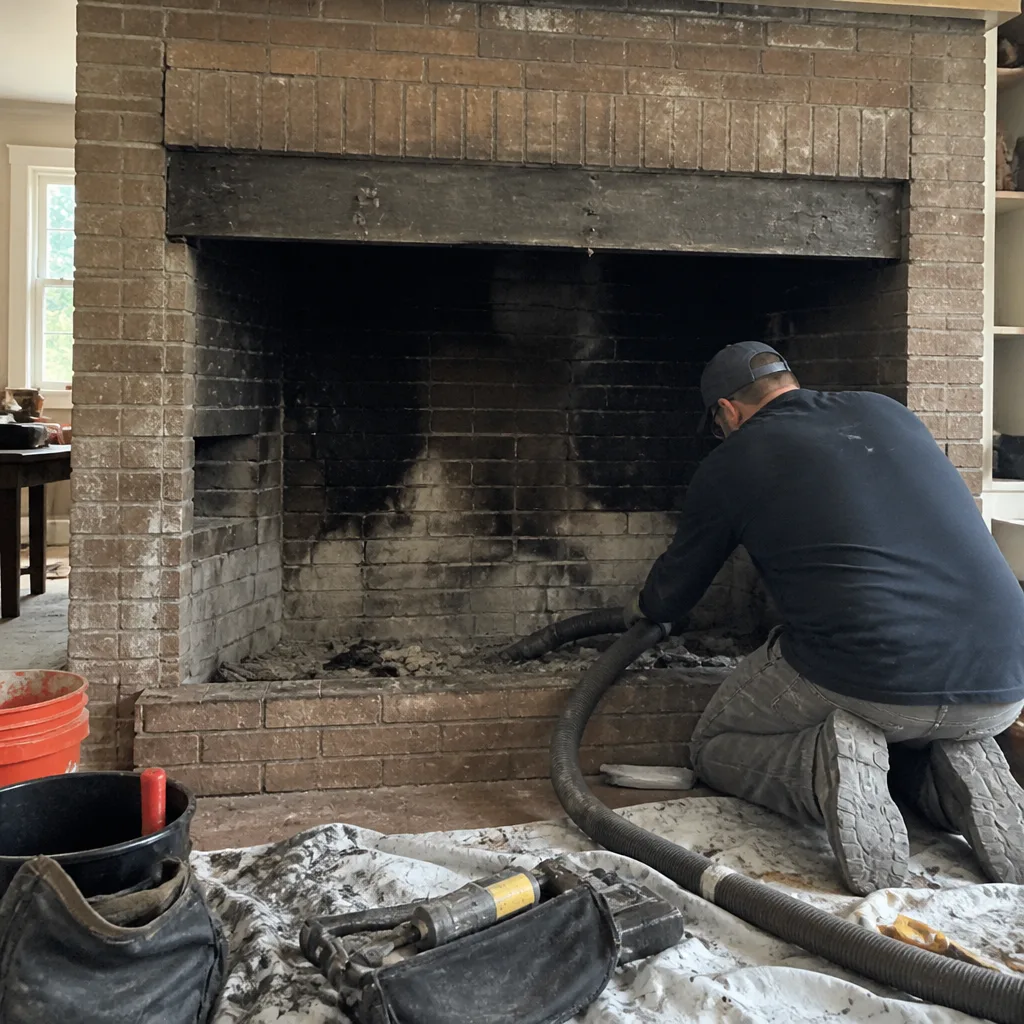 Before
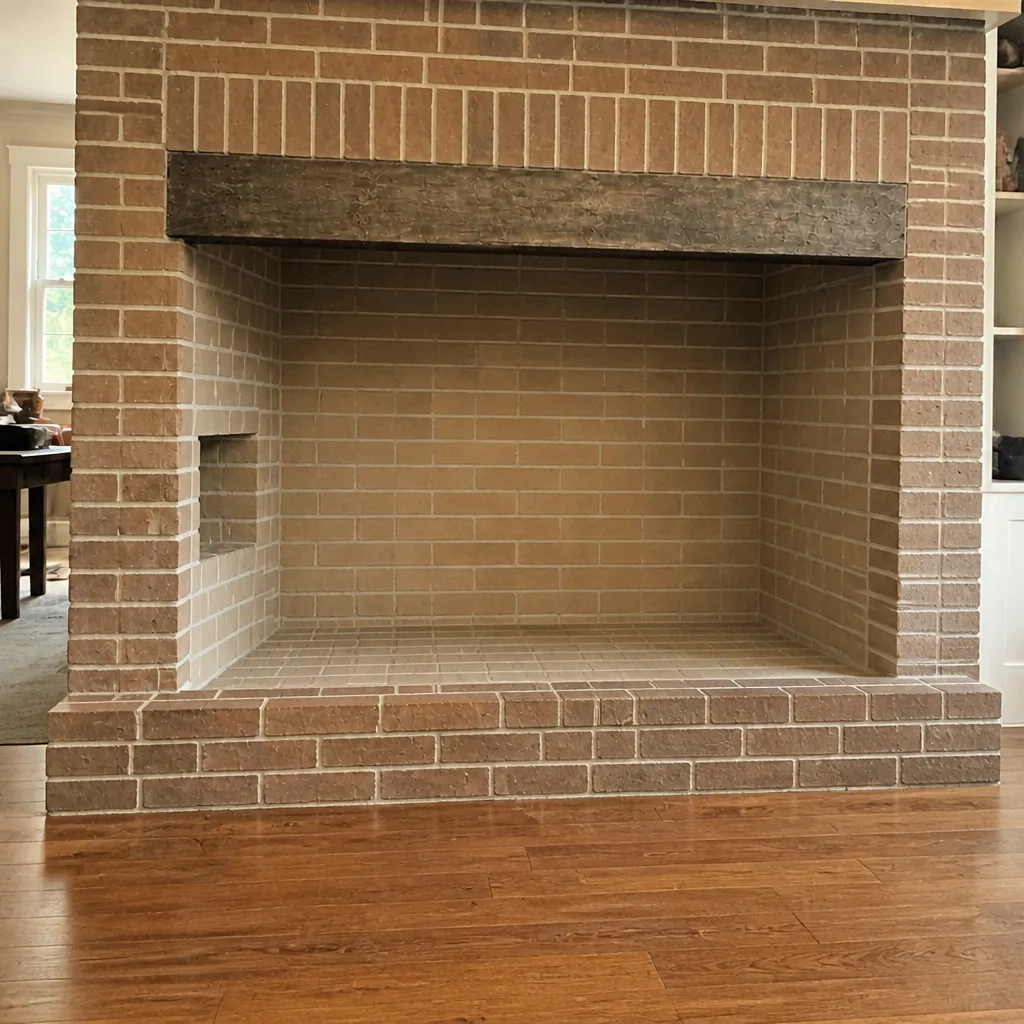 After
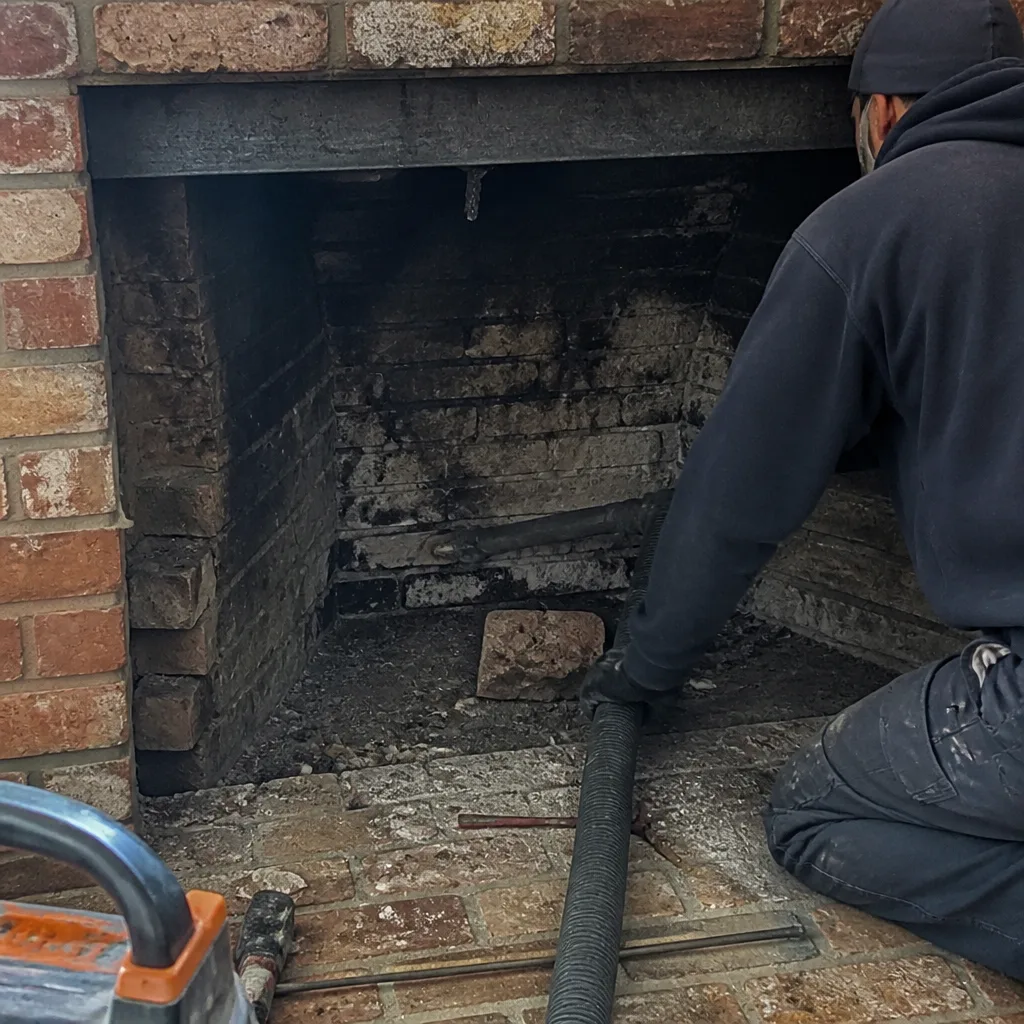 Before
 After
 Before
 After