
Last updated November 25, 2026
 Sweep & inspection
 Caps & crowns
 Flue relining
 Masonry repair
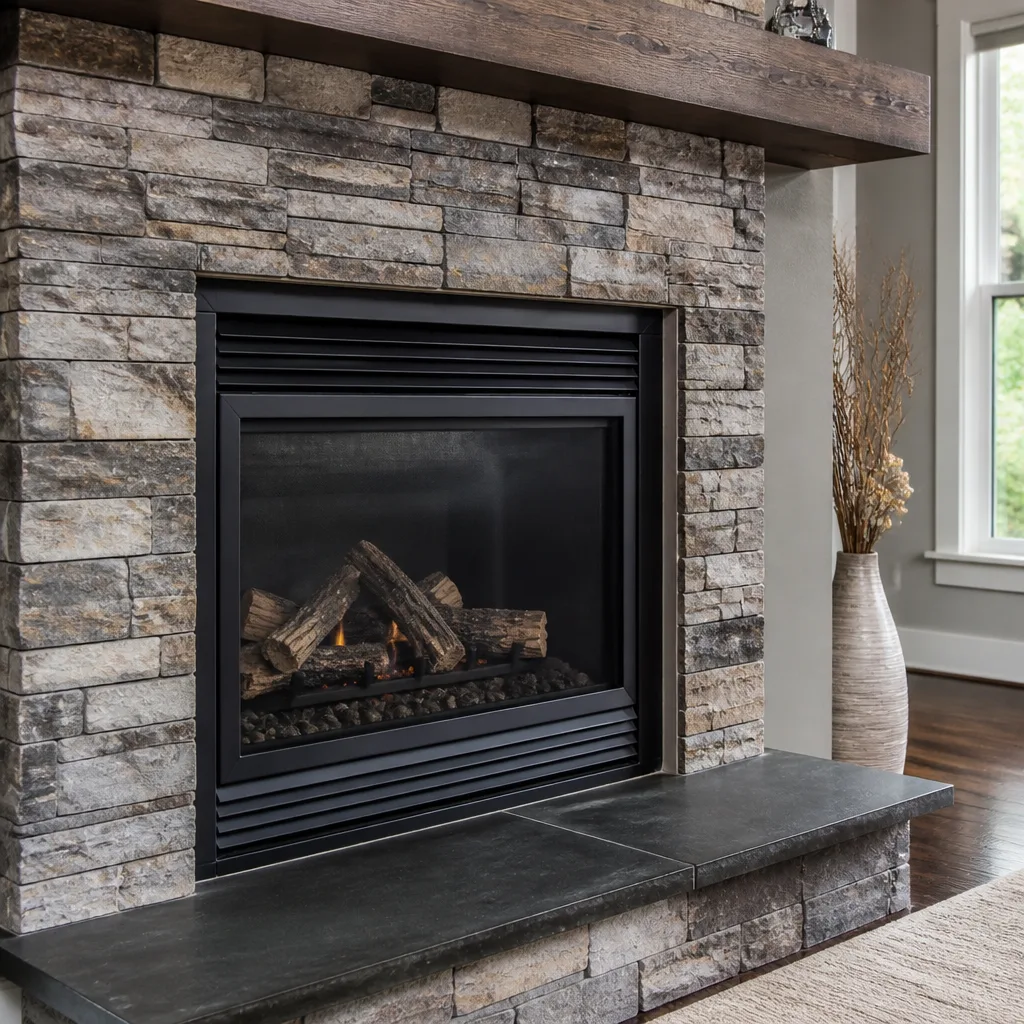 Gas fireplace service
Level 1 sweep and inspection to the NFPA 211 annual standard - flue, crown, cap, and flashing checked and photographed
Chimney sweep logs do not sweep chimneys. They loosen some creosote - which then falls where a brush and vacuum still have to collect it.
Seasonal Chimney Cleaning Care for Redmond: Year-Round Homeowner’s Guide
The busiest repair season for chimneys in Redmond isn’t winter. It’s late October, when homeowners light a fireplace that sat dormant through a wet Northwest summer and discover what eight months of inattention actually cost them. The chimney calendar here doesn’t start in October. It starts in July, when the conditions behind the most expensive fall repairs are already in motion: moisture cycling through the masonry, animals moving into an open flue, and an inspection that never happened after the last burn season. This guide walks through the full year for a Redmond chimney, season by season, so you know what to check, what to schedule, and what can safely wait.
Quick Answer
In Redmond, the best window to schedule chimney cleaning and inspection is late spring through early summer, right after the burn season ends and well before the October rush. Cleaning then removes corrosive creosote before the wet season, and an inspection catches moisture damage, animal entry, and cracked crowns while there’s still dry weather to fix them. A second look mid-season is worth it for households burning more than three cords a year.
Styles & brands we work with
- Sweep & inspection
- Caps & crowns
- Flue relining
- Masonry repair
- Gas fireplace service
Table of Contents
- Why the Redmond Chimney Calendar Starts in Summer
- What Happens Inside a Chimney During Redmond’s Wet, Non-Burn Months
- The Best Pre-Season Window to Book Chimney Service in Redmond
- Spring Post-Season Tasks That Prevent Summer Moisture Damage
- Managing a Wood-Burning System During Puget Sound Burn Bans
- Why a Mid-Season Check Matters for Heavy Burners
- How Often Should a Redmond Chimney Be Cleaned?
- What Chimney Care Typically Costs in Redmond
Why the Redmond Chimney Calendar Starts in Summer
Most homeowners think about the chimney when they’re cold. By then, the decisions that matter have already been made for them. Redmond’s climate runs wet and mild for most of the year, and that long damp stretch is exactly when a chimney quietly deteriorates. Creosote left in the flue after the last fire absorbs moisture. Masonry pulls water in through hairline cracks and holds it. A crown that cracked over the winter lets water straight down the flue. None of this announces itself. It just sits there through July and August, working.
Summer is also when animals are most active. An uncapped flue is an open door for birds, squirrels, and raccoons looking for shelter, and a nest built in June becomes a blocked flue by October. When you light that first fall fire with a nest or a heavy creosote load in the flue, you’re not just dealing with smoke. You’re dealing with a restricted draft and a real fire hazard.
Here’s what we’ve found scheduling service in summer actually buys you:
- Dry weather for repairs. Cap work, crown sealing, and waterproofing all go better and cure correctly when the masonry isn’t soaked.
- Time to plan. If a chimney sweep turns up a damaged liner, you have months to sort out the fix instead of days.
- An honest read on condition. A chimney inspected in dry weather tells you what’s actually wrong with it, not what a wet season is masking.
- No rushed work. Fall appointments get compressed. Thorough work doesn’t compress well.
We treat the chimney as a whole system, from the firebox to the flue cap. That’s why we look at the calendar the same way. The point of summer service isn’t convenience. It’s that the system gets attention at the moment it’s most repairable.
What Happens Inside a Chimney During Redmond’s Wet, Non-Burn Months
A chimney with no fire in it is not idle. From roughly April through September, Redmond’s damp air and steady rain move through and around the structure continuously, and the chimney reacts to every wet-dry cycle. Understanding what’s happening in there is the whole reason seasonal care matters. Here’s the sequence, and it plays out in this order every year.
Moisture cycling
Masonry is porous. Brick and mortar absorb water when it rains and release it slowly when it dries. Each freeze and thaw, even a mild one, works at the small cracks that already exist and widens them a little. Over a few seasons, hairline cracks in the crown or the mortar joints become real openings. Water enters, soaks into the flue structure, and sits against the liner. Creosote left from the previous burn season is mildly acidic and becomes corrosive when wet, so a flue that wasn’t cleaned in spring spends the summer slowly attacking itself from the inside.
Animal entry
An uncapped flue is a chimney swift’s dream and a squirrel’s shortcut. Nests, droppings, and debris block the flue and restrict draft. Droppings also carry pathogens, which is one more reason a blocked flue is an inspection job, not a homeowner job. The fix is straightforward: a properly fitted cap keeps animals out for good. We stock and install purpose-built caps from Gelco and Famco rather than improvised covers, because a generic cover tends to fail at the first windstorm.
Liner degradation
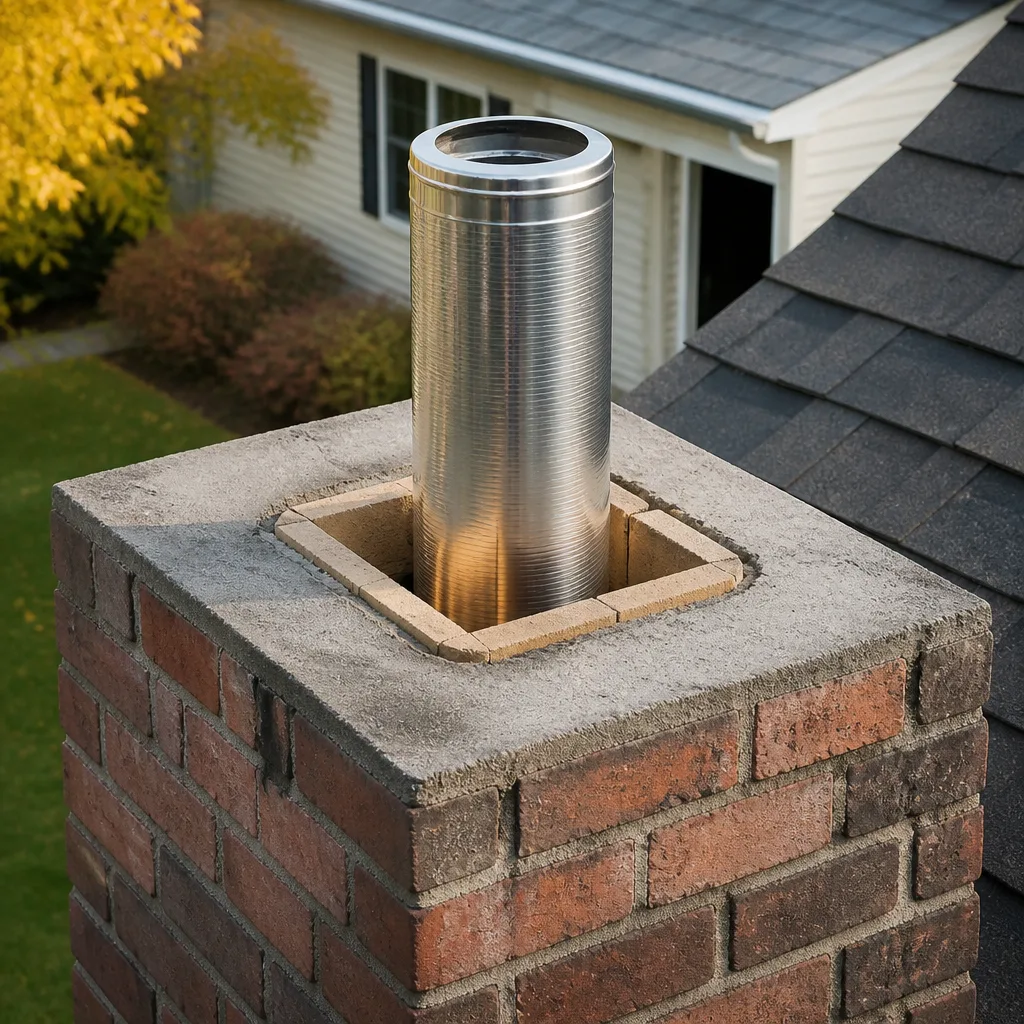
Clay flue tiles crack. When they do, the flue loses the smooth, intact surface that safe drafting depends on. A cracked tile lets heat and combustion gases reach the surrounding structure, and it lets moisture in. Left alone through a wet summer, a small crack becomes a failing liner. This is where most of the expensive fall repairs originate, and it’s why an inspection in June is worth more than three in November.
- Water-soaked creosote turns corrosive.
- Cracked crowns funnel rain straight into the flue.
- Open flues invite animals and nesting debris.
- Cracked flue tiles silently widen over the wet season.
- Deteriorated mortar joints let water into the structure.
The Best Pre-Season Window to Book Chimney Service in Redmond
The best time to book chimney cleaning and inspection in Redmond is late spring through early summer: roughly May into July. That’s after the last fires of the season and before the wet season returns, which gives you the driest possible window to clean the flue and fix anything the inspection finds. Waiting until October doesn’t just mean a longer wait for an appointment. It means the work gets squeezed into the weeks before everyone wants to light a fire, and rushed work is where corners get cut.
Think about how the fall demand curve actually looks. The first cold snap of October sends a wave of calls into every sweep in the area at once. Appointments stack up. Repairs that should have been planned in summer become emergency decisions made in a hurry. A homeowner who calls in June gets a relaxed inspection, a written report, a clear plan, and time to schedule the repair work when it fits. A homeowner who calls in October gets a slot, a discovery, and pressure.
Here’s a simple annual schedule that keeps a Redmond chimney ahead of the weather:
- Late April to May: Book the post-season cleaning and a full inspection while the weather is still drying out.
- June to July: Handle cap, crown, and waterproofing work the inspection flagged, in dry conditions.
- August to September: Confirm the flue is clean and clear, and arrange any liner repair before the burn season.
- October to March: Burn as normal and watch for warning signs; book a mid-season check if you burn heavily.
If you’re buying or selling a home in Redmond, the schedule changes a little. An inspection is available as a standalone service, so you can get an independent read on the chimney without committing to cleaning or repair. That’s useful during a real estate transaction, when you want to know what you’re actually inheriting before you close.
Spring Post-Season Tasks That Prevent Summer Moisture Damage
Spring is when the chimney is most vulnerable and most fixable at the same time. The burn season is over, the flue is loaded with the season’s creosote, and the wet months are starting. A handful of tasks done now prevent the damage that would otherwise be discovered in fall. These are the ones that matter most in Redmond’s climate.
Sweep the flue after the last fire
This is the single most important spring task. Creosote left in the flue through a wet summer absorbs moisture and turns corrosive against the liner. A sweep removes it before it has a chance to work. It also gives the technician a clear look at the flue, which sets up the inspection.
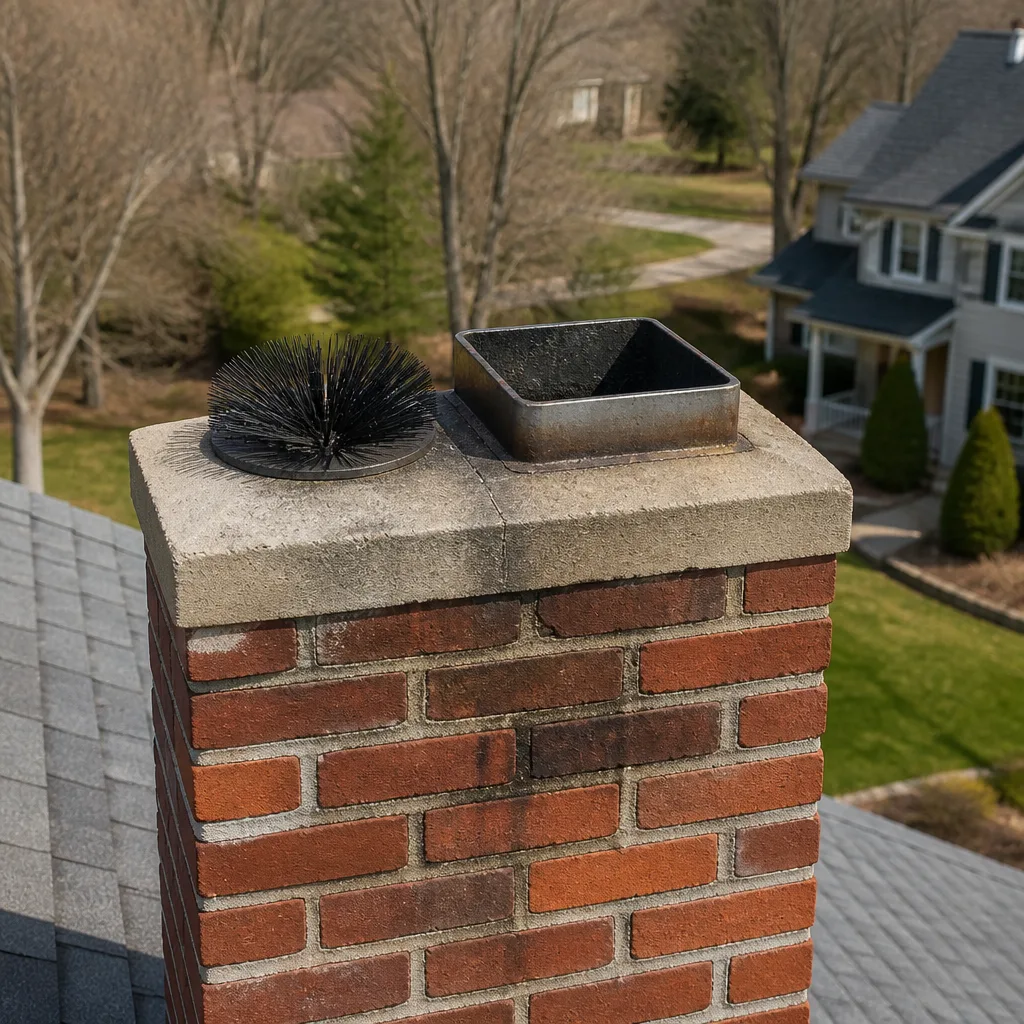
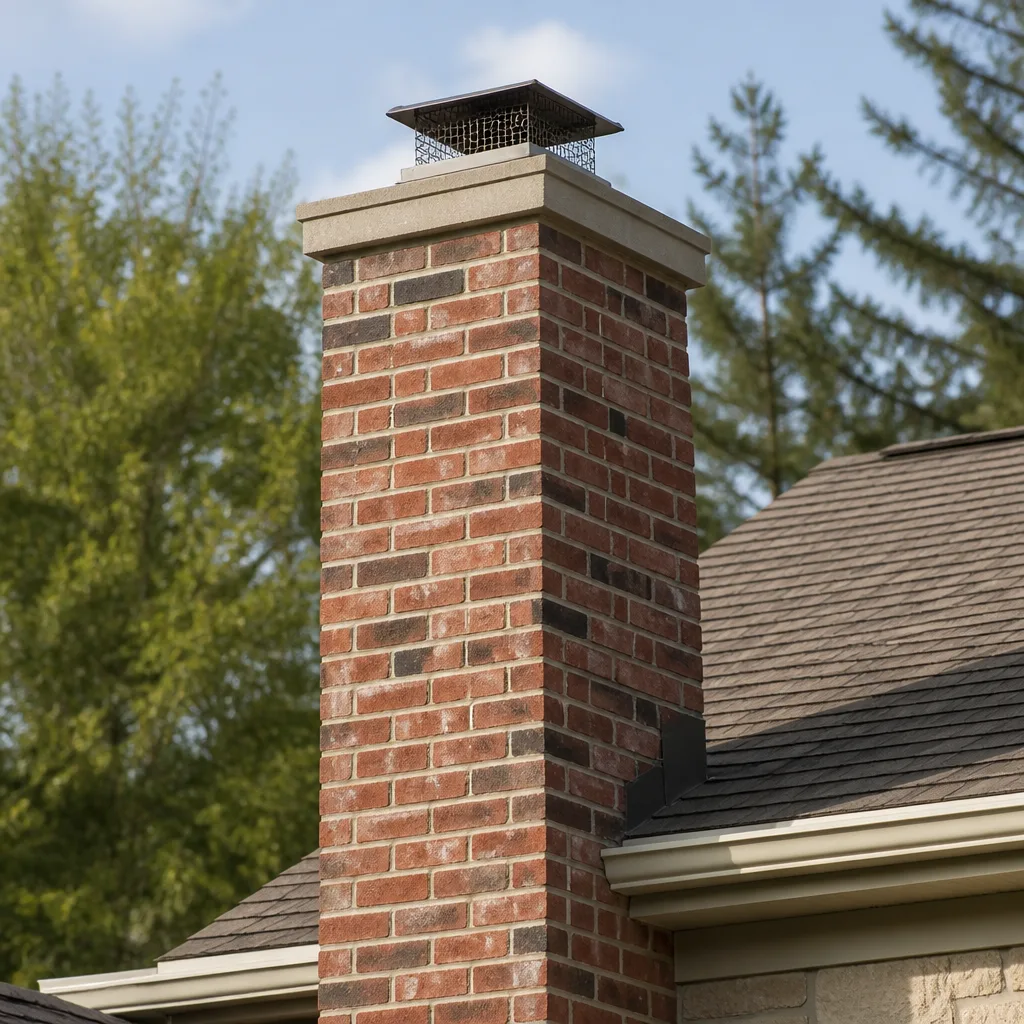
Inspect the cap
Your chimney cap does two jobs: it keeps water out of the flue and it keeps animals out. A cap that’s loose, rusted, or missing has failed at both. Check that it’s secure and intact, and replace it if it isn’t. We install Gelco and Famco caps because they’re built for the job rather than improvised.
Check and seal the crown
The crown is the concrete top of the chimney, and it takes the full force of the weather. Cracks in the crown let water run down into the flue and the structure. A crown that’s cracked but structurally sound can often be sealed; one that’s badly deteriorated needs rebuilding. Either way, spring and early summer are when the repair should happen, in dry weather. See our chimney cap & crown page for how this work is done.
Apply waterproofing treatment
A breathable waterproofing treatment on the masonry slows water absorption while still letting the structure dry outward. It’s a preventive step, not a fix for existing damage, so it belongs after any crack repair and crown work is done. Applied in spring or early summer, it carries the chimney through the wet months.
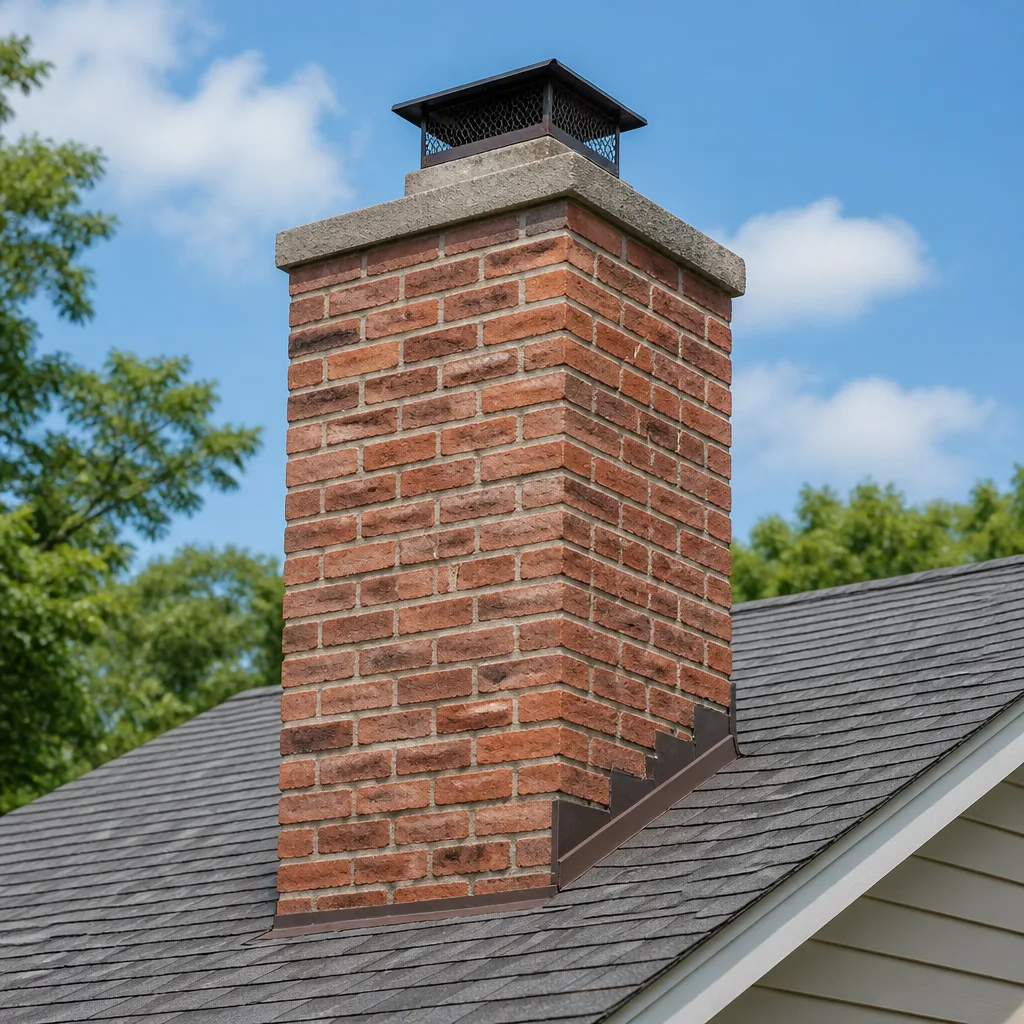
Look at the flashing
Where the chimney meets the roof, the flashing seals the joint. Failed flashing is a common source of water intrusion that shows up as a ceiling stain well away from the chimney. Have it checked during the spring inspection.
Managing a Wood-Burning System During Puget Sound Burn Bans
King County sits within the Puget Sound Clean Air Agency’s jurisdiction, and that agency issues burn bans when air quality is poor, often during cold, still winter weather. When a burn ban is in effect, burning wood is restricted, and in the case of a Stage 2 ban it’s prohibited. Redmond homeowners who heat with wood need to know how the bans work, because a ban changes how you manage the system, not just whether you light a fire.
A few practical points:
- Check before you burn. Bans can be called with little notice when the air goes still and cold, so check the agency’s status before lighting up on a cold night.
- Don’t treat a ban as a chimney care holiday. The system still needs its spring cleaning and inspection regardless of how much you burned.
- Burn dry, seasoned wood when bans aren’t in effect. Wet wood smokes more, deposits more creosote, and contributes to the air quality problems that trigger bans.
- Keep a backup heat plan. If you rely on wood as a primary heat source, know what you’ll use during a ban.
Burn bans are a local rule, not a reason to skip seasonal service. In fact, a ban is a good time to have the flue inspected and cleaned, because you’re not burning anyway. If you’ve been meaning to get the chimney looked at, do it during a ban and have it ready for when the air clears. Our Chimney Sweep Redmond team plans sweep visits around the burn season so the work fits between bans rather than during them.
Why a Mid-Season Check Matters for Heavy Burners
If you burn more than three cords of wood a year, a single annual cleaning isn’t enough. In Western Washington’s climate, heavy burning through the winter deposits creosote fast, and a flue that was clean in October can carry a serious load by January. A mid-season check, usually scheduled in the heart of the burn season, catches buildup before it reaches the dangerous range and confirms the flue is still drawing correctly.
Three cords is the rough threshold where we start recommending a second look. Below that, a well-timed annual cleaning usually covers it. Above it, the flue is doing heavy work under wet conditions, and a mid-season inspection is cheap insurance. It’s also a chance to check that the cap hasn’t come loose in a winter windstorm and that no animal found its way in after the last cleaning.
Mid-season checks are shorter than the full annual service. The technician sweeps the flue, checks the cap and crown, and looks at the firebox and damper. If everything’s fine, you’re back to burning with confidence. If there’s a problem, you’ve caught it before it became an emergency in February.
Fireplaces themselves take a beating over a long season. If you notice cracked firebox brick, a failing damper, or smoke coming into the room, that’s a fireplace repair issue, not a cleaning issue, and it’s worth booking promptly so the system stays safe to use. For households burning steadily all winter, we’ve seen that a mid-season check head off exactly this kind of mid-winter problem.
How Often Should a Redmond Chimney Be Cleaned?
Most Redmond chimneys need cleaning once a year, at the end of the burn season. The general industry guidance is to have the chimney inspected annually and cleaned when there’s roughly an eighth of an inch of creosote buildup in the flue, and for most households in this climate that works out to once a year. Households burning heavily, or burning wood that isn’t well seasoned, may need a cleaning mid-season as well.
Several factors push a Redmond chimney toward more frequent cleaning:
- Burning more than three cords of wood a year.
- Burning unseasoned or green wood, which deposits creosote faster.
- A flue that’s oversized for the firebox, which cools the smoke and speeds creosote formation.
- A previous season’s cleaning that was skipped or deferred.
- An older chimney whose liner condition is uncertain.
The annual inspection is the anchor. It tells you the condition of the flue, the cap, the crown, and the firebox, and it sets the cleaning schedule for the coming year. Skipping the inspection and going by feel is how people end up discovering a problem in November instead of June. If you’re not sure where your chimney stands, book an inspection and let the findings drive the decision.
What Chimney Care Typically Costs in Redmond
Chimney care in Redmond is priced per job, and the written estimate sets the final price. A standard cleaning and inspection is usually the least expensive visit. Repair work depends on what the inspection finds, and bigger jobs like relining or crown rebuilding cost more. We don’t quote a flat number without seeing the chimney, because a flue that looks simple from the living room can turn out to have a cracked crown, a damaged liner, or a nest blocking the way.
Here’s a rough sense of what each service involves, priced per job by estimate:
- Chimney sweep: removal of creosote and debris from the flue, with a look at the firebox and damper.
- Inspection: a full assessment of the flue, cap, crown, and firebox, available as a standalone service.
- Cap and crown work: installing a proper cap or repairing or rebuilding a cracked crown.
- Liner repair: resurfacing or relining a damaged flue, using professional-grade systems like HeatShield and DuraFlex.
- Fireplace repair: fixing firebox, damper, and masonry issues inside the firebox.
We price to cover the whole system, so a quote reflects the condition of the chimney, not just the cleaning. That’s deliberate. A sweep-only price that ignores a cracked crown isn’t a bargain; it’s a bill you’ll pay later. If you want a firm number, the right move is a free estimate. Call (855) 550-7958 and we’ll schedule a visit. We answer 24/7. Fast dispatch from 7am to 7pm, Sunday through Friday.
Common Mistakes to Avoid
- Waiting until October to book. The fall rush compresses appointments and rushes work. Book in late spring or early summer and let the dry weather do you a favor.
- Skipping the post-season cleaning. Creosote left in the flue through a wet Redmond summer turns corrosive against the liner. Clean after the last fire, not before the next one.
- Leaving the flue uncapped. An open flue invites birds, squirrels, and raccoons, and a nest built in June blocks the flue by October. A proper cap from a purpose-built line like Gelco or Famco solves it for good.
- Ignoring a cracked crown. The crown takes the weather. A crack funnels water into the flue and the structure, and a small seal job in June is far less than a rebuild in November.
- Burning wet or unseasoned wood. It smokes more and deposits creosote faster, which means more frequent cleaning and a dirtier flue. Season your wood before you burn it.
- Assuming a chimney that “looks fine” is fine. Most serious problems start out invisible from the living room. Only an inspection with a clear look at the flue tells you what’s actually going on.
- Letting a sweep-only company handle a whole-system problem. If the inspection turns up liner damage, crown failure, or firebox issues, you want one company that can diagnose and repair, using professional-grade materials rather than hardware-store patches.
See the difference
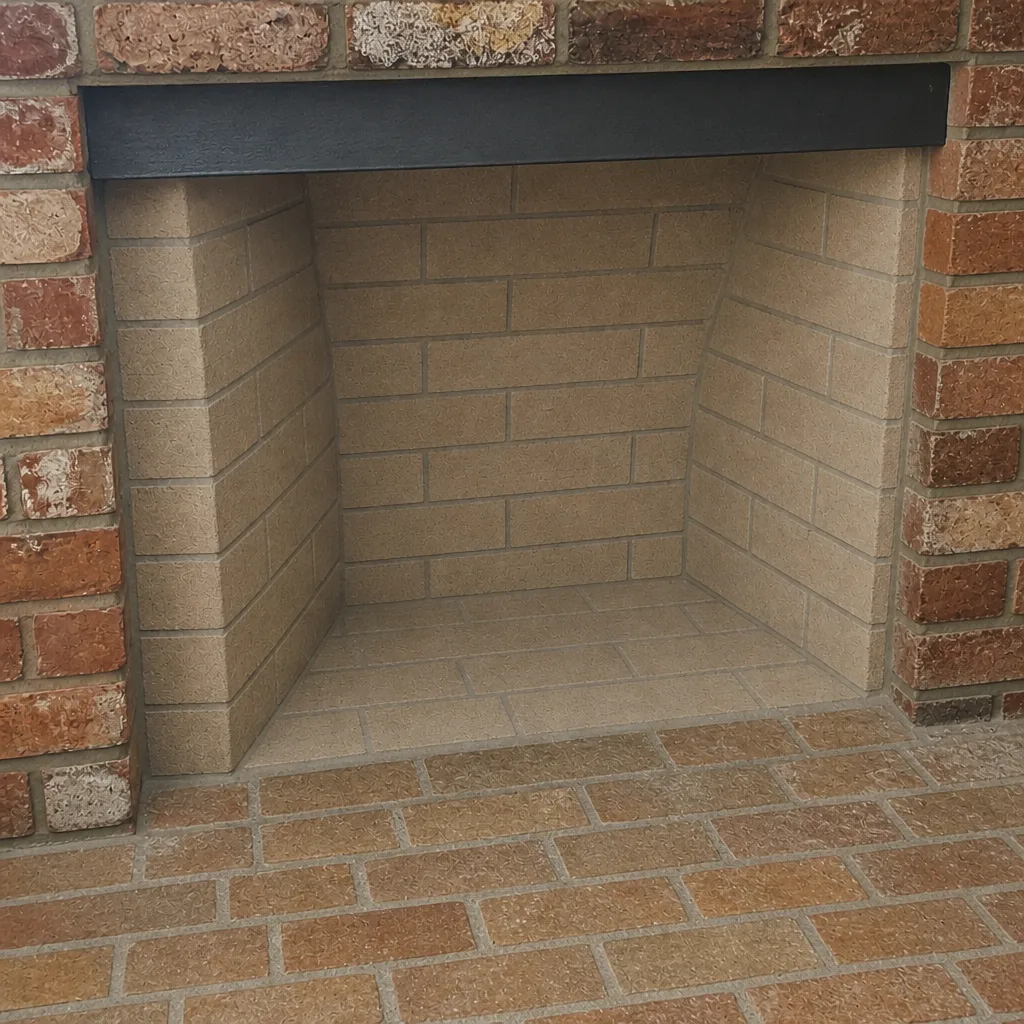
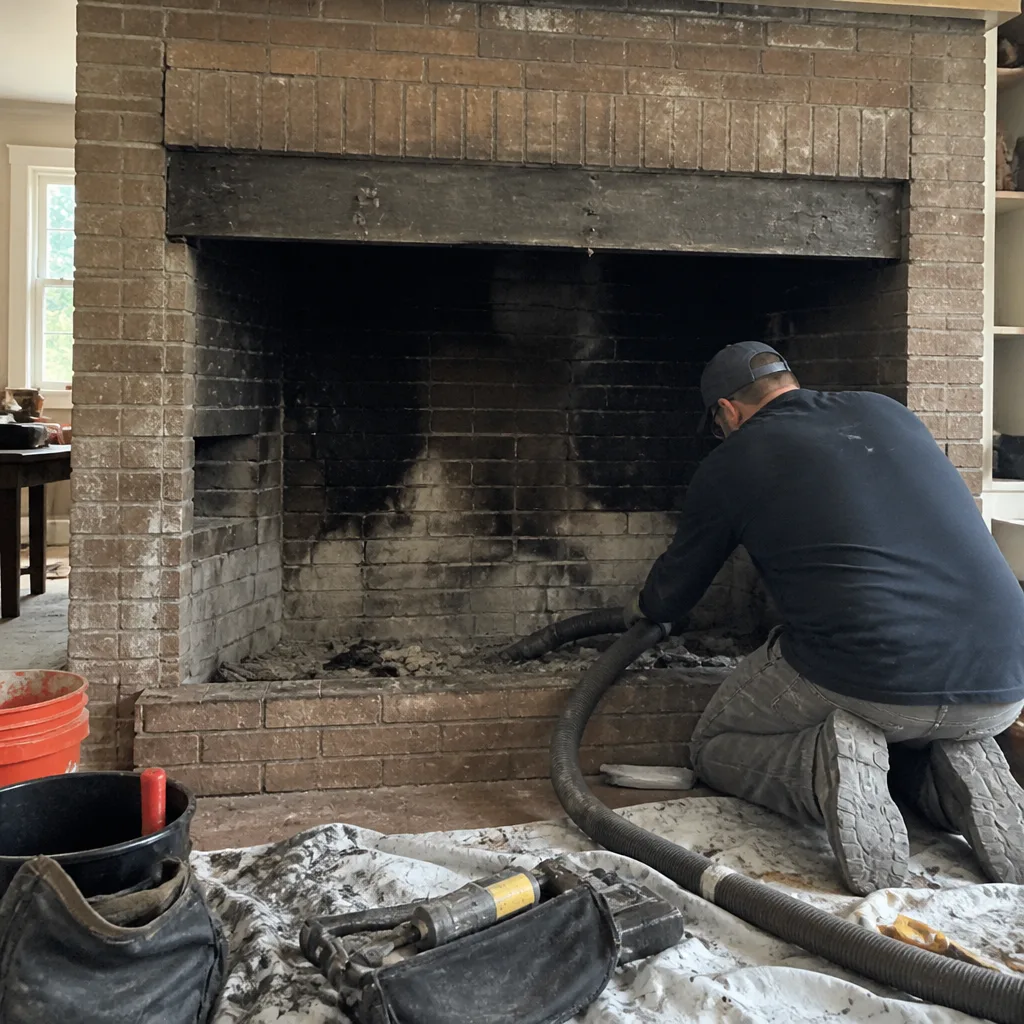 Before
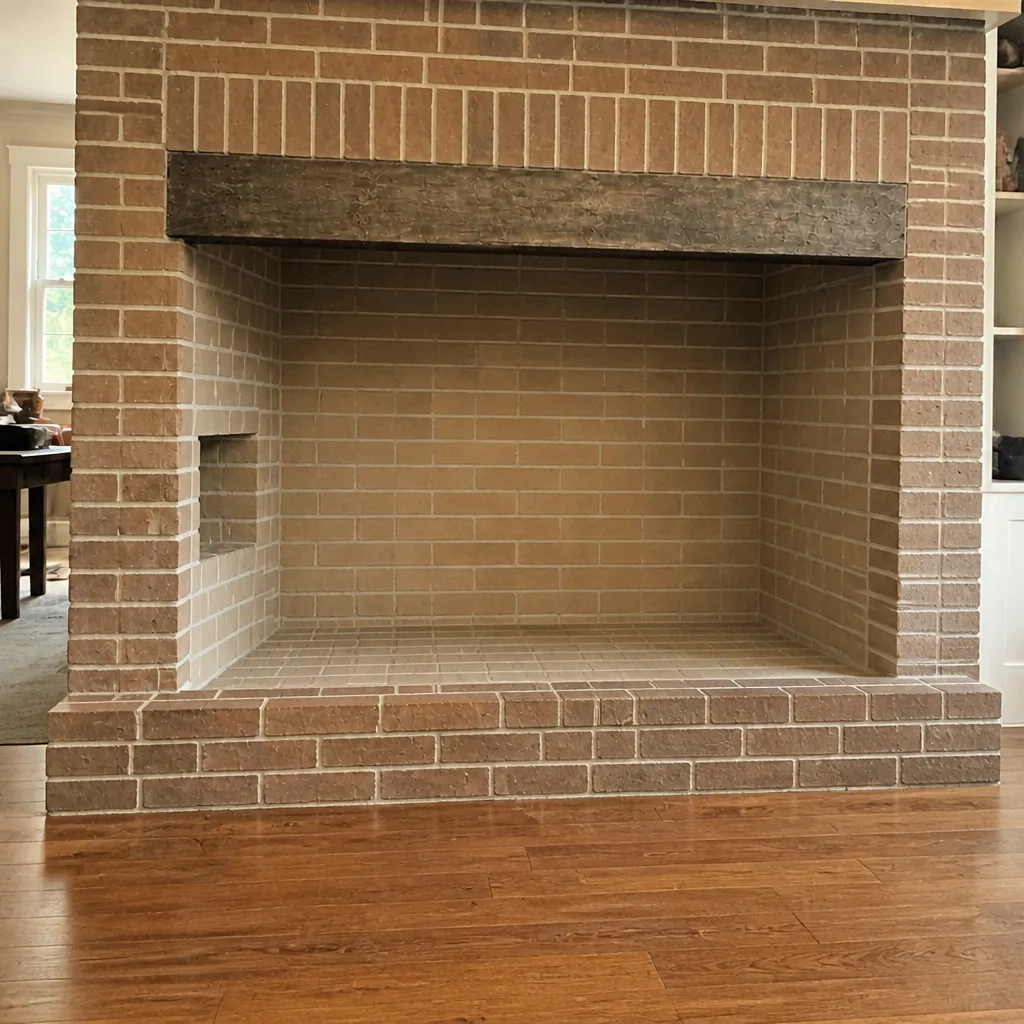 After
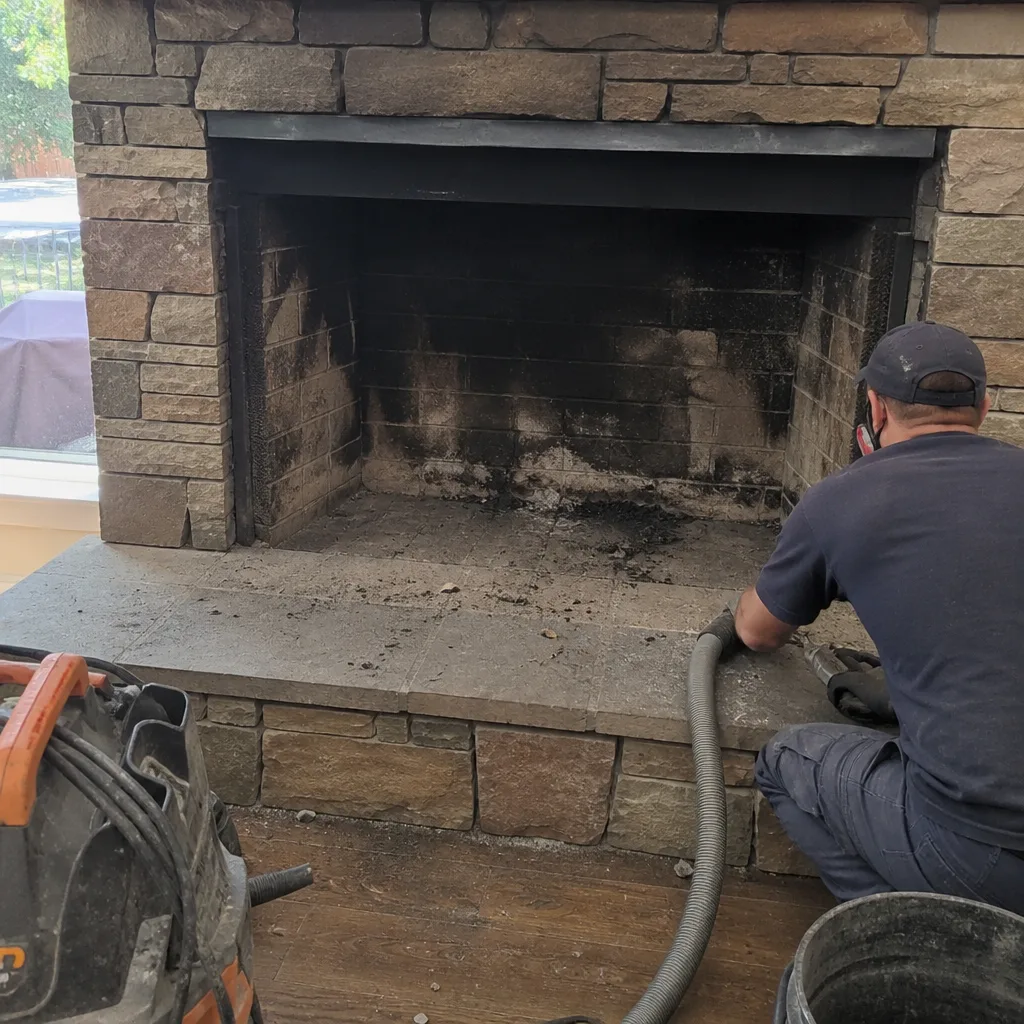
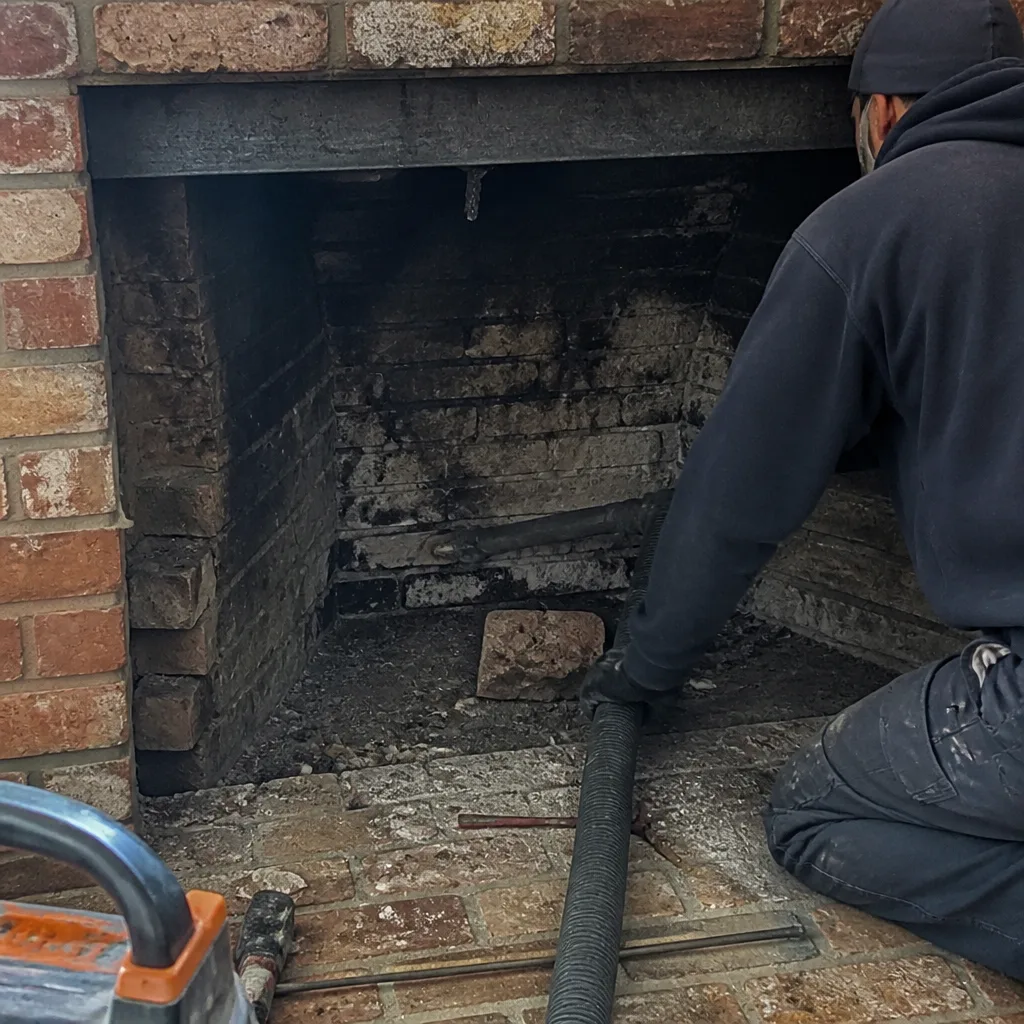 Before
 After
 Before
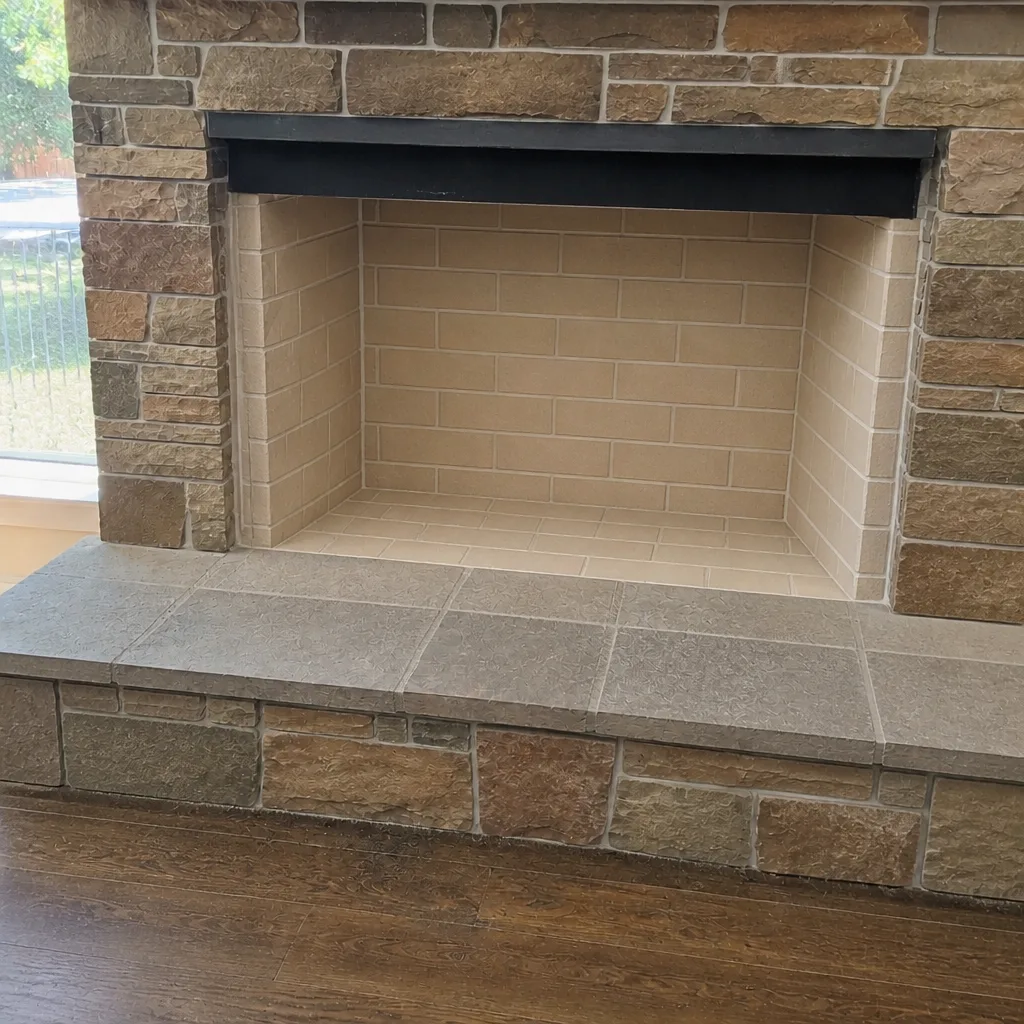 After
When to Call a Professional
Some chimney work is a job for a trained technician, and it’s usually the work that’s hardest to see. Call a professional if you smell smoke in the house when the fireplace isn’t lit, if smoke backs into the room when you light a fire, if you see cracked or crumbling brick in the firebox, if the damper won’t open or close properly, or if you’ve never had the chimney inspected and don’t know its history. Call too if you’ve had a chimney fire, even a small one, because the flue lining needs a close look afterward. And call if it’s been more than a year since the last cleaning.
Chimney Sweep Redmond offers free estimates in Redmond. Call (855) 550-7958. We answer 24/7. Fast dispatch from 7am to 7pm, Sunday through Friday.
Frequently Asked Questions
A standard chimney sweep in Redmond is priced per job, and the written estimate sets the final price. The cost depends on the flue’s condition and how much creosote has built up, so the only reliable number comes from an inspection. Call (855) 550-7958 for a free estimate. We answer 24/7. Fast dispatch from 7am to 7pm, Sunday through Friday.
Once a year for most households, ideally right after the burn season ends. If you burn more than three cords of wood a year or burn unseasoned wood, plan on a mid-season check as well. The annual inspection sets the schedule and catches problems before the wet season.
Creosote builds up in the flue and becomes a fire hazard, and through a wet Redmond summer that creosote absorbs moisture and turns corrosive against the liner. You may also miss a cracked crown or an animal nest that restricts draft. Skipping a year doesn’t usually cause immediate trouble, but problems compound quietly. Call (855) 550-7958 to get back on schedule. We answer 24/7. Fast dispatch from 7am to 7pm, Sunday through Friday.
You need a new or resurfaced liner only if the existing one is actually damaged, and you should be able to see the evidence before you agree to the work. We show you what we find, with a clear look at the flue. If the liner is sound, we’ll say so. If it’s cracked or deteriorated, we can resurface it with HeatShield or reline with DuraFlex rather than send you to another contractor.
No, when a burn ban is in effect in King County, wood burning is restricted or prohibited depending on the stage. Check the Puget Sound Clean Air Agency’s status before you burn on a cold, still night. A ban is a good time to have the flue inspected and cleaned, since you won’t be using it anyway.
Summer is when the damage happens. Moisture cycles through the masonry, animals move into an uncapped flue, and creosote left from the previous season turns corrosive. Summer is also when the weather is dry enough for repairs like crown sealing and waterproofing to be done properly. Call (855) 550-7958 to book before the fall rush. We answer 24/7. Fast dispatch from 7am to 7pm, Sunday through Friday.
The Bottom Line
The Redmond chimney calendar starts in summer, not fall. Clean the flue after the burn season to stop creosote from turning corrosive over the wet months. Inspect the cap, the crown, and the flashing while the weather is dry and repairs can cure correctly. Know the Puget Sound burn ban rules for King County so you burn responsibly. And if you burn more than three cords a year, add a mid-season check. Book in late spring or early summer so an October cold snap doesn’t catch you with a dirty flue, a cracked crown, or a nest in the way. The work is simpler and cheaper when it’s planned.
Whether you need a cleaning, an inspection, cap and crown work, or liner repair, one company can handle the whole chimney from the firebox to the flue cap. We work with professional-grade materials including DuraFlex, HeatShield, Gelco, Olympia Chimney, Famco, and Copperfield, and our technicians have up to 8 years of experience. Call (855) 550-7958 for a free estimate. We answer 24/7. Fast dispatch from 7am to 7pm, Sunday through Friday.
Written by the team at Chimney Sweep Redmond.