
Last updated November 25, 2026
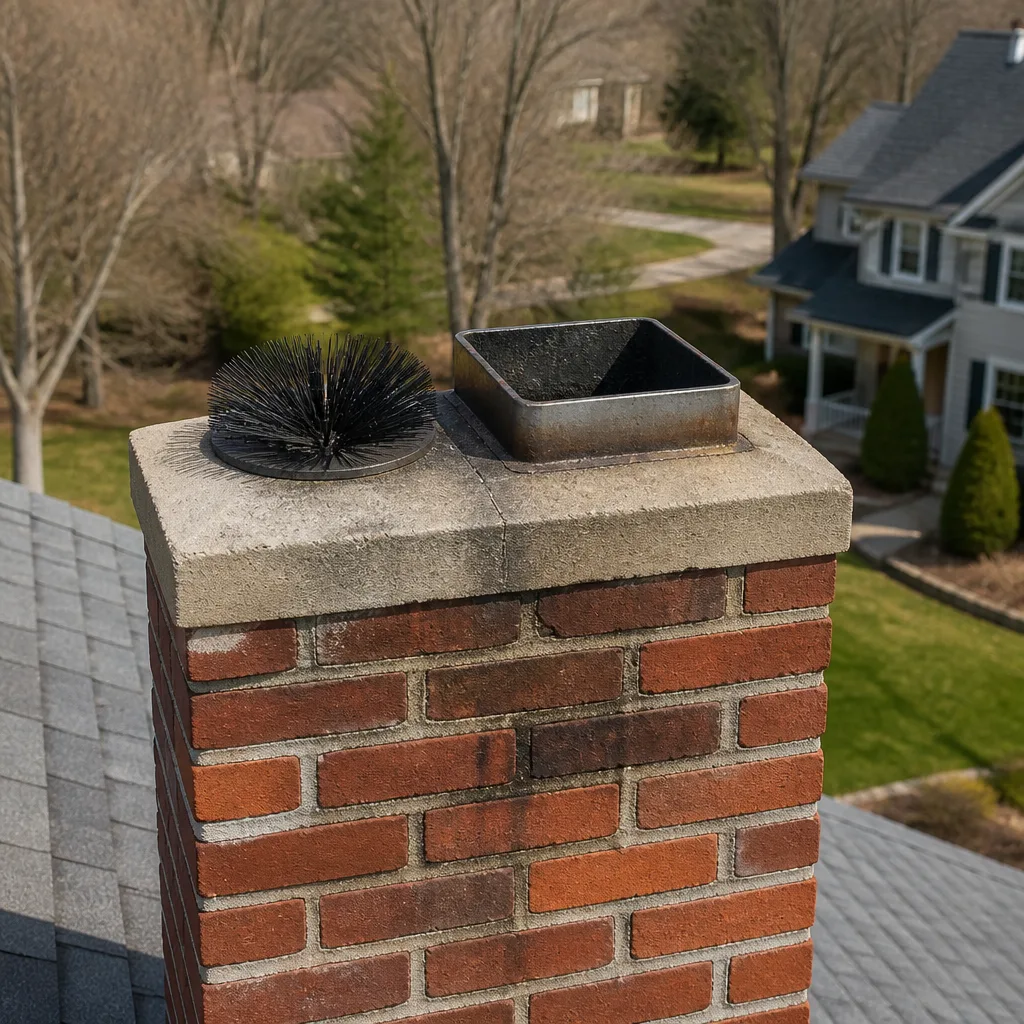 Sweep & inspection
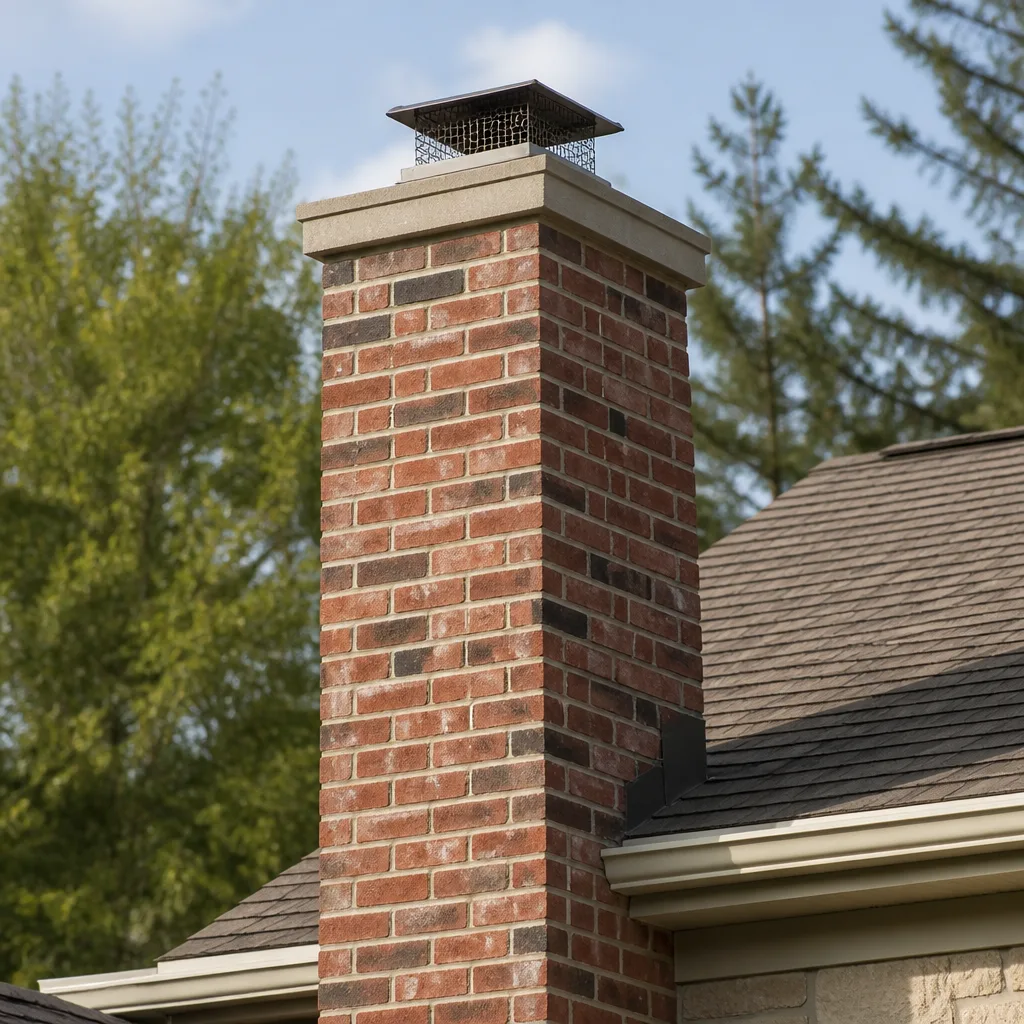 Caps & crowns
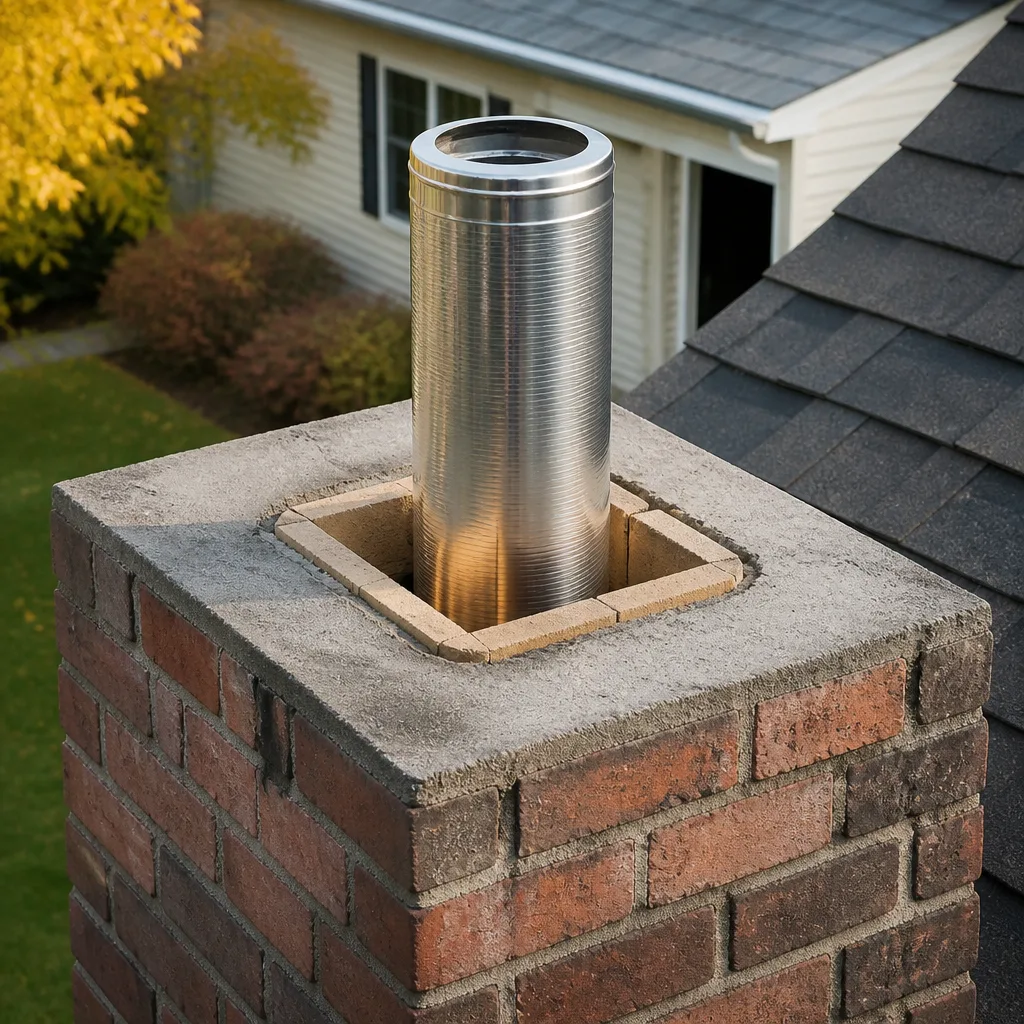 Flue relining
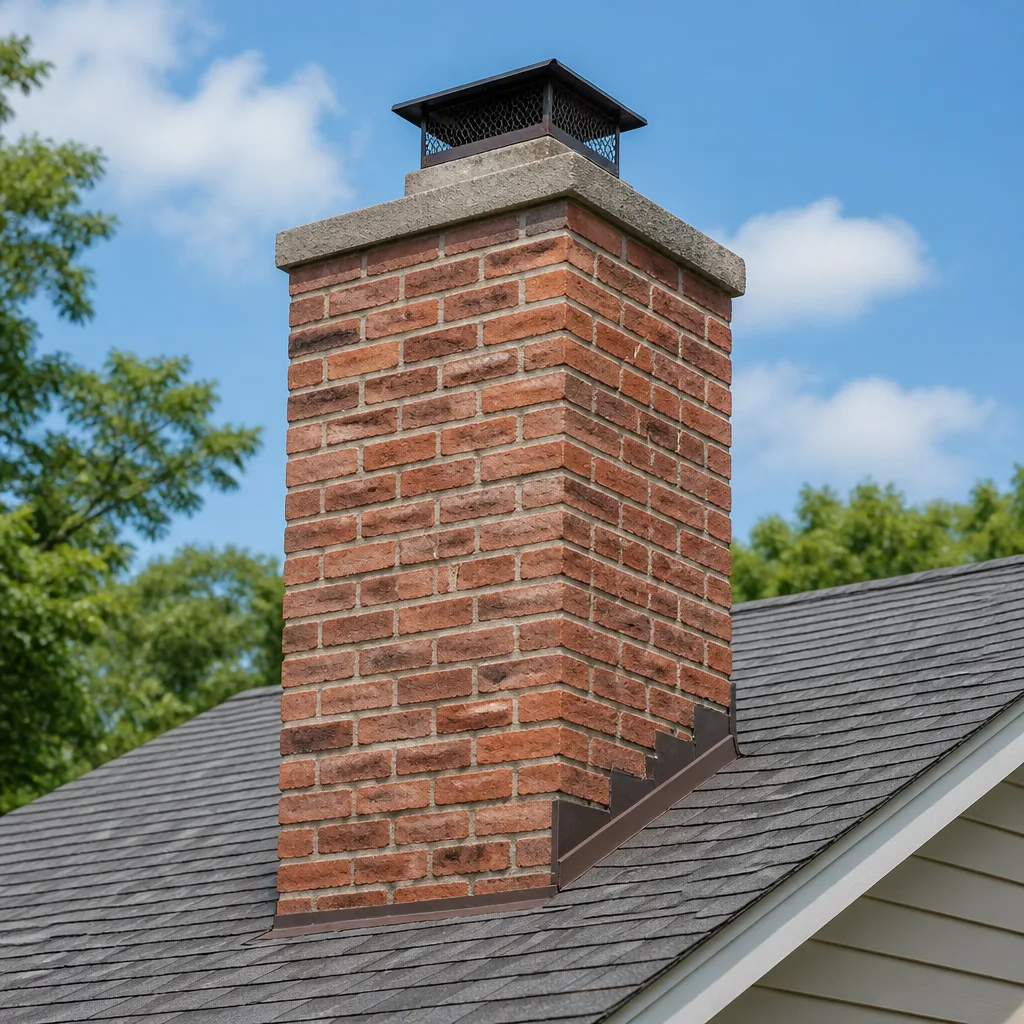 Masonry repair
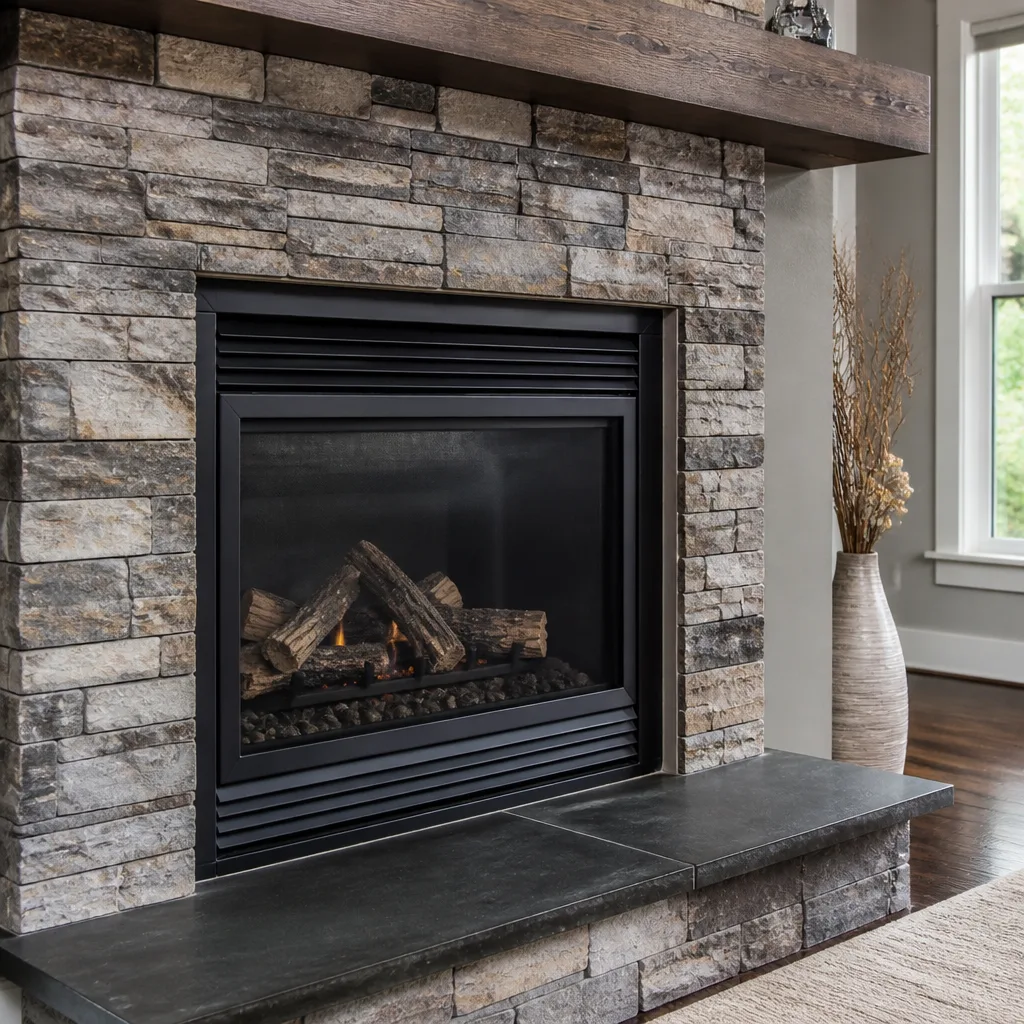 Gas fireplace service
Level 1 sweep and inspection to the NFPA 211 annual standard - flue, crown, cap, and flashing checked and photographed
Chimney sweep logs do not sweep chimneys. They loosen some creosote - which then falls where a brush and vacuum still have to collect it.
Chimney Cleaning Warning Signs: A Redmond Homeowner’s Reference Guide
Most chimney warning-sign guides stop at the visible layer: white stains on the brick, a smoke smell in the room, crumbling mortar at the crown. Those are real signals, but they’re usually late-stage. The more useful question is what’s happening deeper in the system to produce them. A smoky smell after a fire is a draft problem, not a dirt problem, and a sweep that cleans the flue without addressing the draft leaves you with the same smell and the same cleaning bill within a season. This guide works backward from the symptoms Redmond homeowners report to what’s actually failing inside the chimney. We’ll separate cleaning-overdue signals from structural damage signals, decode draft issues, and show you how to spot a chimney that was just cleaned but still isn’t safe.
Quick Answer
The main chimney cleaning warning signs are: a strong smoke or creosote smell in the room, dark soot or glaze visible at the flue throat, a fire that drafts poorly or smokes back into the room, and a buildup of creosote at the top of the firebox or on the damper. Structural warning signs are different: white efflorescence on exterior brick, a dislodged or crumbling crown, missing mortar joints, a cracked flue tile, or a cap that has shifted or corroded. Cleaning solves the first group. The second group needs inspection and repair, and cleaning alone will not fix it.
Styles & brands we work with
- Sweep & inspection
- Caps & crowns
- Flue relining
- Masonry repair
- Gas fireplace service
Table of Contents
- Cleaning-Overdue vs. Structural: How to Tell the Difference
- What White Staining on Redmond Brick Actually Means
- Settling Sounds vs. Liner Movement
- Draft Problems Decoded: Negative Pressure, Height, and Flue Sizing
- When a “Cleaned” Chimney Is Still Unsafe
- How Redmond’s Climate and Housing Shape Chimney Problems
- Inspection vs. Sweep: Why They’re Different Services
- Creosote Stages and Why Frequency Alone Doesn’t Prevent Fires
Cleaning-Overdue vs. Structural: How to Tell the Difference
The single most useful skill in reading chimney warning signs is separating a dirty flue from a damaged one. Most homeowners conflate the two, and most poorly explained service visits blur them together. The distinction matters because one problem costs you a sweep and the other costs you a repair, and misreading them either wastes money or leaves the system unsafe.
Signs a cleaning is overdue:
- Soot streaking or dark residue on the firebox walls
- Visible creosote buildup at the damper or flue throat
- A smoky odor in the room between fires
- Weak draft that gets worse as the fire burns
- Slow ignition even with properly seasoned wood
Signs of structural damage that cleaning won’t fix:
- White efflorescence on exterior brick (see next section)
- Cracked, spalled, or separated flue tiles
- A crown that’s cracked, dished, or pulling away from the flue
- A missing or loose cap allowing water and animals into the flue
- Movement in the liner detectable from the firebox
- Soot stains on the masonry face around the chimney breast
If you notice items from both lists, the correct order is inspection first, cleaning second. A sweep that runs before a structural problem is diagnosed can dislodge weakened material or spread soot into gaps a camera should have caught first. That’s why we treat inspection as a standalone service, not a sales step attached to cleaning. If someone tells you a sweep is all you need and you have checkmarks in the structural list, ask what evidence they have for that call. A proper answer includes photo or camera documentation, not a verbal reassurance.
What White Staining on Redmond Brick Actually Means
Efflorescence is the whitish, powdery bloom that appears on brick and masonry. It’s the visible residue of water soluble salts that have migrated to the surface as water passes through the masonry and evaporates. It is not a blemish. It’s a message from the wall: water is getting into the chimney and coming back out through the brick. Where it shows up tells you a lot about the path.
Water enters a chimney system through a handful of predictable openings:
- The crown. If the concrete crown has a hairline crack or has dished away from the flue, every rain event sends water down the top of the masonry.
- Missing or failed cap. A cap keeps rainfall, birds, and squirrels out of the flue. It also keeps water off the top of the flue tile. Corroded caps are common after enough years of weather, and a slip of a poorly fitted generic cover is not the same thing as a purpose-made cap.
- Mortar joints. Pointing erodes with freeze-thaw cycles and normal aging, opening pathways at every joint.
- Spalled face brick. Once a brick face flakes, water has a direct route into the brick body.
Repointing alone treats the symptom. It closes the joints but leaves the water path at the crown and cap untouched, which means the efflorescence comes back next winter. The correct sequence is: find where the water is entering, fix those points first (crown and cap), then address the masonry. When it’s time to install or replace those components, our chimney cap & crown work uses Gelco and Famco products, which are purpose-built chimney components rather than improvised covers. On the interior side, water in the flue causes flue tile failure and rusted dampers, which is a fireplace repair problem as much as an exterior one. Catching efflorescence in the first winter it appears is far cheaper than the masonry rebuild it can lead to.
Settling Sounds vs. Liner Movement
A house speaks. Wood framing shifts, masonry contracts and expands with temperature, and those are normal sounds. But chimney owners need to distinguish between normal settling and something moving that shouldn’t. Getting this wrong is one of the more common ways an early warning sign turns into a serious repair bill.
Normal settling and thermal sounds
- Occasional ticks and creaks when the fire is heating up or cooling down
- Slight movement of the metal damper assembly when you open or close it
- The dull “settling” pop of the house on a cold morning
- A rushing sound in the flue as draft changes with outdoor temperature
Liner movement and structural signals
- A crunching or grinding sound when the fire first gets going, followed by a smell of masonry dust
- Visible gaps or offsets between flue tiles when you look up the flue with a flashlight from the firebox
- Small chips of tile or mortar appearing on the smoke shelf
- A rattle from the damper that wasn’t there before the last fire
- Loose bricks or a hollow sound when you tap the firebox brick
Flue tiles are meant to be a continuous barrier. When joints crack or one flue tile separates from the next, hot gases and creosote reach the surrounding masonry. That masonry is not designed to be the flue, and a single separated tile is a defect that a visual-only sweep will not catch. A camera inspection shows it in seconds. When tile separation is small and localized, HeatShield resurfacing rebuilds the flue surface without tearing out the chimney. When the separation is larger, a DuraFlex flexible liner is the standard professional solution, and it’s a system we specify in complex relining jobs. Our technicians have up to 8 years of experience reading these signals, and they can tell you the difference between a house that’s talking and a liner that’s failing.
Draft Problems Decoded: Negative Pressure, Height, and Flue Sizing
A smoky smell or a fire that won’t draw is a draft problem. Sweeping may clear an obstruction, but if the underlying pressure, height, or flue-size issue remains, you’ll be back at the same spot. Three things drive draft in a Redmond home: negative pressure inside the house, the height ratio of chimney to roofline and nearby trees, and whether the flue is the right size for the appliance.
Negative pressure
Modern homes are tighter. Bathroom fans, kitchen hoods, and clothes dryers pull air out, and if the house doesn’t have an adequate supply of makeup air, it will pull air down the chimney instead. The result is weak draft, smoke pushed into the room, and accelerated creosote because the fire burns cooler and less completely. Signs negative pressure is the cause: smoke smell strongest when the bath fan or kitchen hood runs, and improvement on a windy day versus a still one.
Height ratios
A common rule of thumb is that the chimney should extend at least 3 feet above the roof surface on the high side and 2 feet above anything within 10 feet. A tree that has grown into that zone over the past few years is a very real cause of draft failure. Height helps warm air rise and carry gases out, and if a chimney is short relative to a steep roof, draft suffers regardless of cleaning.
Flue sizing
An oversized flue is the quiet villain. Older homes often had a fireplace-sized flue serving an appliance that worked fine, then a stove was added, then a different insert, and the flue is now much larger than the current appliance needs. An oversized flue cools the exhaust before it exits, which slows draft and deposits creosote faster. That’s why an owner in Redmond can clean the flue faithfully every year and still see fast buildup. Cleaning frequency can’t fix a sizing problem; a proper flue assessment can. An inspection can determine whether the flue is matched to what you’re burning in, and if it isn’t, the fix might be a properly sized liner rather than more cleaning.
If the draft is bad, do not keep trying to force the fire. Repeated backdraft pushes carbon monoxide and creosote products into the room, and while backdraft is not the same as a leak, it’s a genuine health concern worth fixing rather than living with. Call a professional and have it inspected before lighting another fire.
When a “Cleaned” Chimney Is Still Unsafe
A chimney can pass the sweep test and still be unsafe. The sweep removes what’s in the flue; it doesn’t necessarily reveal what’s wrong with the flue. Homeowners who’ve been told “everything looks fine” without explanation are exactly the people who benefit most from asking a few concrete follow-up questions. These are the red flags you can observe yourself right after a cleaning.
- You weren’t shown any evidence. A camera inspection and photo report is the standard. If your sweep can’t or won’t show you what they saw, ask for it. We show you what we find.
- Soot on the masonry face. Stains on the brick around the chimney breast or around the firebox indicate a path for smoke products into the wall cavity, which cleaning does not address.
- A continued smoke smell after the cleaning. If the smell was there before and is still there after, the cleaning addressed the symptom. The cause (draft, pressure, or a liner issue) remains.
- Chips of flue tile or mortar found in the firebox or on the smoke shelf. This is liner failure material, not debris from cleaning.
- A damper that doesn’t fully close or seat. A common companion issue to a cracked flue; a warped damper allows heat loss and draft-back when the fireplace is off.
- A cap that wasn’t checked. If the cap wasn’t addressed during the visit, the top of the chimney wasn’t part of the service. Any properly scoped cleaning visit should include eyes on the cap, guard, and crown.
- No written report of the flue condition. Verbal reassurance is not an inspection. Ask for a written account of what was found, including flue tile condition and any glazed creosote.
None of these automatically mean the sweep did something wrong. They mean the cleaning was not the whole picture. The chimney sweep and the inspection belong together in a proper visit, and if they were separated, you’re entitled to understand why.
How Redmond’s Climate and Housing Shape Chimney Problems
Chimney problems in Redmond look different from chimney problems in a desert or in a dry mountain climate. The Pacific Northwest’s wet winters and humid shoulder seasons mean water intrusion is the biggest long-term enemy of a Redmond chimney, and it usually shows up through efflorescence, a cracked crown, or spalled brick. Freeze-thaw cycles in the coldest weeks of the year make any water that’s already inside the brick worse. Water enters a joint, freezes, expands, and pops the mortar, and the cycle repeats each winter until repointing is a bigger job than a crown replacement would have been.
The heating season here is long. Fires get burned from late fall into early spring, with plenty of shoulder-season fires in between. That means creosote accumulates over more months than many national chimney guides assume. If a Redmond homeowner heats with wood as a supplement rather than an occasional luxury, annual sweeping is the floor, not the ceiling.
Housing stock matters too. Redmond and the surrounding Eastside neighborhoods include mid-century homes with masonry fireplaces that have original flue tiles, newer builds with factory-built systems, and older homes with additions and appliance swaps layered over decades. Each of those presents different failure modes. A 1950s masonry chimney with unlined flue tiles and no cap has a different problem profile than a 2005 build with a factory liner. The inspection answers which one you have. The Chimney Sweep Redmond team works across all these building types, and we ask about the house before we ask about the appointment.
One more local factor: interior remodels are common in the Redmond area, and any remodel that changes room pressure, adds exhaust fans, or alters the fireplace surround can change how the chimney drafts. If the smell or draft started after a remodel, tell the inspector. It’s a leading clue, not a coincidence.
Inspection vs. Sweep: Why They’re Different Services
A sweep removes material. An inspection assesses condition. They are not the same visit, and the difference is the single most important thing a homeowner can understand when reading chimney warning signs.
A proper inspection includes:
- A camera look at the flue from firebox to cap
- An exterior look at the crown, cap, and masonry
- A firebox and damper assessment
- Written or photographic documentation of what was found
- A clear explanation of which findings are urgent and which can wait
A sweep, done properly, should include an inspection because that’s the only way to know whether sweeping is safe and complete. But you can buy the inspection on its own, and there are good reasons to. Buyers and sellers going through a real estate transaction can request a standalone chimney inspection without committing to a cleaning. Homeowners who’ve had a sweep at another time and want a second opinion can schedule an inspection only. And anyone who has been told “it’s fine” without documentation can book the inspection to see for themselves.
If you’re moving into a home in Redmond with an older fireplace, get the inspection before the first fire. If you’re selling, the report is a favor to your buyer. Either way, the report is the point. We show you what we find, and we tell you plainly when something can safely wait until next season.
Creosote Stages and Why Frequency Alone Doesn’t Prevent Fires
Creosote is the residue left by burning wood. It starts as a fine soot-like powder, progresses to a flaky, crusty layer, and ends as glazed, hardened creosote that’s hard to remove. The glazed stage is the one that matters for chimney fire risk because it ignites more readily than the earlier stages and burns hot enough to damage the chimney. Chimney fires can be loud, like a freight train, or quiet enough that the homeowner doesn’t know one happened until an inspection finds the damage.
Cleaning frequency alone doesn’t prevent creosote from reaching the dangerous stage. The things that accelerate creosote buildup are the same things that point to a chimney that’s not working well:
- Wet wood. Unseasoned wood burns cooler and incompletely, leaving more residue.
- Smoldering fires. Low, slow burns produce more creosote than hot, active fires.
- Poor draft. Cool exhaust deposits more creosote on the flue walls.
- Oversized flue. The exhaust cools before exiting, and residue condenses on the way up.
- Cold-start smoke. The first few minutes of a fire when the flue is cold deposit disproportionately more on the walls.
A homeowner who sweeps every fall and still sees heavy glazed creosote in spring has a draft or sizing problem, not a cleaning frequency problem. Sweeping more often doesn’t fix it. Fixing the cause does.
Carbon monoxide is the other risk that creosote concentration tends to hide. A blocked or restricted flue from creosote buildup sends exhaust back into the living space, and carbon monoxide is invisible. A working carbon monoxide detector on every level of the home, tested regularly, is basic and non-negotiable for any wood-burning household.
Common Mistakes to Avoid
- Treating a sweep as a full inspection. A cleaning without a camera look can miss cracked flue tiles, a failed crown, or a separated liner joint. Ask for evidence you can see.
- Repointing before fixing the crown and cap. If water is still entering from the top of the chimney, the repointing you just paid for will erode again within a few winters. Fix the source first.
- Burning wet or unseasoned wood to save money. Wet wood drives faster creosote buildup and creates more smoke and smell. The fire is also less satisfying, which is the honest reason to avoid it.
- Ignoring a new smoke smell after a remodel. A change in pressure or exhaust is the usual culprit. It’s a draft signal, not a cleaning signal.
- Replacing a cap with a generic hardware-store cover. A proper chimney cap is sized and built for the flue. An improvised cover often blocks exhaust or traps moisture, creating the problem it was meant to solve. That’s one reason we install Gelco and Famco caps rather than generic covers.
- Assuming a smoky smell means the flue needs cleaning again. If it didn’t resolve with the last cleaning, it’s not dirt. It’s draft, pressure, or a defect.
- Skipping the inspection when buying a home in Redmond. A standard home inspection doesn’t look inside the flue. If the seller can’t produce a documented chimney inspection, book one before you close.
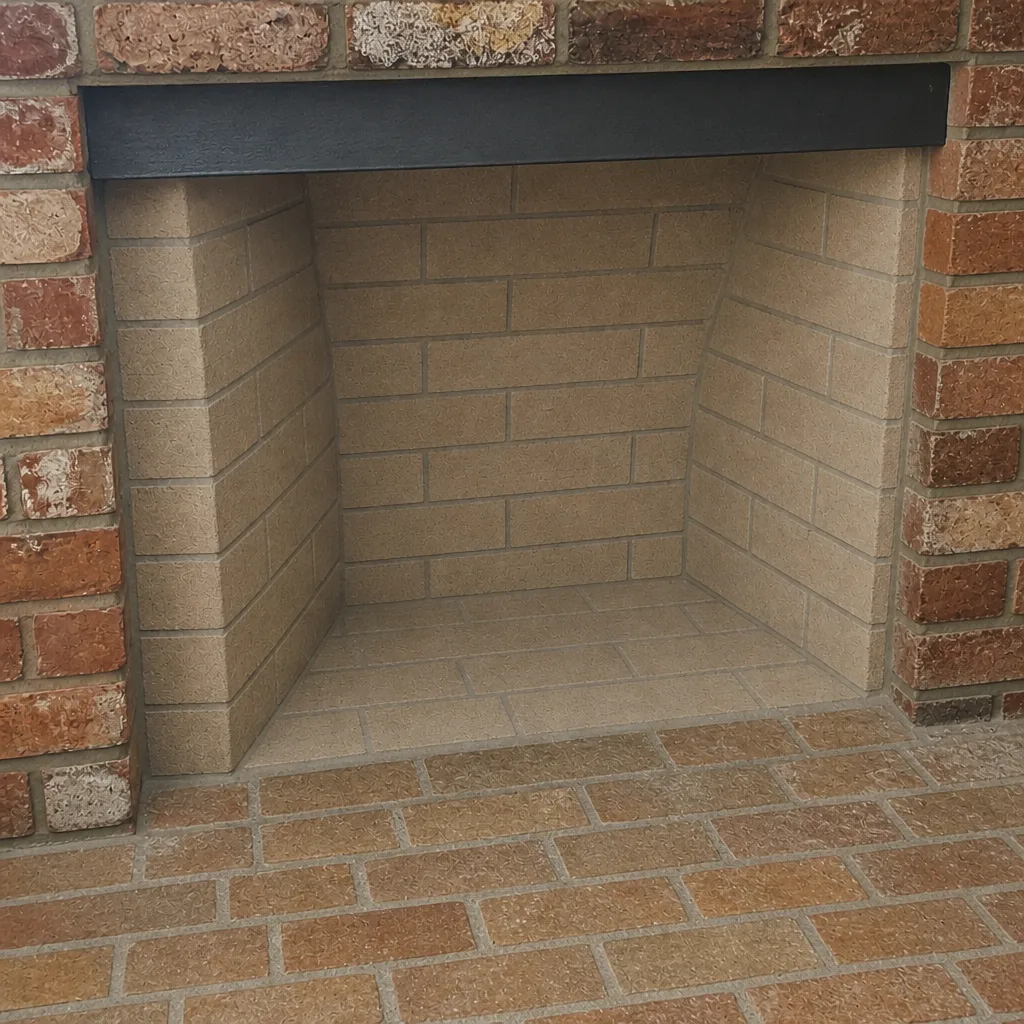
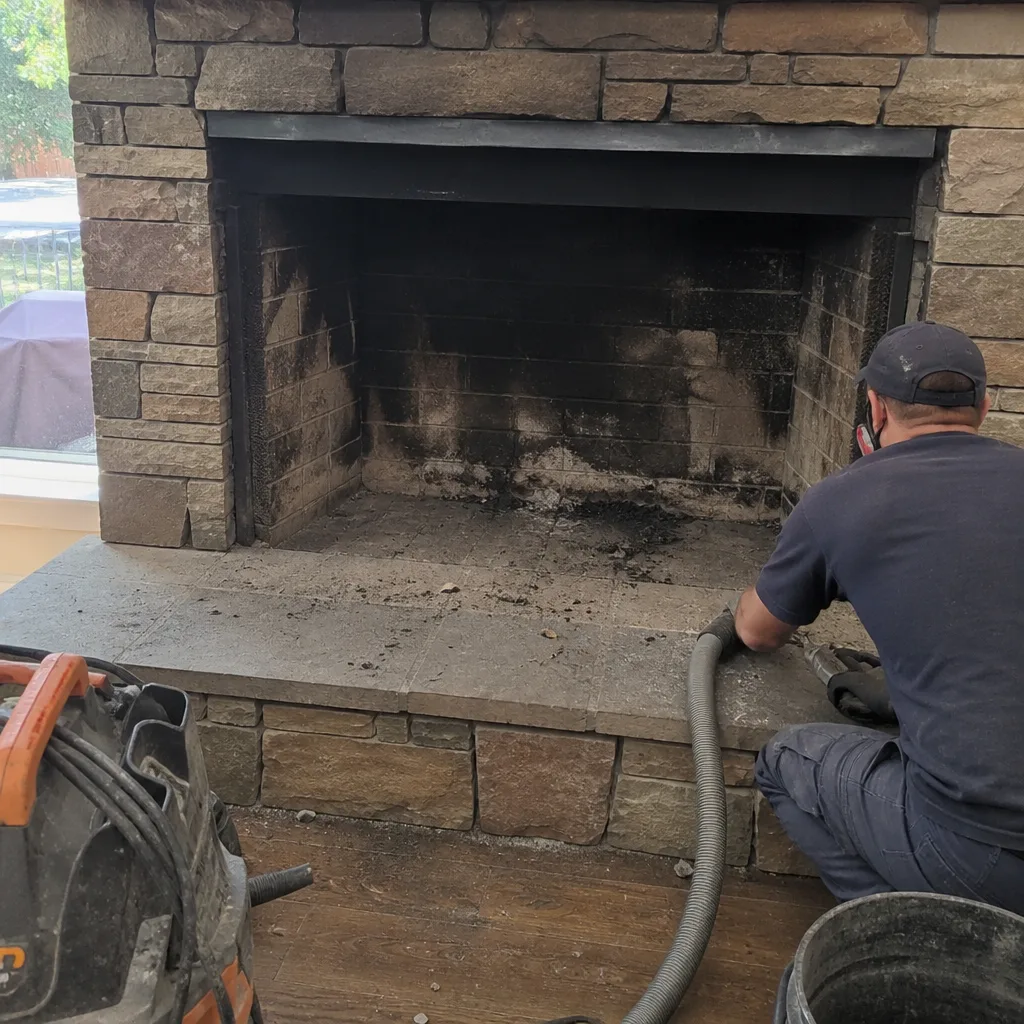
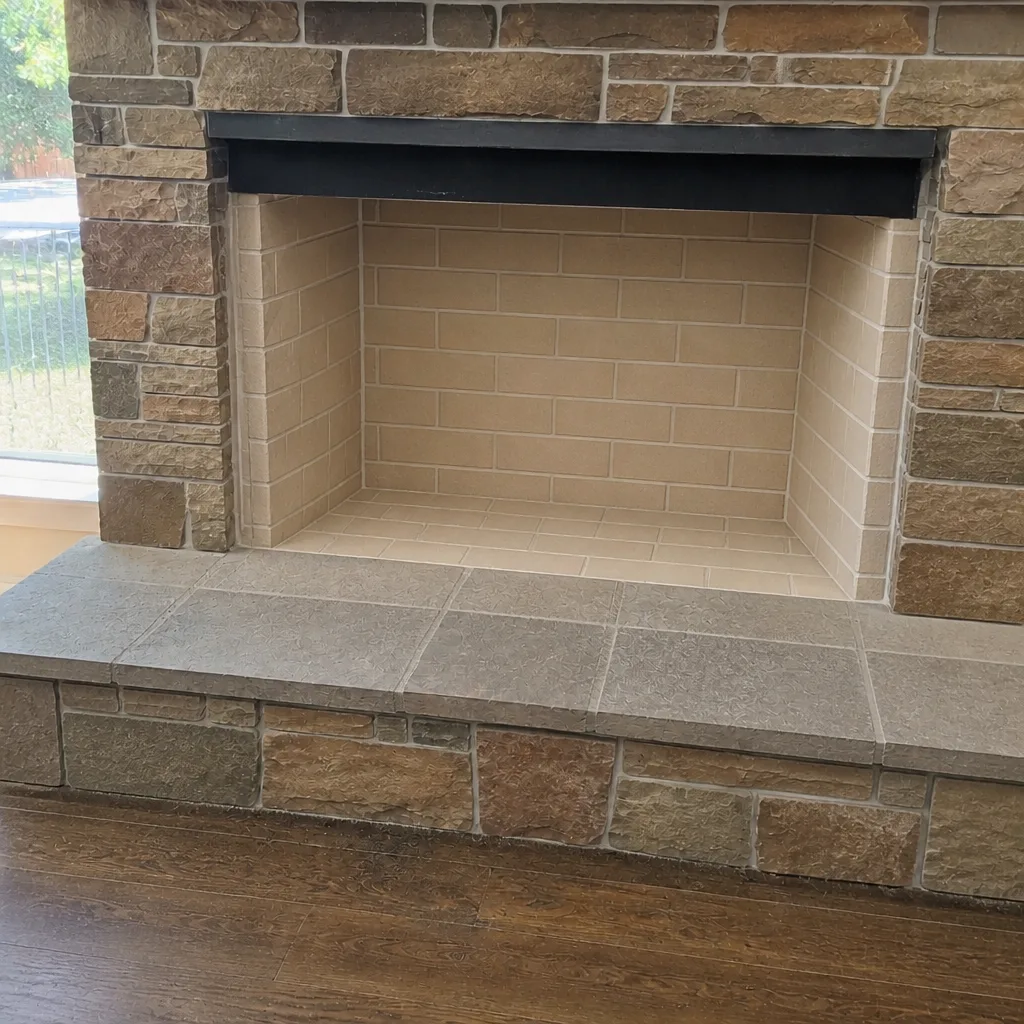
See the difference
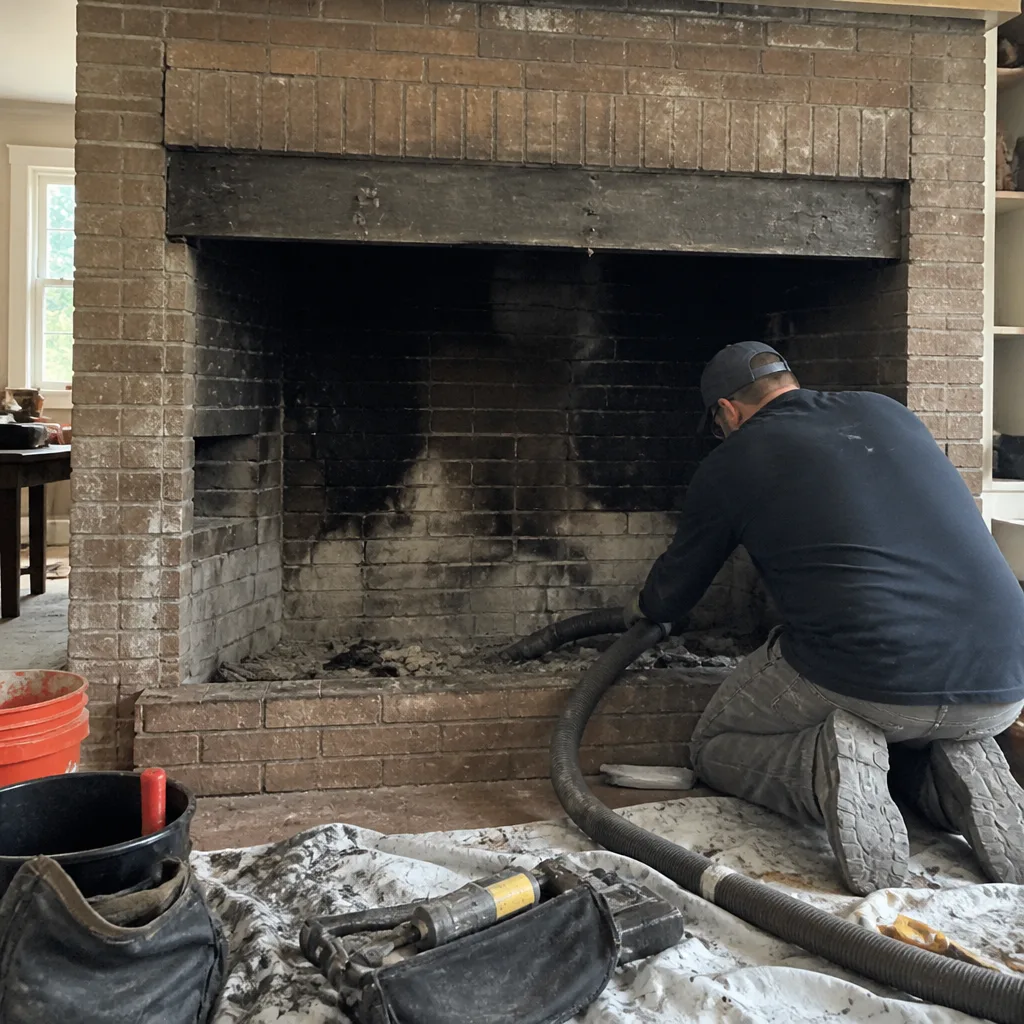 Before
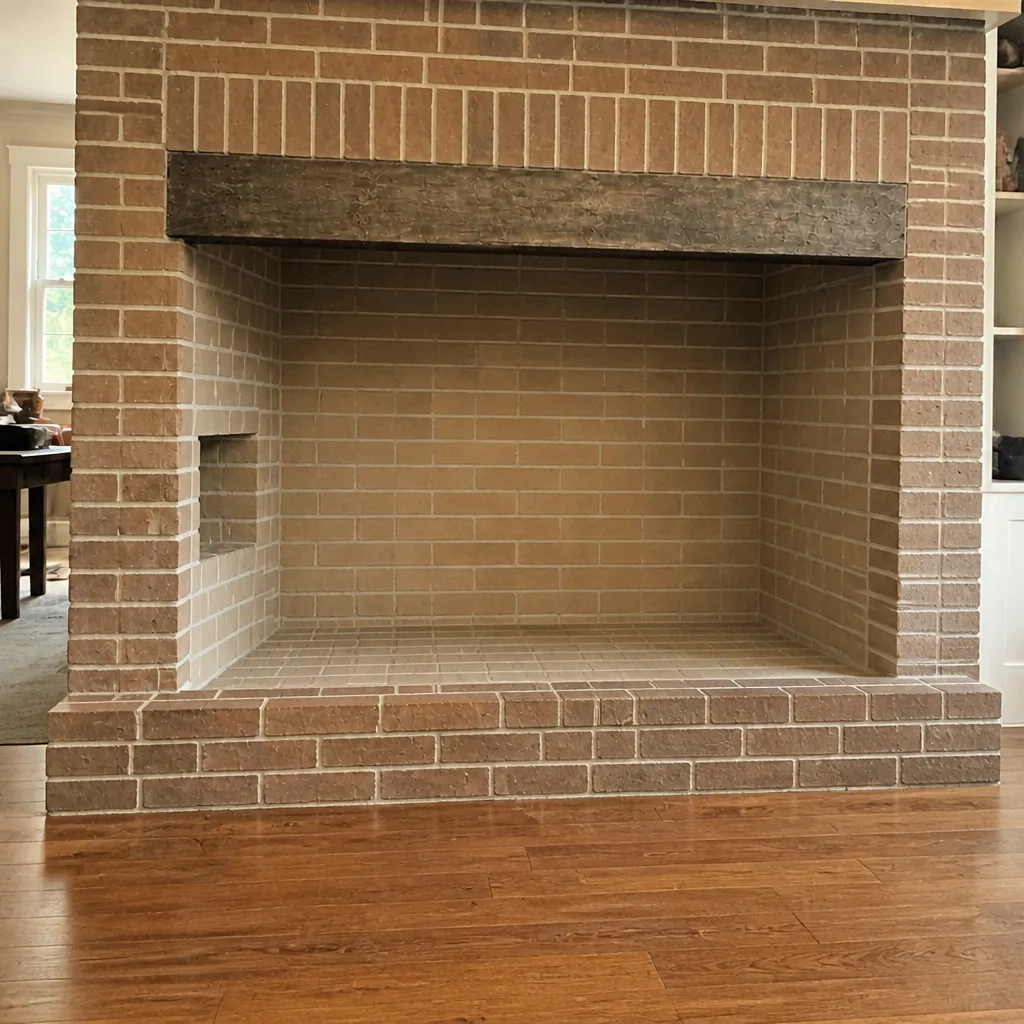 After
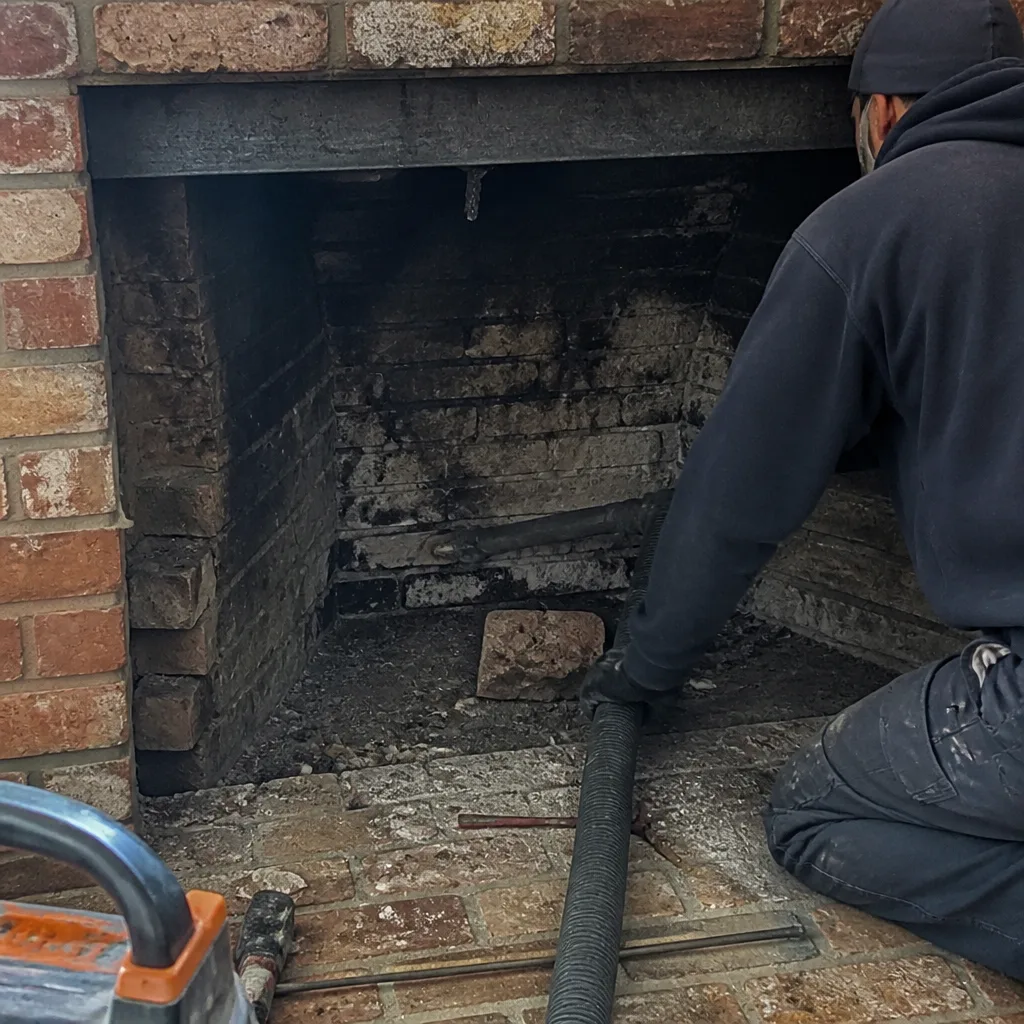 Before
 After
 Before
 After
When to Call a Professional
Call a professional if any of the following is true: you’ve never had the chimney inspected and you’re burning wood in a home older than you’re certain about; you have any glazed creosote visible at the damper or the top of the firebox; you smell smoke in the room when the fire is burning or between fires; the draft is poor or the fire smokes back into the room; you see white efflorescence or a cracked crown on the exterior; or you hear new noises from the flue when the fire is heating up. Call if a previous sweep told you “everything looks fine” without explaining what was checked or showing you any evidence. And call before the first fire of the season if you haven’t had the system looked at.
Safety is why to act. Cracked flue tiles and glazed creosote are the conditions that lead to chimney fires, and poor draft is the condition that leads to carbon monoxide in the living space. We don’t use that as a sales pitch. We tell you plainly when the work can wait and when it can’t, and the camera report lets you see it yourself. Chimney Sweep Redmond offers free estimates in Redmond. Call (855) 550-7958. We answer 24/7. Fast dispatch from 7am to 7pm, Sunday through Friday.
Frequently Asked Questions
A strong smoke or creosote smell in the room, dark soot visible at the damper or flue throat, a fire that drafts weakly, and slow ignition are the earliest reliable signs a cleaning is due. If the smell or poor draft persists after a sweep, it’s likely a draft problem rather than a cleaning problem. Call (855) 550-7958 for an exact quote. Estimates are free.
Annual inspection is the standard for any home burning wood regularly, and annual sweeping is typical for households burning through the winter. In Redmond’s long heating season, that annual cadence often makes sense even for homeowners who supplement rather than heat exclusively with wood. The inspection is where the actual interval is set, because a flue that drafts poorly builds creosote faster than a well-drafted one. Call (855) 550-7958 for an exact quote. Estimates are free.
No. A smoky smell that returns after cleaning usually points to a draft problem: negative pressure from exhaust fans, insufficient chimney height, or an oversized flue. Cleaning won’t fix any of those. The way to know is a camera inspection and a careful look at the firebox and pressure conditions in the home. Call (855) 550-7958 for an exact quote. Estimates are free.
White powdery staining is efflorescence, and it’s a sign of water moving through the masonry. The most common entry points are a cracked crown, a missing or failed cap, and eroded mortar joints. Fixing the water path at the crown and cap is what solves it; repointing without fixing the source almost always leads to it returning. Call (855) 550-7958 for an exact quote. Estimates are free.
Yes. A standalone inspection is a service in its own right, useful for home buyers, home sellers, and anyone who was told “everything looks fine” without documentation. You get a camera look at the flue, an exterior assessment of crown and cap, and a written report with photos. Call (855) 550-7958 for an exact quote. Estimates are free.
Two things can happen, and they’re different risks. Glazed creosote can ignite, causing a chimney fire that may damage the flue even if you never hear it. Poor draft or a blocked flue can send carbon monoxide into the living space. Neither risk is eliminated by burning “carefully,” because both depend on the flue’s actual condition, which you can only know from inspection. Call (855) 550-7958. We answer 24/7. Fast dispatch from 7am to 7pm, Sunday through Friday.
The Bottom Line
Chimney warning signs come in two families. The cleaning-overdue signals (smoke smell, soot at the damper, weak draft) point to the inside of the flue. The structural signals (efflorescence, cracked crown, displaced cap, liner movement) point to the flue itself, and cleaning can’t fix them. Read the two together and you’ll know which visit you actually need. In Redmond, water intrusion is the slowest and most expensive problem, and catching it at the first winter of efflorescence saves far more than an early call costs. From the firebox to the flue cap, one company can inspect, sweep, cap, reline, and repair. Call (855) 550-7958 for a free estimate. We answer 24/7. Fast dispatch from 7am to 7pm, Sunday through Friday.
Written by the team at Chimney Sweep Redmond.