
Last updated November 25, 2026
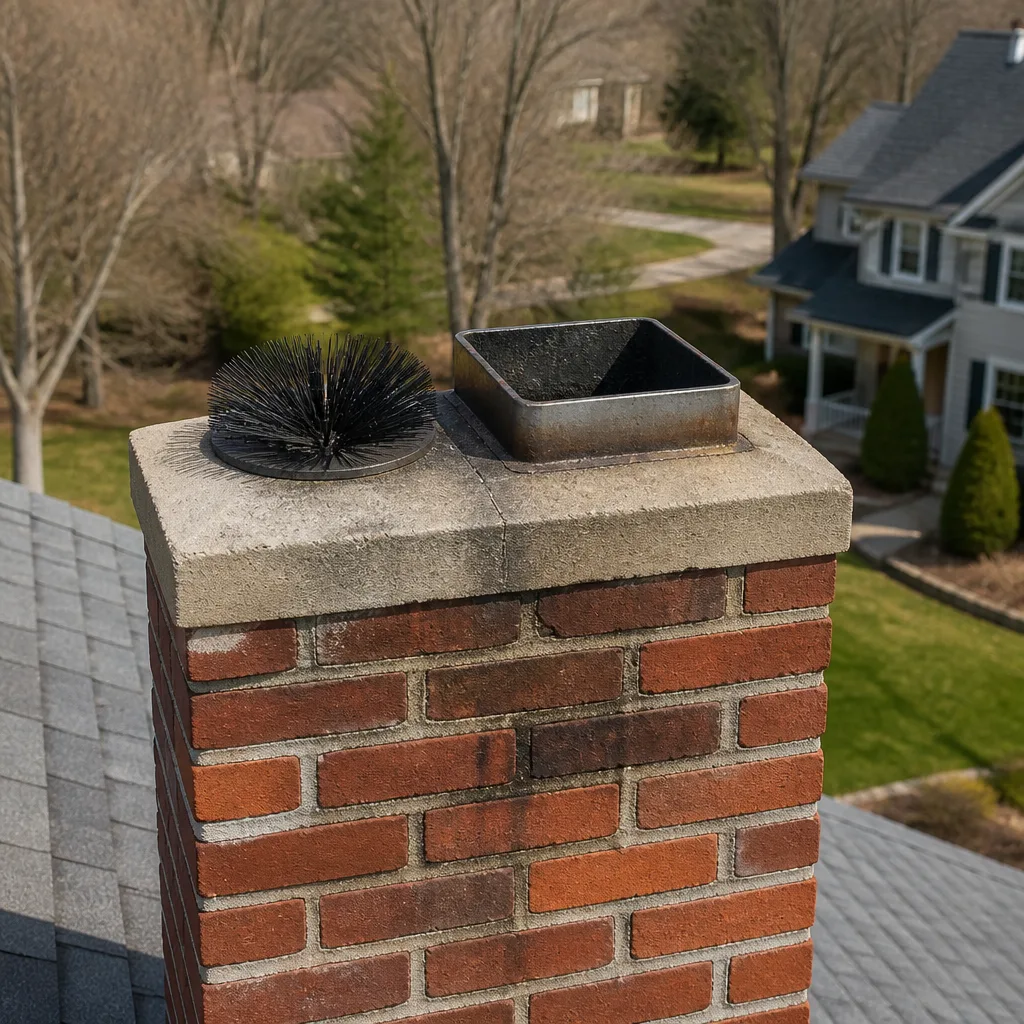 Sweep & inspection
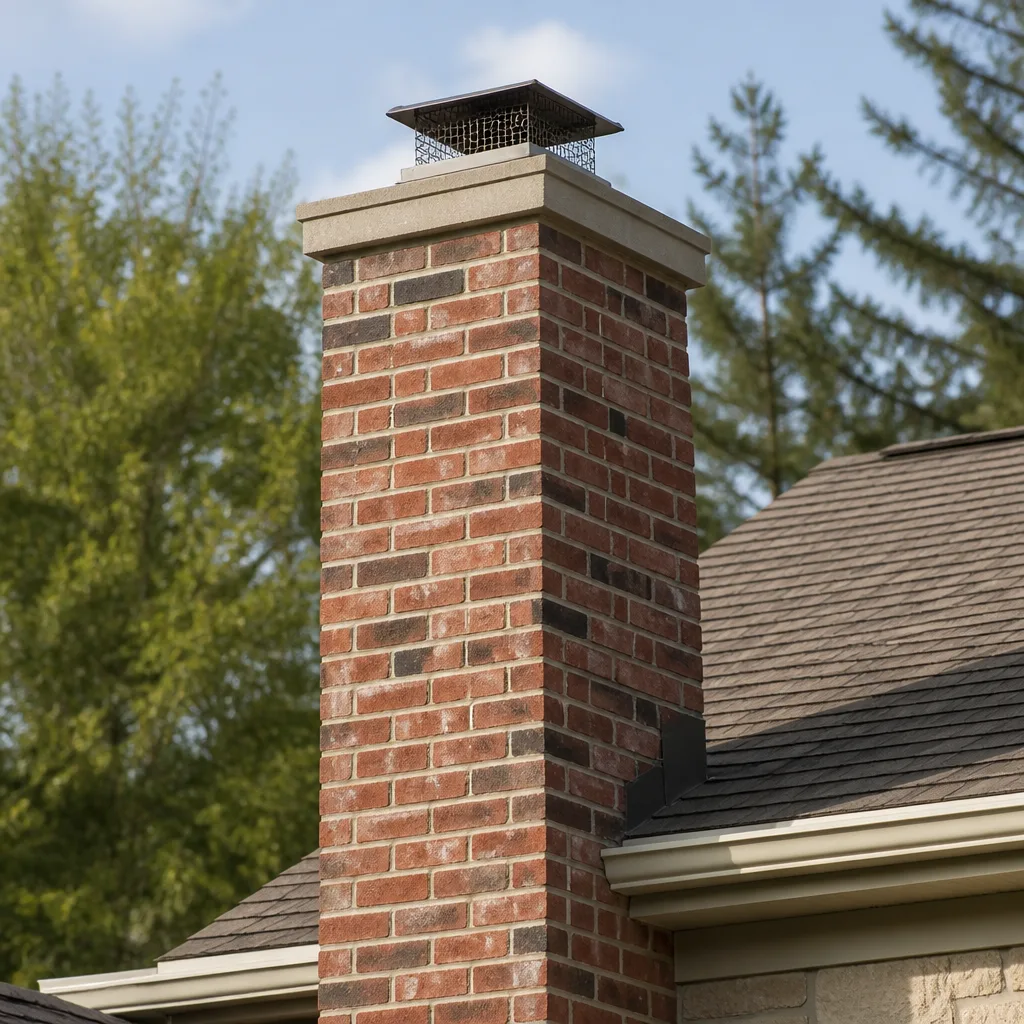 Caps & crowns
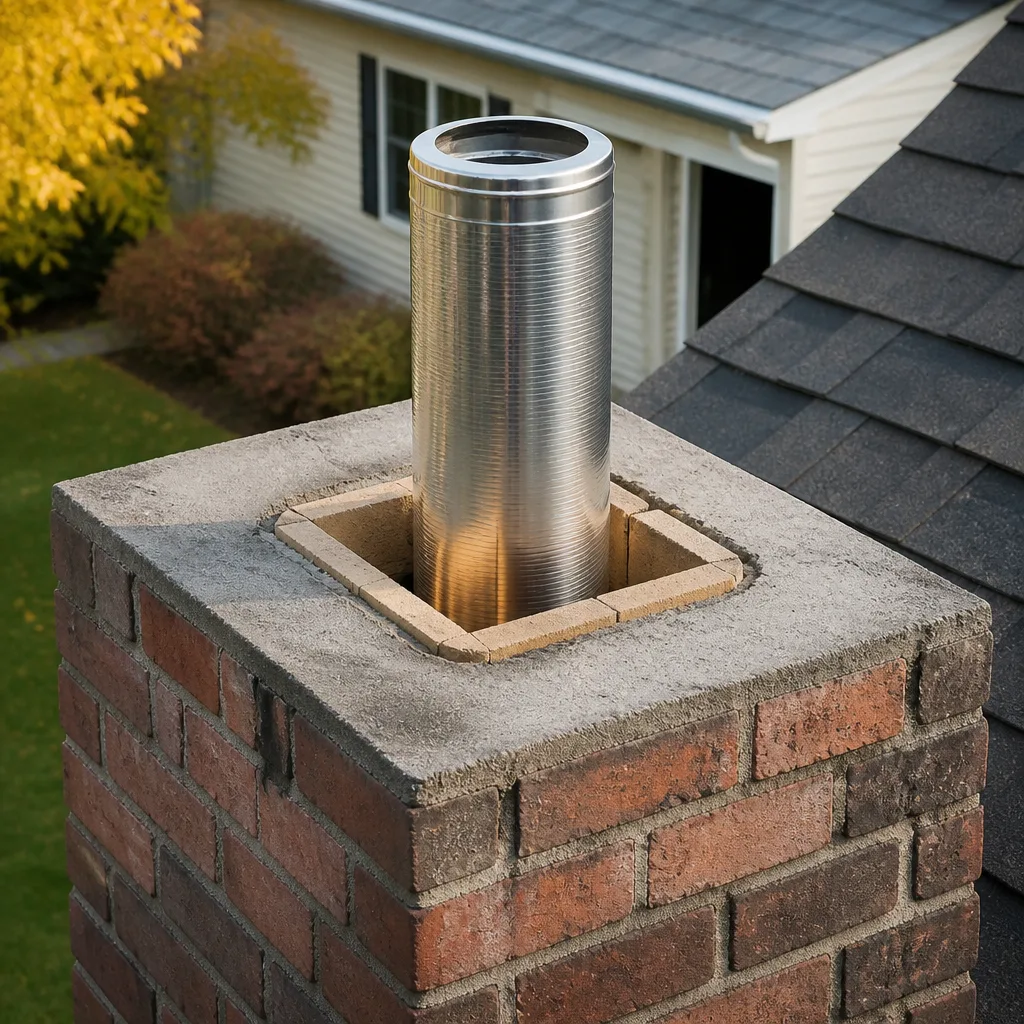 Flue relining
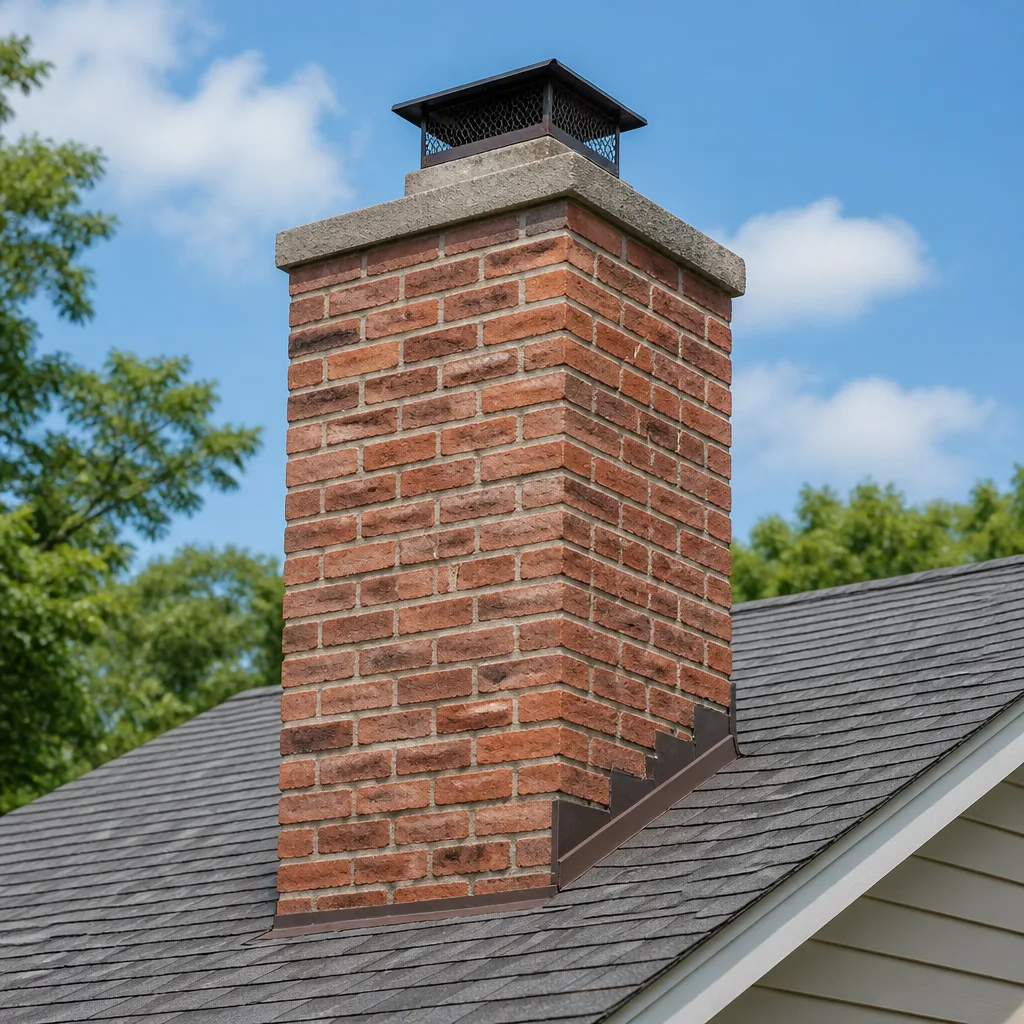 Masonry repair
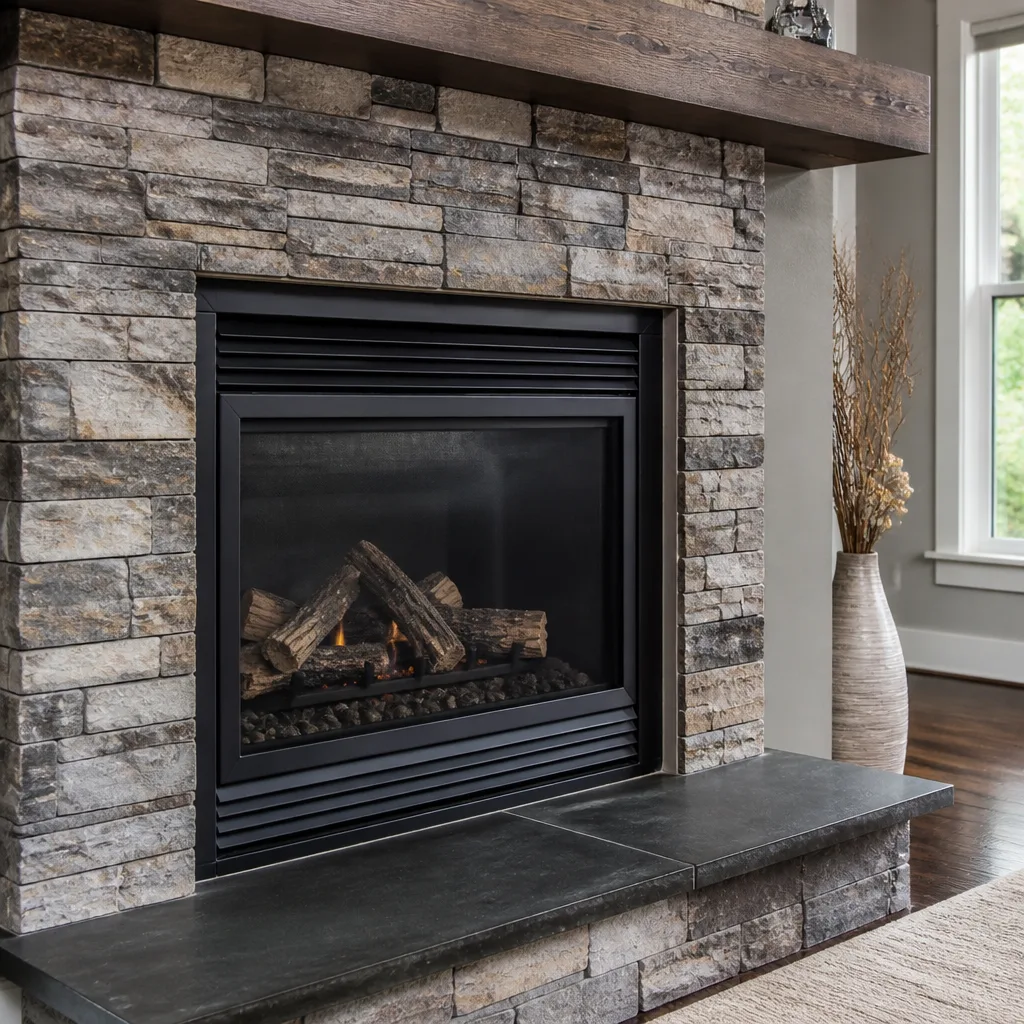 Gas fireplace service
Level 1 sweep and inspection to the NFPA 211 annual standard - flue, crown, cap, and flashing checked and photographed
Chimney sweep logs do not sweep chimneys. They loosen some creosote - which then falls where a brush and vacuum still have to collect it.
Chimney Cleaning Permits, Codes & Inspections in Redmond, WA: What You Need to Know
Most chimney work in Redmond needs no permit at all. That’s the part that surprises people. A routine cleaning, a Level 1 or Level 2 inspection, a new cap, even most crown work, typically goes forward without a trip to the city. The part that catches homeowners is what comes next. The moment a sweep says you need a new liner, a rebuilt crown, or masonry repair, you’ve crossed into permit territory in most of King County, and plenty of homeowners don’t learn that until a buyer’s inspector flags unpermitted work years later. This guide walks through which Redmond chimney services need a permit, how the state code and NFPA 211 fit together, and how to verify a repair was done to standard before you sign anything.
Quick Answer
In Redmond, routine chimney cleaning and inspection don’t require a permit, but structural work does: liner replacement, masonry rebuilds, and significant crown or chase repairs generally need a permit from the City of Redmond, and the work must meet Washington State building code and NFPA 211. A Level 2 inspection is the report that tells you whether that standard was actually met, and it’s the document you want in hand before buying or selling a home with a wood-burning chimney.
Styles & brands we work with
- Sweep & inspection
- Caps & crowns
- Flue relining
- Masonry repair
- Gas fireplace service
Table of Contents
- Which Chimney Services in Redmond Need a Permit (and Which Don’t)
- NFPA 211 and Washington State Code: How They Work Together
- What a Level 2 Inspection Surfaces, and When It’s Required
- How to Verify a Completed Chimney Repair Was Permitted and Inspected
- What “Code Compliant” Actually Means on a Quote
- Why Redmond’s Climate and Housing Stock Change the Equation
- What Chimney Work Typically Costs in Redmond
- How to Hold a Contractor to the Standard
Which Chimney Services in Redmond Need a Permit (and Which Don’t)
The cleanest way to think about it: maintenance doesn’t need a permit, and structural change usually does. Cleaning is maintenance. Relining is structural. Between those two poles sits a gray zone where the answer depends on scope, and that’s exactly where homeowners get surprised.
Here’s how the split tends to fall for Redmond properties:
- No permit typically required: routine sweeping, Level 1 and Level 2 inspections, chimney cap installation, minor crown patching, damper work, and firebox cleanup.
- Permit typically required: full liner replacement, masonry rebuilds above the roofline, chase reconstruction, converting a fireplace to a different fuel type, and installing a new wood stove or insert.
- Depends on scope: full crown replacement, flue resurfacing on a damaged liner, and repairs that alter the chimney’s footprint or height.
We always tell Redmond homeowners the same thing: ask the city before you assume. The City of Redmond’s building department is the authority on what your specific project needs, and a quick call there settles it faster than any general rule of thumb. A contractor who can’t tell you whether their work needs a permit, or worse, who shrugs it off, is telling you something about how they operate.
One more nuance. A permit isn’t a judgment on the contractor’s skill. It’s a paper trail that the work was inspected by someone with no financial stake in the outcome. When you eventually sell a Redmond home, that paper trail is worth more than any warranty language on a proposal. If you want to understand what a routine chimney sweep involves versus a permitted repair, that distinction is the place to start.
NFPA 211 and Washington State Code: How They Work Together
NFPA 211 is the national standard for chimneys, fireplaces, vents, and solid-fuel appliances. Washington State’s building code adopts much of that standard by reference, then layers on its own amendments and permitting requirements at the local level. For Redmond homeowners, the practical result is a two-part test: the work has to meet NFPA 211’s technical requirements, and it has to clear the City of Redmond’s permit and inspection process when a permit applies.
Here’s where it gets interesting, and where a lot of cheap work falls apart. NFPA 211 is very specific about clearances to combustibles, flue sizing relative to the appliance, and the condition of the flue lining. A contractor who installs a liner without checking those items against the standard may have installed something that looks fine and fails on inspection, or worse, fails silently by drafting poorly.
In our experience, this is where professional-grade materials matter. When we specify a DuraFlex flexible liner system or a HeatShield flue resurfacing job, those products carry the listings and specifications that a code official can actually verify against NFPA 211. A hardware-store liner patch doesn’t, and the difference shows up at inspection time. The same logic applies to caps and crowns sourced from Famco or Gelco rather than improvised covers. The component has a spec sheet; the code official can confirm it meets the standard.
If a contractor tells you their work “meets code” without mentioning which edition of the standard applies or how they’ll document it, push back. The Washington State building code and NFPA 211 aren’t marketing terms. They’re the yardstick your inspection will be measured against, and any reputable contractor should be able to walk you through it line by line.
What a Level 2 Inspection Surfaces, and When It’s Required
A Level 2 inspection is the most important document most Redmond homeowners will ever get about their chimney, and most have never heard of it until they need one. It goes beyond the visual check of a Level 1 by including a camera scan of the flue interior and access to concealed areas like attics and crawl spaces.
What that camera scan surfaces matters. A Level 2 inspection is designed to reveal:
- The condition of the flue lining, including cracks, gaps, and spalling in tile flues.
- Clearances to combustible materials that fall short of NFPA 211 requirements.
- Evidence of a prior chimney fire, which often leaves invisible internal damage.
- Improper previous repairs or liner installations that don’t meet code.
- Drafting problems and the underlying cause, whether it’s flue sizing or obstruction.
- Water intrusion points that have already damaged the flue or crown.
When is a Level 2 inspection legally required, as opposed to just wise? NFPA 211 calls for a Level 2 in specific circumstances: a change in the fuel type or appliance, a real estate transaction where a property with a chimney is changing hands, after a chimney fire or other event that may have damaged the system, and after an earthquake or other event likely to have caused damage. In Redmond, the real estate transaction trigger is the one that comes up most often, and it’s the one that catches sellers and buyers off guard.
We offer inspection as a standalone service for exactly this reason. A Redmond buyer who wants an independent chimney assessment before closing shouldn’t have to commit to cleaning or repair to get one. The inspection tells you what you’re actually buying. If you’re also looking at fireplace repair on a property you don’t yet own, an independent inspection first is the right order of operations.
How to Verify a Completed Chimney Repair Was Permitted and Inspected
If you’re buying a Redmond home with a wood-burning chimney, this is the section that saves you the most trouble. Unpermitted chimney work is common, and it’s easy to miss on a walkthrough. Here’s a step-by-step way to verify what was done.
- Pull the permit history for the address. The City of Redmond’s building department keeps records of issued permits. A liner replacement or masonry rebuild should show up there if it was permitted.
- Request the inspection record. A permitted job gets inspected. If the permit was pulled but no inspection was recorded, ask why.
- Get a Level 2 inspection before you close. The camera scan is what tells you whether the liner is actually intact and installed per NFPA 211. A permit on file doesn’t guarantee the work was done right, and an inspection confirms it in practice.
- Compare the invoice to the permit scope. If a permit was pulled for a liner replacement but the invoice shows masonry work, or vice versa, that’s a gap to resolve before closing.
- Ask for material documentation. Professional-grade products like DuraFlex or HeatShield carry listings that match the permit scope. If you can’t get documentation, treat the repair as unverified.
What happens if you find unpermitted work? It doesn’t automatically kill a deal, but it does change the negotiation. You’ll want a written scope to bring the chimney into compliance, and you’ll want that number before you sign. We’ve walked Redmond buyers through this exact situation; the honest answer is usually that the work can be brought up to standard, but the cost belongs on the seller’s side of the table.
What “Code Compliant” Actually Means on a Quote
Every chimney proposal in Redmond says the work will be “code compliant.” Very few of them say what that means in practice. That vagueness is worth pushing on, because the standard has teeth and the words on the page are your only protection.
When a contractor says their work is code compliant, they should be saying all of the following:
- The installation meets NFPA 211’s requirements for clearances, flue sizing, and lining condition.
- The materials used carry a listing that a code official can verify.
- The work will be inspected by the City of Redmond if a permit applies.
- Any required inspection will be scheduled and documented before final payment.
- If the work fails inspection, the contractor will correct it at their cost.
Ask for those five items in writing. A contractor who can’t put them on the proposal is telling you that “code compliant” is a word they use, not a standard they follow. In our experience, this is also the point where the difference between professional-grade materials and discount parts becomes clear. A chimney cap & crown installed from a purpose-built product line has a spec that matches the proposal; a generic cover doesn’t.
One more question to ask: what edition of NFPA 211 does the proposal reference? If a contractor can’t answer that, they aren’t working from the standard. They’re working from habit.
Why Redmond’s Climate and Housing Stock Change the Equation
Redmond’s winters are wet, and that moisture is the single biggest driver of chimney damage in this area. Unlike colder parts of the country where freeze-thaw cycling is the main enemy, the Pacific Northwest pattern is sustained dampness: rain on the crown, moisture in the flue, and moss and organic growth on masonry that stays wet for weeks at a time. That combination slowly breaks down crowns and softens mortar joints from the outside in.
The housing stock compounds it. Redmond has a wide mix of older homes and newer construction, and older chimneys often carry masonry flues that have seen decades of moisture cycling. When a flue liner cracks, the standard repair in most of the country is a reline. In Redmond’s damp conditions, it’s often a flue resurfacing with a product like HeatShield, which is a specialty many sweep-only companies can’t perform or diagnose. If a sweep tells you “everything looks fine” after a visual glance and doesn’t put a camera in the flue, you haven’t actually learned anything about the liner’s condition.
Local neighborhoods matter here too. The mature trees and shaded lots in areas like Education Hill and the Sammamish Valley keep masonry damp longer than a sunny exposure would. And the density of older properties in Redmond’s central neighborhoods means more chimneys with original crowns that have never been updated. We help homeowners across Redmond navigate exactly this kind of condition assessment, and it’s why the inspection comes before the recommendation every time.
What Chimney Work Typically Costs in Redmond
Pricing varies by the scope and condition of the chimney, so treat any figure as a typical range rather than a quote. The written estimate sets the final price, and it should specify the permit scope, the materials, and the inspection plan. For reference, here’s how chimney work in the Redmond market tends to fall:
| Service | Typical Range | Permit Needed |
|---|---|---|
| Level 1 inspection | Included with sweep, or modest standalone fee | No |
| Level 2 inspection with camera scan | Standalone service, priced per chimney | No |
| Chimney sweep | Priced per chimney and condition | No |
| Cap installation | Priced per cap and chimney style | No |
| Crown replacement | Priced by scope | Depends on scope |
| Liner replacement | Priced by height and liner type | Typically yes |
| Masonry rebuild | Priced by extent of rebuild | Typically yes |
We give exact figures only after we’ve seen the chimney, because the honest answer depends on what’s actually there. A home with a cracked crown and a sound liner is a very different project from one with a compromised flue tile and a failing chase. The estimate is free, and the number on it is the number that governs the job.
How to Hold a Contractor to the Standard
The conversation between “I need chimney work” and “the work is done right” is where most homeowners lose ground. Here’s how to keep it. Get the permit scope in writing on the proposal, not implied. Confirm the materials by name and by product line, not by vague descriptors like “premium liner.” Require the inspection be scheduled and documented before final payment. And ask for the Level 2 report after the work is complete, because a completed repair without a post-work inspection is only half a repair.
If a contractor pushes back on any of these, that’s information. It’s not about distrust; it’s about the fact that chimney work is invisible once it’s done. The only way to verify it is through documentation and a camera scan. Our technicians have up to 8 years of experience and we’ve seen both sides of this, which is why we put everything in writing and show you what we find. If you’re looking to compare what a routine Chimney Sweep Redmond visit should include, that page lays out the scope.
Common Mistakes to Avoid
- Assuming a cleaning needs a permit. It doesn’t. But assuming a relining doesn’t is where homeowners get caught. Ask the City of Redmond building department before the work starts.
- Skipping the Level 2 inspection in a home sale. A visual glance at the firebox tells you nothing about the flue interior, and the flue is where the real risk lives.
- Accepting “everything looks fine” without a camera report. If a sweep didn’t put a camera in the flue, they didn’t inspect the liner. Ask for the report.
- Buying on price alone. A quote that’s significantly lower than others usually reflects cheaper materials or skipped permits. The gap shows up later at inspection or at resale.
- Letting a contractor talk you into a reline without confirming the flue condition. HeatShield resurfacing can often address a compromised flue tile that doesn’t yet need a full reline. Get the diagnosis before the repair.
- Not pulling permit history before a Redmond purchase. Unpermitted chimney work is easy to miss, and the permit record is the fastest way to find it.
- Treating “code compliant” as a complete statement. Ask which edition of NFPA 211, which materials, and how it will be inspected. If they can’t answer, it’s a marketing line.
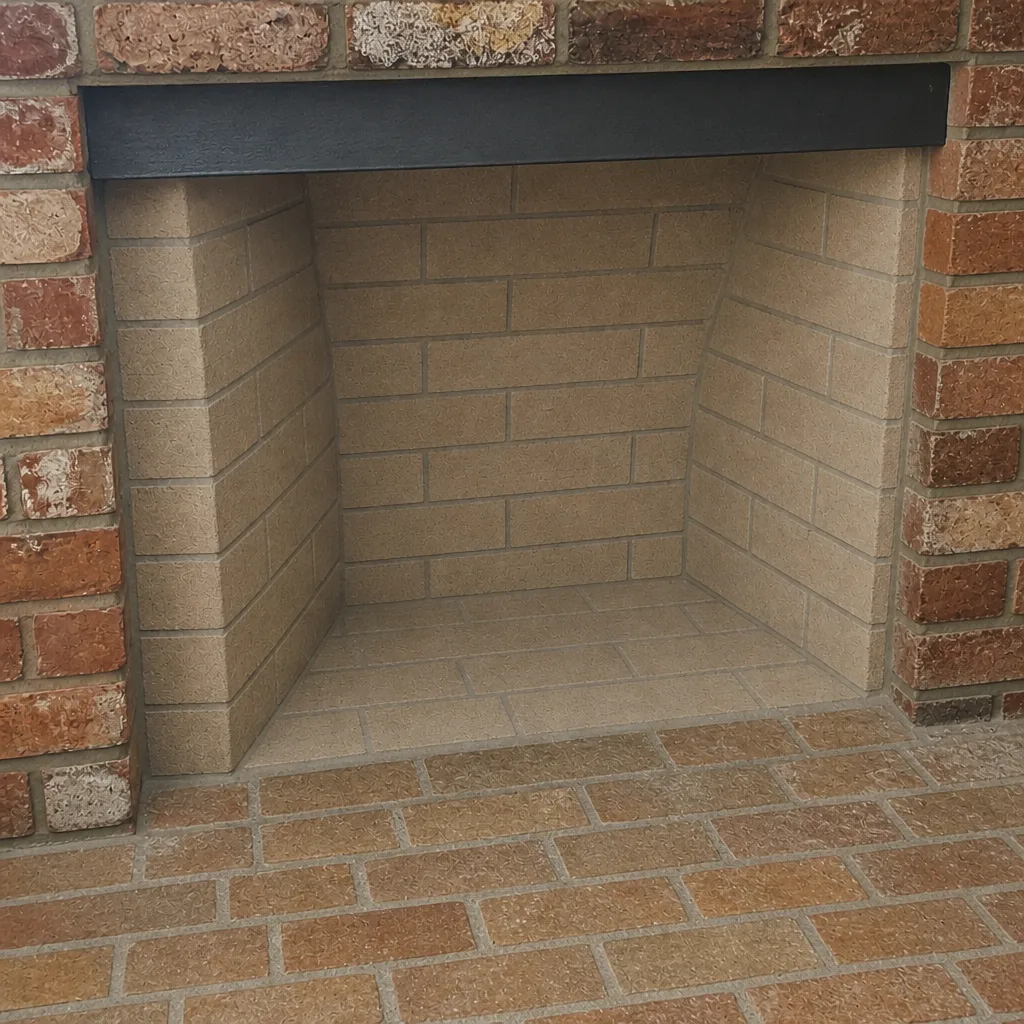
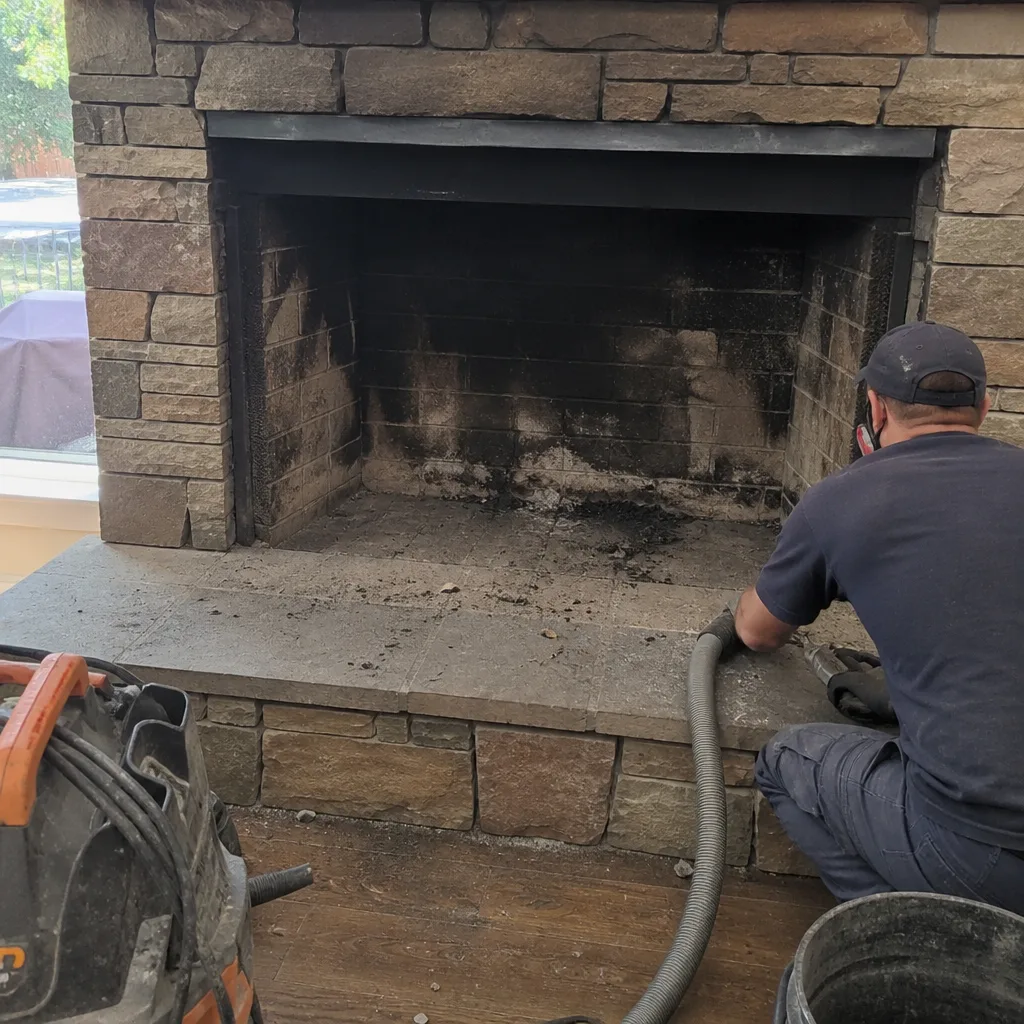
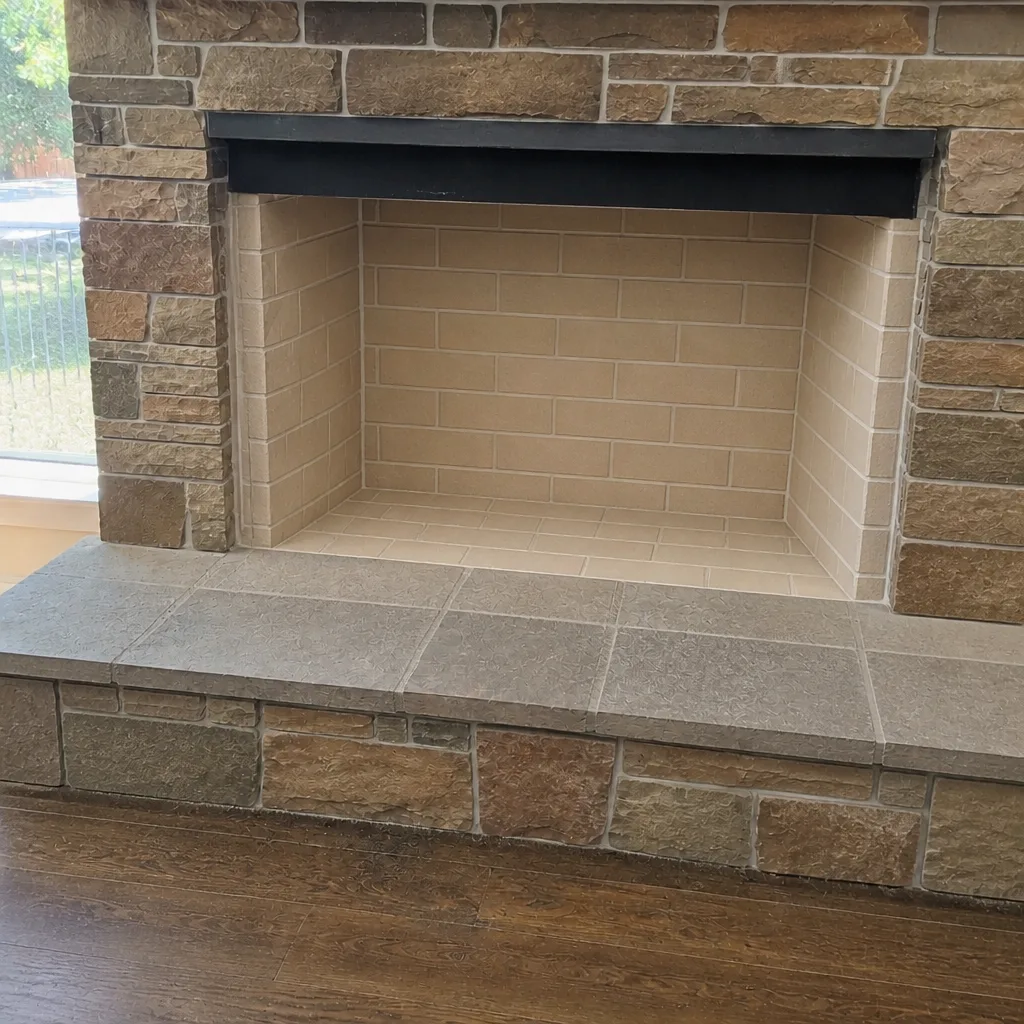
See the difference
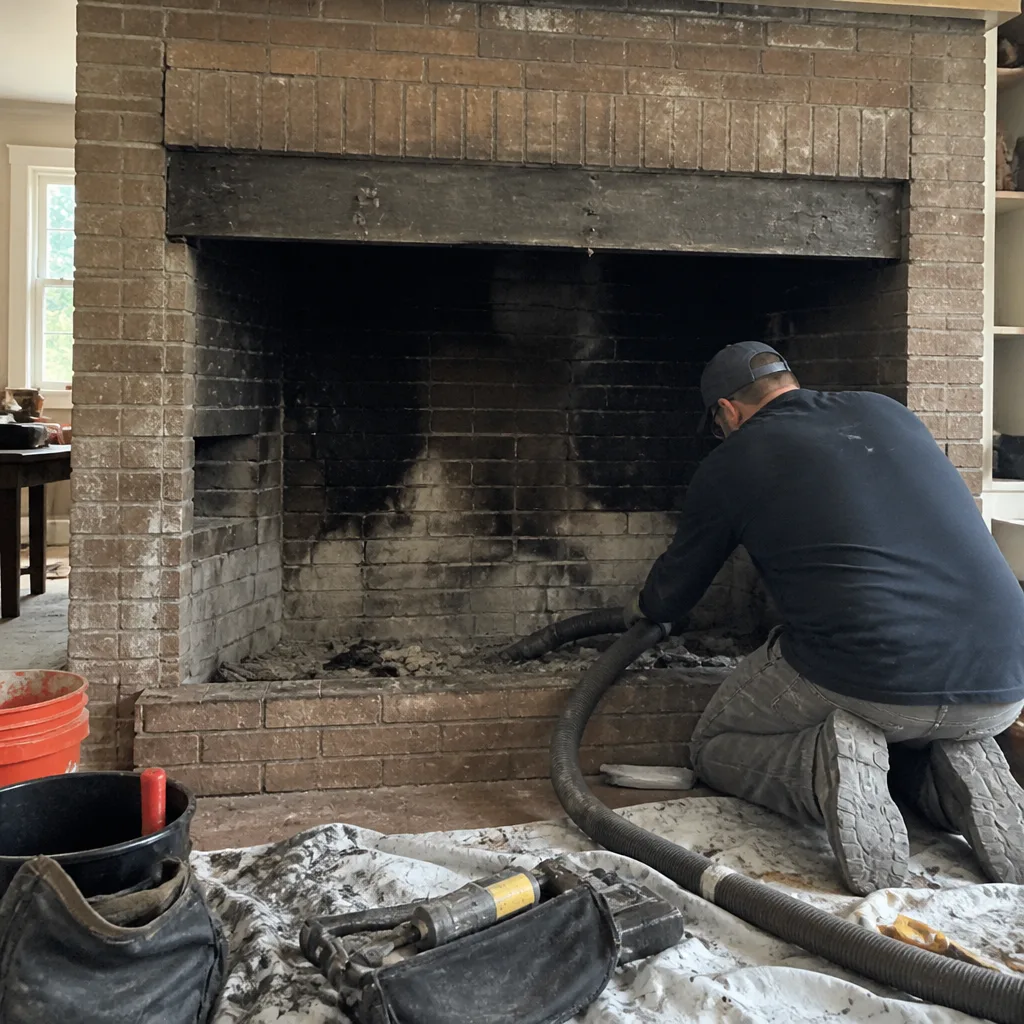 Before
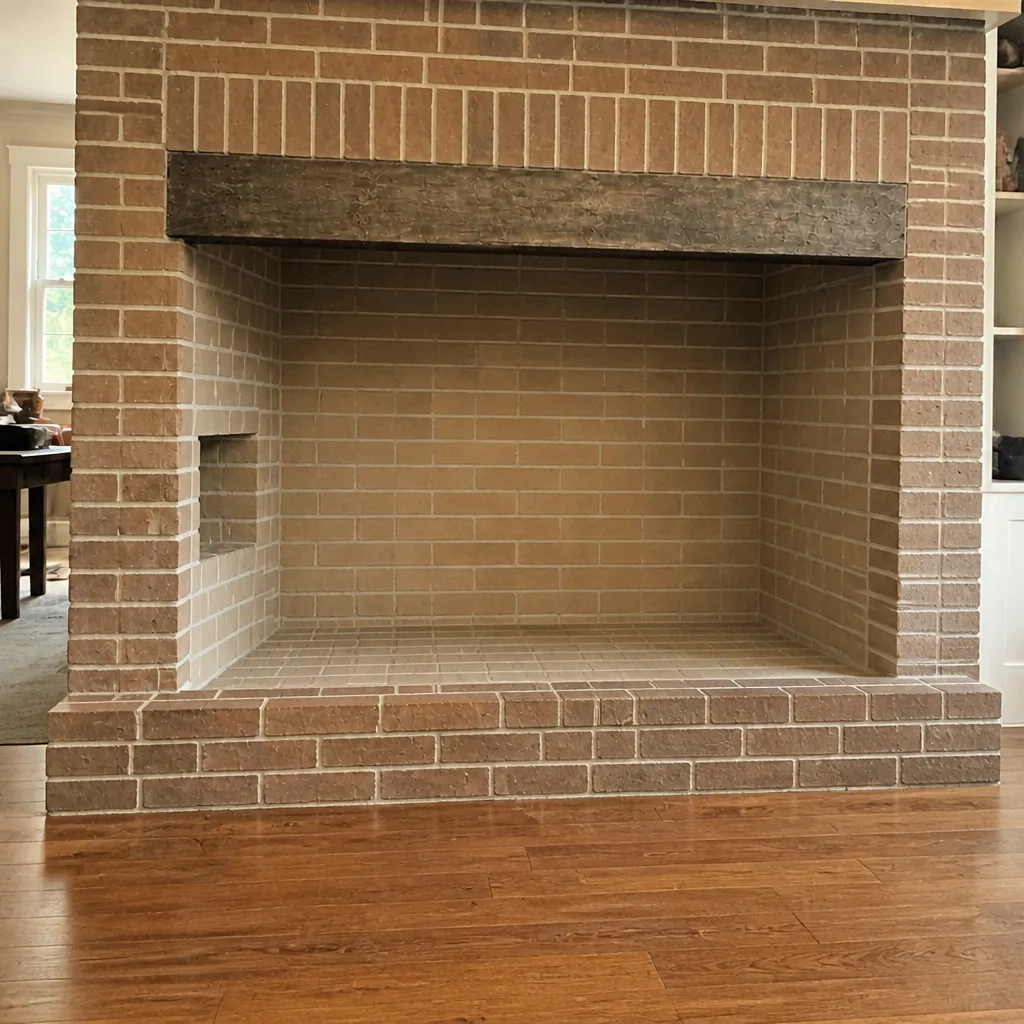 After
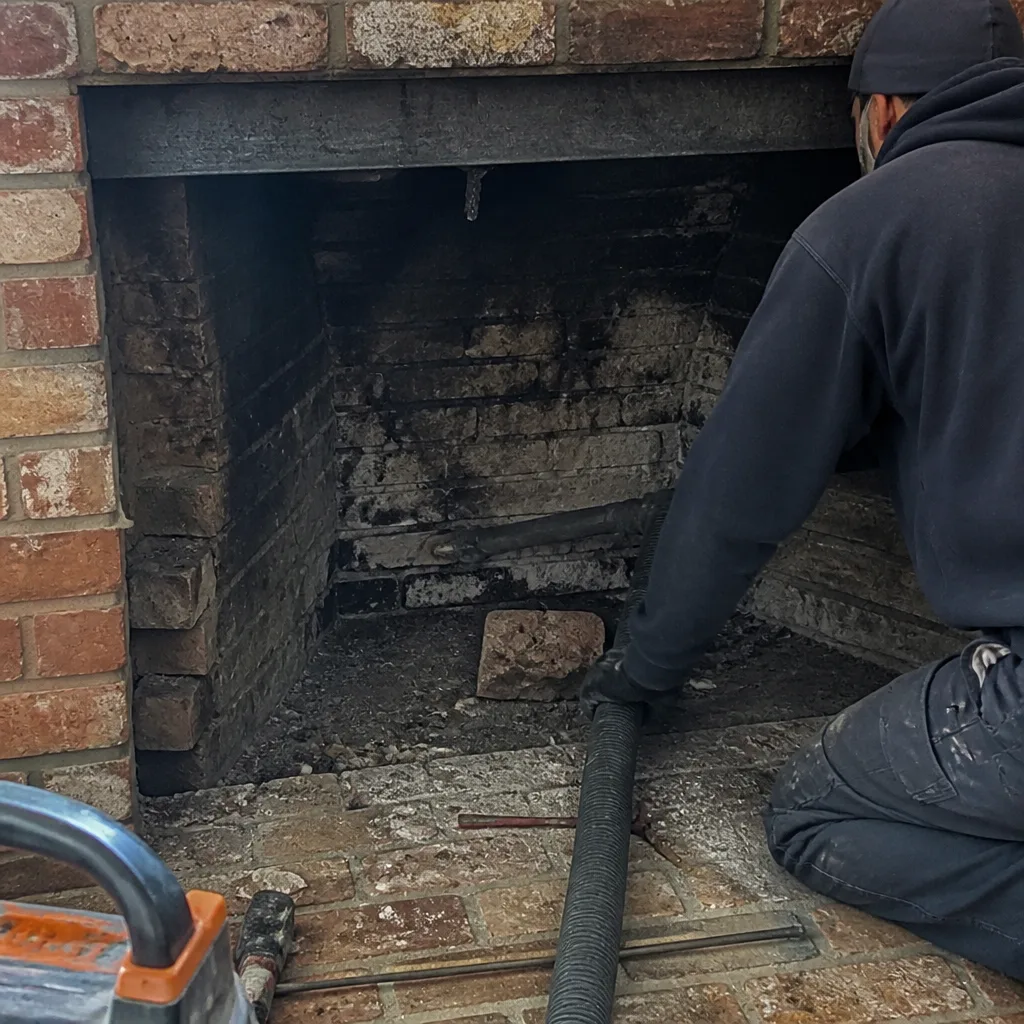 Before
 After
 Before
 After
When to Call a Professional
Call us when a home sale turns up a chimney discrepancy, when a previous sweep told you “everything looks fine” without a camera scan, or when you’re considering a liner or masonry repair and want an independent read before you commit. Call us if you’ve inherited a chimney with no records and want a Level 2 inspection to establish a baseline. Call us if you’re converting a fireplace, changing fuel type, or installing an insert and need to know whether a permit applies. And call us if the work is already done and you need to verify it was permitted and inspected. Chimney Sweep Redmond offers free estimates in Redmond, and we show you what we find so you can make the call with the report in front of you. Call (855) 550-7958. We answer 24/7. Fast dispatch from 7am to 7pm, Sunday through Friday.
Frequently Asked Questions
No. Routine chimney cleaning and a Level 1 or Level 2 inspection don’t require a permit in Redmond. Permits apply to structural work like liner replacement, masonry rebuilds, and major crown repairs. Call (855) 550-7958 for an exact quote on the cleaning or inspection you need.
In most cases, yes. Liner replacement is structural work, and the City of Redmond generally requires a permit and inspection for it. The specific requirement depends on scope, so confirm with the city’s building department before work starts. Call (855) 550-7958 if you want a scope review first; estimates are free.
NFPA 211 calls for a Level 2 inspection after a chimney fire or other event that may have damaged the system, when the fuel type or appliance changes, after an earthquake or similar event, and in a real estate transaction involving a property with a chimney. The home sale trigger is the one we see most often in Redmond. Call (855) 550-7958 to schedule a standalone inspection.
Pull the permit history from the City of Redmond’s building department and compare it to the invoices and the visible work. Then get a Level 2 inspection to confirm the flue is intact and installed to NFPA 211. If the records don’t match the work, get a written scope to bring it into compliance before closing. Call (855) 550-7958 for an independent assessment; estimates are free.
On a legitimate quote, it means the work meets NFPA 211 and Washington State code, uses listed materials, gets inspected by the City of Redmond where a permit applies, and the contractor corrects any failed inspection at their cost. If a quote uses the phrase without any of those specifics, ask for them in writing. Call (855) 550-7958 and we’ll walk you through what your quote should say.
Yes. Sustained dampness breaks down crowns and softens masonry mortar, and shaded lots around Education Hill and the Sammamish Valley keep chimneys wetter for longer. That makes crown inspection and moisture management a bigger priority here than in drier parts of the country. Call (855) 550-7958 to schedule an inspection; estimates are free.
The Bottom Line
Routine chimney cleaning in Redmond doesn’t need a permit, and structural work usually does. The line between the two is where homeowners get surprised, so confirm the permit scope before any repair starts. NFPA 211 and Washington State code set the technical standard; the City of Redmond’s inspection is how that standard gets verified. A Level 2 inspection is the document that tells you whether a completed repair is actually safe, and it’s the same document that protects you in a home sale. When a contractor says “code compliant,” make them write down what that means, which materials they’ll use, and how the work will be inspected. Then hold them to it. One company for the whole chimney, from the firebox to the flue cap, and a report you can see for yourself before you pay.
Chimney Sweep Redmond offers free estimates in Redmond on sweeping, inspection, cap and crown work, liner repair, and fireplace restoration. Call (855) 550-7958. We answer 24/7. Fast dispatch from 7am to 7pm, Sunday through Friday.
Written by the team at Chimney Sweep Redmond.