
Last updated November 25, 2026
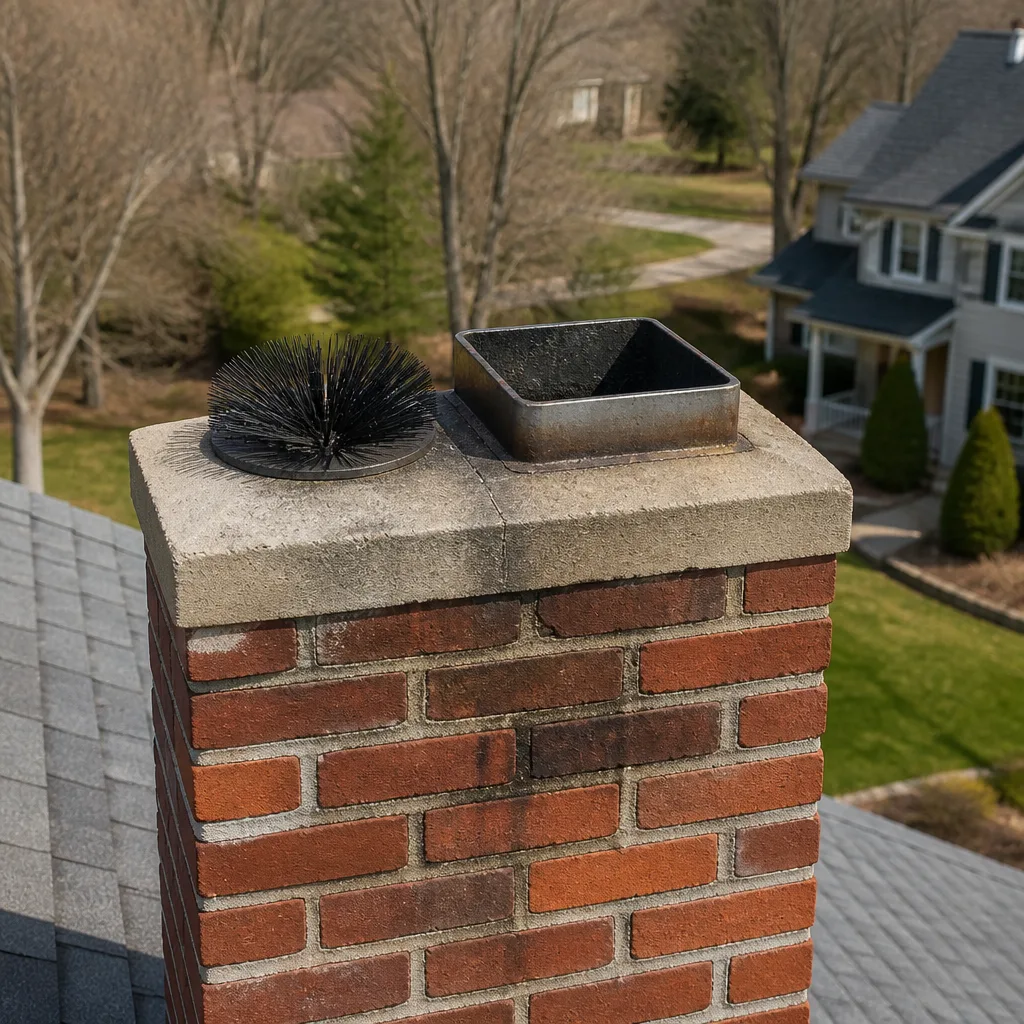 Sweep & inspection
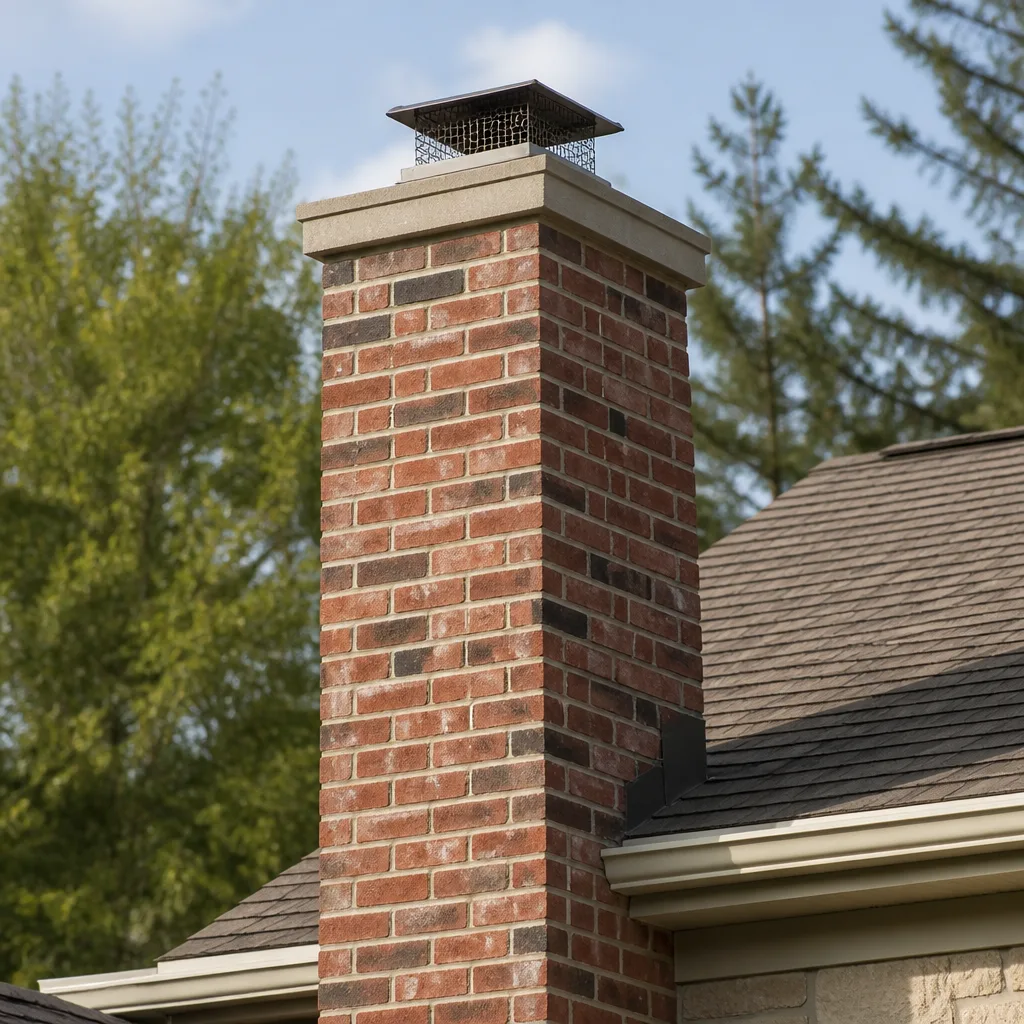 Caps & crowns
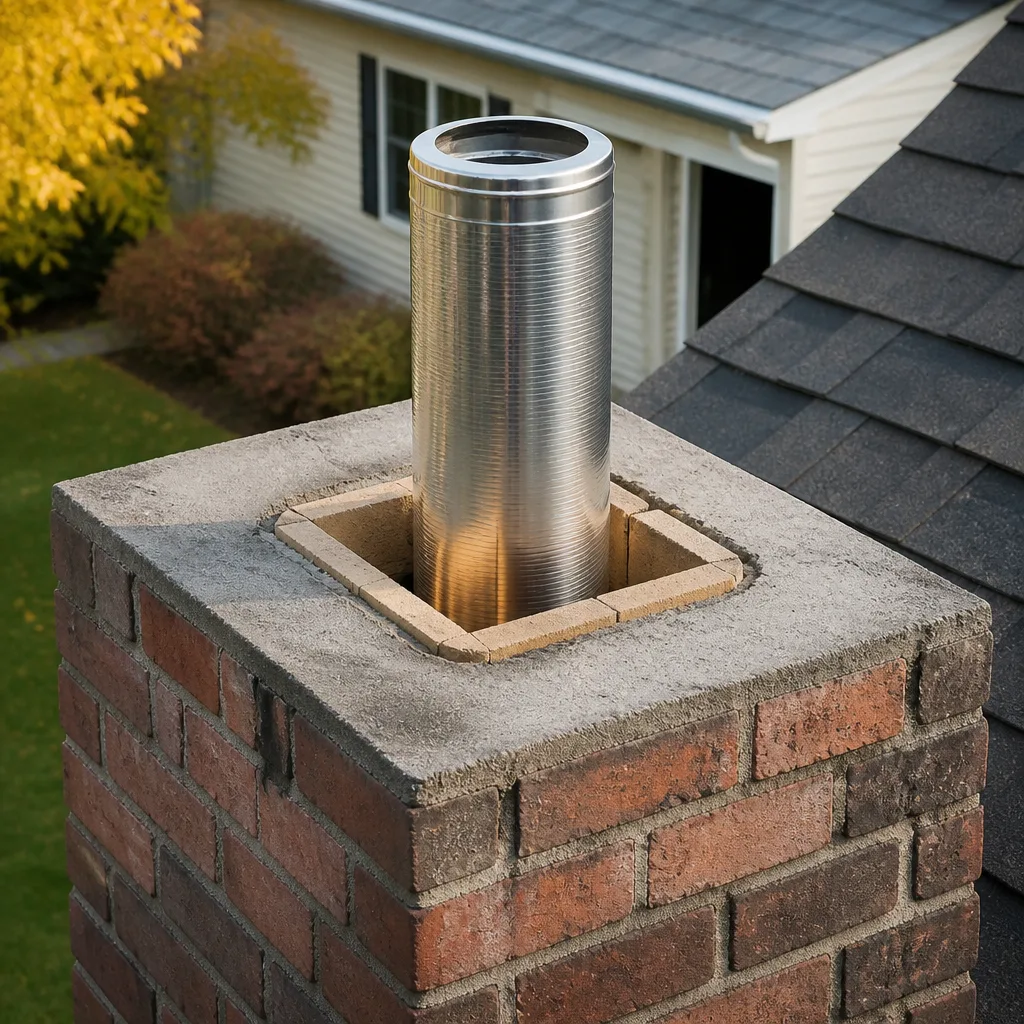 Flue relining
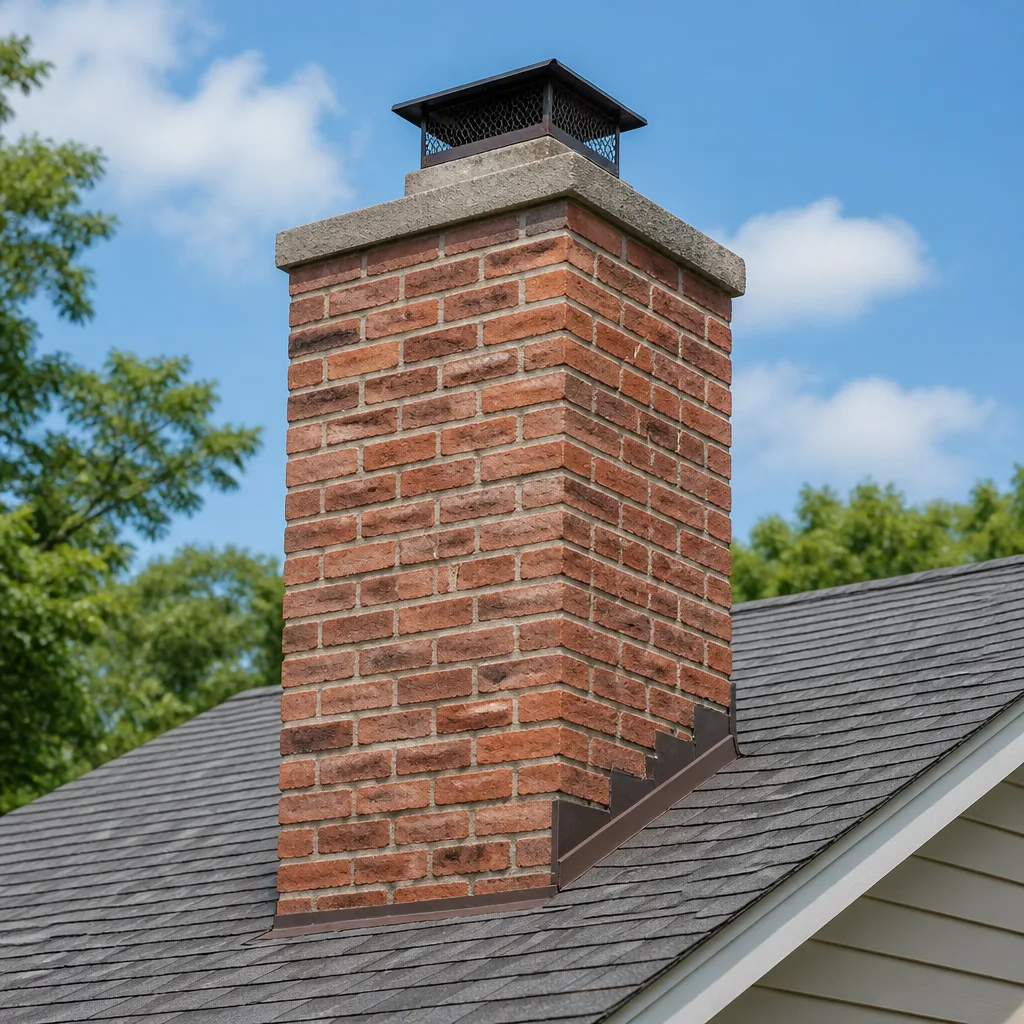 Masonry repair
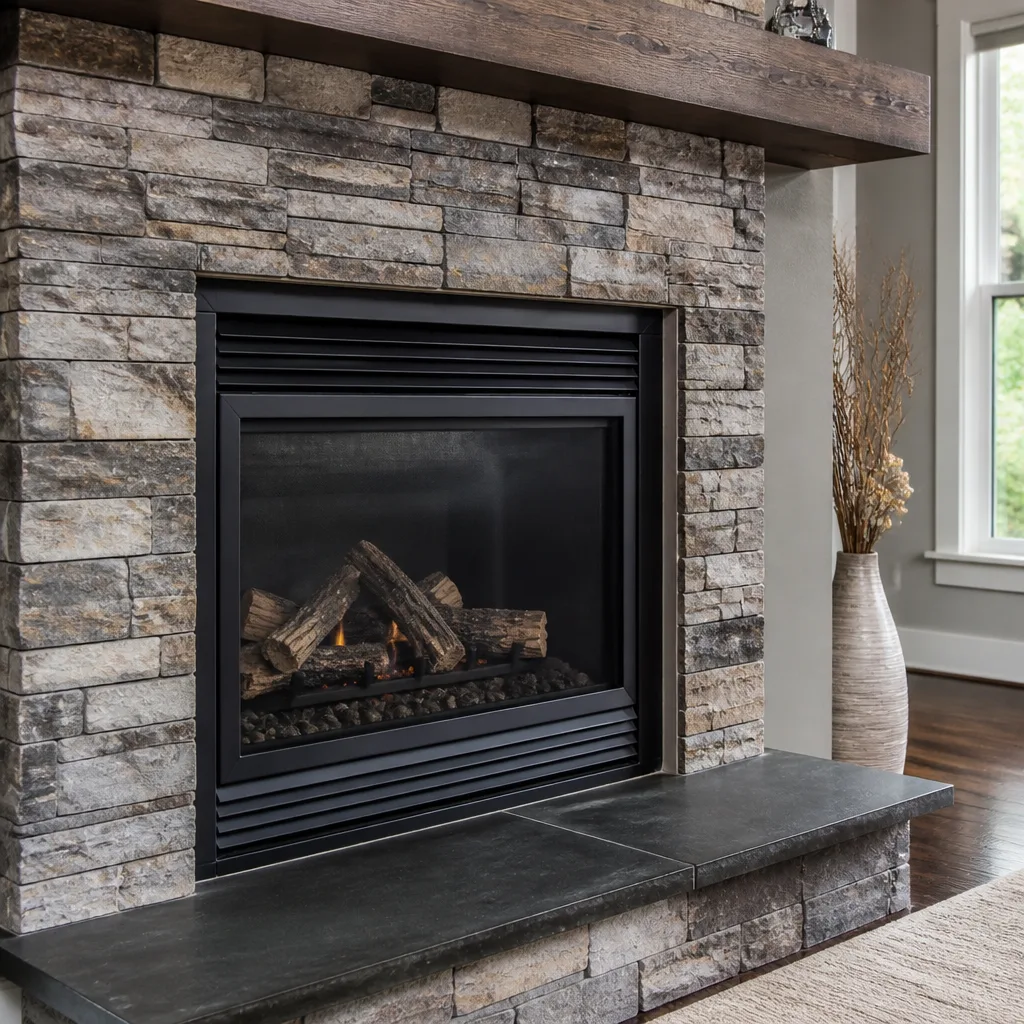 Gas fireplace service
Level 1 sweep and inspection to the NFPA 211 annual standard - flue, crown, cap, and flashing checked and photographed
Chimney sweep logs do not sweep chimneys. They loosen some creosote - which then falls where a brush and vacuum still have to collect it.
Chimney Cleaning Cost Breakdown: The Redmond Homeowner’s Reference for 2026
The cheapest chimney cleaning quote in Redmond often costs the most money by the following spring. That sounds backwards, so it’s worth explaining. A low-price model selects for speed over diagnosis. The technician who is booked tight has time to run a brush through the flue and hand you a receipt, but not the time to put a camera up the chimney and show you what’s actually happening inside it. What gets cleaned is fine. What gets missed is usually more expensive than the cleaning itself: a cracked flue tile, a crown that’s letting water into the masonry, a damper that no longer seals. In this guide we’ll walk through what chimney cleaning really costs in Redmond in 2026, what’s included versus billed as an add-on, and how to compare two quotes that look identical on paper but aren’t.
Quick Answer
A standard chimney cleaning in Redmond typically runs $150 to $350 depending on flue configuration, access, and how much creosote has built up. Add a Level 2 inspection with camera and you’re usually in the $250 to $500 range. Repairs discovered during a cleaning – liner patching, cap and crown work, damper repair, waterproofing – push the total higher, and that’s where the real price variation between companies shows up. The written estimate sets the final price, and estimates are free.
Styles & brands we work with
- Sweep & inspection
- Caps & crowns
- Flue relining
- Masonry repair
- Gas fireplace service
Table of Contents
- What a standard cleaning quote in Redmond actually includes
- Why the same cleaning costs $150 at one company and $600 at another
- Cost benchmarks for what’s commonly discovered during a cleaning
- Level 1 vs. Level 2 inspection: why the upgrade almost always pays
- How material grade changes repair pricing
- Redmond’s climate and housing stock and what they do to chimney wear
- Questions to ask before accepting a cleaning quote
- Common mistakes to avoid
- When to call a professional
- Frequently asked questions
What a standard cleaning quote in Redmond actually includes
When a Redmond homeowner calls for a chimney cleaning, the price quoted over the phone is usually for one thing: a sweep of a single flue. That’s the baseline. What that baseline includes and what it doesn’t is where quotes start to diverge, and understanding the difference before you book saves you from a surprise on the invoice.
A genuinely complete standard cleaning covers more than the brush. Here’s what we include, and what you should ask whether any quote includes:
- Full flue sweep from the firebox up through the flue, with drop cloths and a sealed vacuum to keep the room clean.
- Firebox and smoke shelf cleaning – the shelf behind the damper catches soot that a flue-only sweep leaves behind.
- Damper check – does it open, close, and seal properly? A stuck or warped damper is common in Redmond’s older homes.
- Cap inspection – is the cap intact, sized right, and sitting flush? A missing or damaged cap is the single most common entry point for water.
- Crown check – the concrete top of the chimney, where hairline cracks let water into the masonry.
- Visual flue assessment – can the technician see the full liner, and do they show you what they see?
What often gets billed as an add-on after the technician arrives: a camera inspection (usually a separate line), a cap replacement if the existing one is rusted through, damper hardware, and any waterproofing on the masonry. None of those are automatically “upsells” – they’re real work. The problem is when the initial quote pretends the cleaning is the whole job and the extras only appear once the technician is already on your roof. Ask upfront what’s included and what’s priced separately. That conversation alone filters a lot of quotes.
If you want a scope that covers the whole system, from the firebox to the flue cap, a company that handles sweeping, inspection, and repair under one roof is worth seeking out. Most Redmond homeowners don’t want three different contractors in the driveway over a two-week stretch.
Why the same cleaning costs $150 at one company and $600 at another
The spread on chimney cleaning in the Redmond market is wide, and it isn’t margin. The $150 quote and the $600 quote are often describing different jobs. Three things drive the difference: scope, equipment, and whether the company can diagnose and fix what it finds.
Scope
The low end is typically a flue-only brush down. No camera, no cap check, no crown assessment, no report. The high end includes an inspection with photos, a written summary of what was found, and a conversation about what can safely wait versus what needs attention. Both are called “a chimney cleaning.” They aren’t comparable.
Equipment and access
Chimneys on steep roofs, chimneys with unusual flue configurations, and chimneys that need a top-down sweep take more equipment and more time. A company set up for standard work might quote low over the phone and then reprice once they see the roof pitch. Ask whether the quote is firm if access is straightforward and what would change it.
Diagnosis capability
This is the biggest one. A sweep-only company can clean a chimney. A company that also installs liners, caps, crowns, and does fireplace repair can tell you what’s actually wrong and quote a fix in the same visit. That changes the economics of the visit entirely – one trip, one relationship, no referral out. For more on our full service scope, see Chimney Sweep Redmond.
Our technicians have up to 8 years of experience, and in that time we’ve seen the pattern repeat in Redmond: the cheap cleaning that missed the cracked crown in October becomes a masonry repair in April. The cleaning isn’t really what you’re paying for. You’re paying for someone to climb up there and tell you the truth about what they found.
Cost benchmarks for what’s commonly discovered during a cleaning
Most Redmond chimney cleanings come back clean. But when something turns up, it’s usually one of five items. Here are typical 2026 ranges for the Redmond market. These are estimates; the written estimate after an in-person look sets the final price.
- Liner patching (HeatShield flue resurfacing): $400 to $1,200 depending on the extent of the damage and how many sections of flue tile need resurfacing. This is for structurally compromised tiles that can be salvaged rather than fully relined.
- Cap replacement: $250 to $600 installed, depending on chimney size and cap material. We install Gelco and Famco caps sized to the flue – purpose-built, not a generic cover.
- Damper repair or replacement: $200 to $500 depending on whether the existing damper can be serviced or needs to be replaced with a top-sealing unit.
- Chimney waterproofing: $400 to $900 applied to the exterior masonry, typically recommended when we see failing mortar or signs of water tracking into the flue.
- Full reline (DuraFlex flexible liner): $2,500 to $6,000 depending on flue height, configuration, and liner diameter. This is the big one – the only item on the list that’s a system replacement rather than a repair. It’s also the one worth getting a second opinion on if a quote feels aggressive.
A word on the water problem specifically: Redmond gets significant annual rainfall, and most of it hits the chimney from the top. A failed crown or missing cap lets water into the masonry, and the freeze-thaw cycle over a Redmond winter turns that water into a repair job. Cap and crown work is preventive, and it’s the cheapest thing on this list when done early. See our chimney cap & crown work if a cap or crown issue comes up.
If you suspect a liner problem, ask for a camera view. Nothing gets recommended without photographic evidence you can look at yourself, and if the work can safely wait, we’ll tell you.
Level 1 vs. Level 2 inspection: why the upgrade almost always pays
The difference between a Level 1 and Level 2 inspection is access. A Level 1 is a visual check of all accessible parts of the chimney and venting with the standard tools – no camera. A Level 2 adds a video scan of the flue interior and access to areas blocked by the standard view, including the attic and crawl space where the chimney passes through.
For Redmond homeowners, the Level 2 upgrade is almost always worth it in three situations: a first visit to a chimney you don’t have history with, a change in fuel type or appliance, and any time there’s been a chimney fire, a seismic event, or a prolonged period with no use.
Why the upgrade pays:
- You see the flue. A camera catches cracked tiles, gaps at the joints, and debris the naked eye can’t reach. Without the camera, a “looks fine” assessment only covers what’s visible from the firebox and the roof.
- You get a baseline. If the chimney is in good shape now, the inspection documented it. That record is useful when you sell the home or when a future technician asks what the flue looked like last year.
- It prevents expensive surprises. A small joist-side gap or a hairline tile crack caught at inspection is a patch. The same issue caught after a chimney fire or a season of use is a reline.
- It’s essential for a real-estate transaction. If you’re buying or selling a Redmond home, an independent chimney assessment without committing to cleaning or repair is often what both sides actually need.
The price difference between Level 1 and Level 2 is usually modest – a fraction of what a liner repair runs. On a first visit, it’s the best money on the invoice.
How material grade changes repair pricing
A reline quote from one company at $2,800 and another at $5,500 is a startling spread. Material grade explains most of it. The liner is the single most important part of the chimney system – the part that carries combustion gases out of the house and the part that fails catastrophically if it fails at all – and not all liners are built to the same standard.
Contractor-grade liners sold through retail channels are thinner, more susceptible to corrosion from flue gases, and often less precise in how they’re sized to a specific flue. Professional-grade systems we install – DuraFlex flexible liner systems, sourced through Olympia Chimney and Copperfield – are built for the loads a wood-burning appliance actually generates. They cost more. They also last longer, seal better, and are the grade specified by certified chimney engineers rather than the hardware-store substitute.
The same logic applies to the smaller repairs. A generic chimney cap off the shelf at a home center isn’t sized for your flue and won’t seal like a Gelco or Famco cap built for that purpose. A tube of masonry caulk over a cracked crown isn’t the same as a properly formed crown repair. The price gap between professional-grade and contractor-grade is real, and it’s worth understanding before you take the cheaper quote.
Here’s the honest framing: better materials cost more upfront and cost less over the life of the chimney. If you’re comparing two liner quotes, ask what grade liner is being installed and who supplies it. If the answer is vague, the quote isn’t complete. For repair work, ask whether HeatShield flue resurfacing is an option before a full reline is recommended – it’s a specialist method for structurally compromised tiles that many sweep-only companies can’t perform or even diagnose.
Redmond’s climate and housing stock and what they do to chimney wear
A Redmond chimney ages differently than a chimney in a dry climate, and the cost of upkeep reflects that. The Pacific Northwest pattern is wet winters, mild the rest of the year, and enough freeze-thaw cycling in January and February to work on any moisture that gets into the masonry. That’s why Redmond chimneys tend to fail from the top down: cap first, then crown, then the mortar joints, then the flue tiles behind them.
Housing stock matters too. Redmond has a mix of older homes with original masonry chimneys and newer construction with factory-built fireplace systems. The older masonry chimneys are the ones that show crown cracking and spalling mortar sooner, simply because they’ve been through more winters. The factory-built systems have their own wear patterns – failing gaskets, degrading insulation, and liners that need replacement on a known service life. Both types reward the same thing: being looked at before the damage compounds.
What this means for pricing: a Redmond homeowner is more likely than a homeowner in a drier market to hear “cap and crown” during a cleaning. That’s not an upsell; it’s the climate at work. Water is the enemy of a masonry chimney, and Redmond delivers a lot of it. If your chimney has no cap, that alone is worth addressing. Our fireplace repair work also runs into this – a damper that’s rusted because water got in is a fireplace problem that started on the roof.
Questions to ask before accepting a cleaning quote
The goal of these questions isn’t to catch a company out. It’s to make two quotes genuinely comparable before you pick one. A company that answers all of these clearly is worth considering even at a higher price; a company that deflects is telling you something too.
- What’s included in the quoted price? Full flue sweep, firebox and smoke shelf, damper check, cap and crown visual, and a written report? Or just the brush through the flue?
- Is the inspection a Level 1 or a Level 2, and is the camera included? If not included, what does the upgrade cost?
- Will I see photos of what you find? A technician who can’t or won’t show you the flue is asking you to take their word for it. Ask for the images.
- Is the quote firm if access is straightforward, and what would change it? A quote that shifts after the technician sees the roof pitch isn’t a quote.
- Can you also handle the repair if something turns up? If the answer is no, you’ll be sourcing a second contractor and a second visit. A company that does sweeping, inspection, cap and crown, liner repair, and fireplace restoration under one roof avoids that.
- What grade materials do you install? Ask specifically. If a reline or cap replacement is on the table, ask what product and who supplies it.
- Is the estimate free and in writing? It should be. Estimates are free, and the written estimate sets the final price.
Run through those seven questions with any quote and you’ll learn more than the price tells you. If you’d like to run through them with us, call (855) 550-7958. We answer 24/7. Fast dispatch from 7am to 7pm, Sunday through Friday.
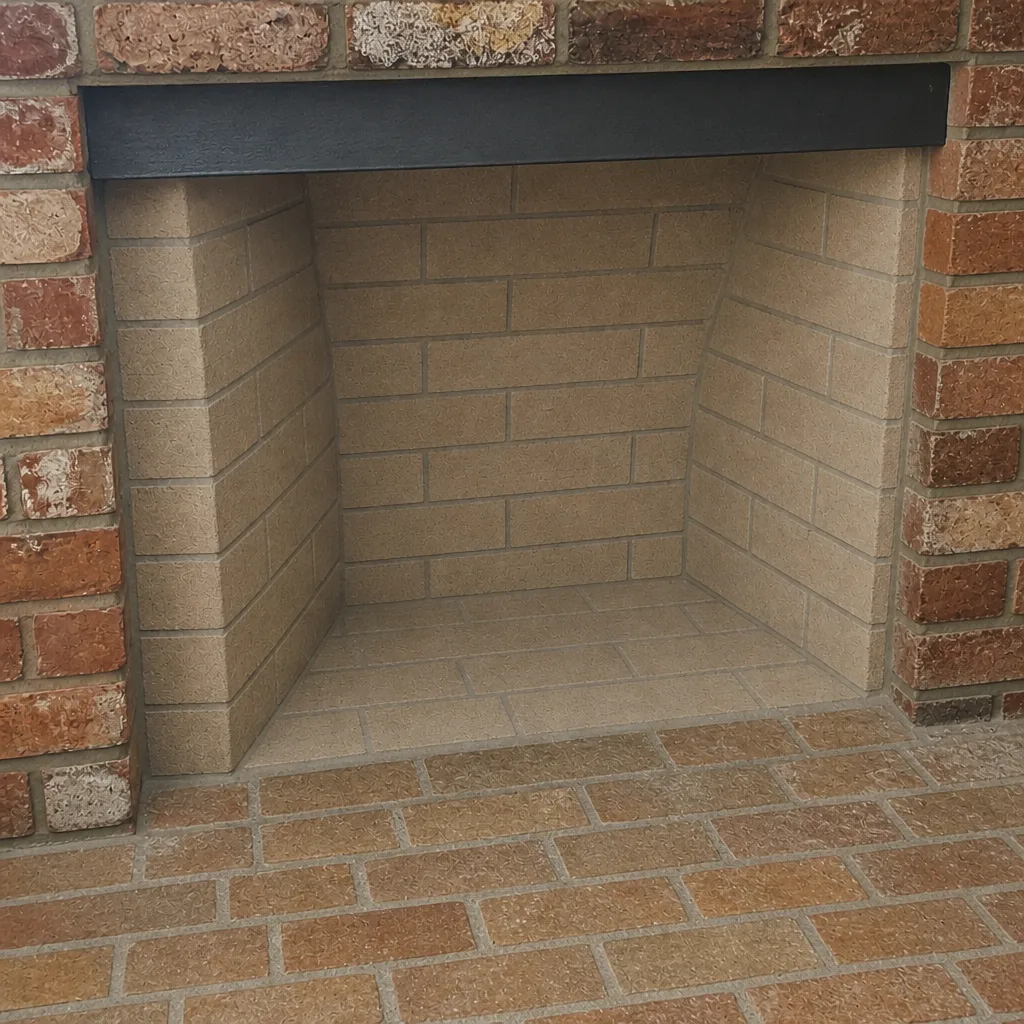
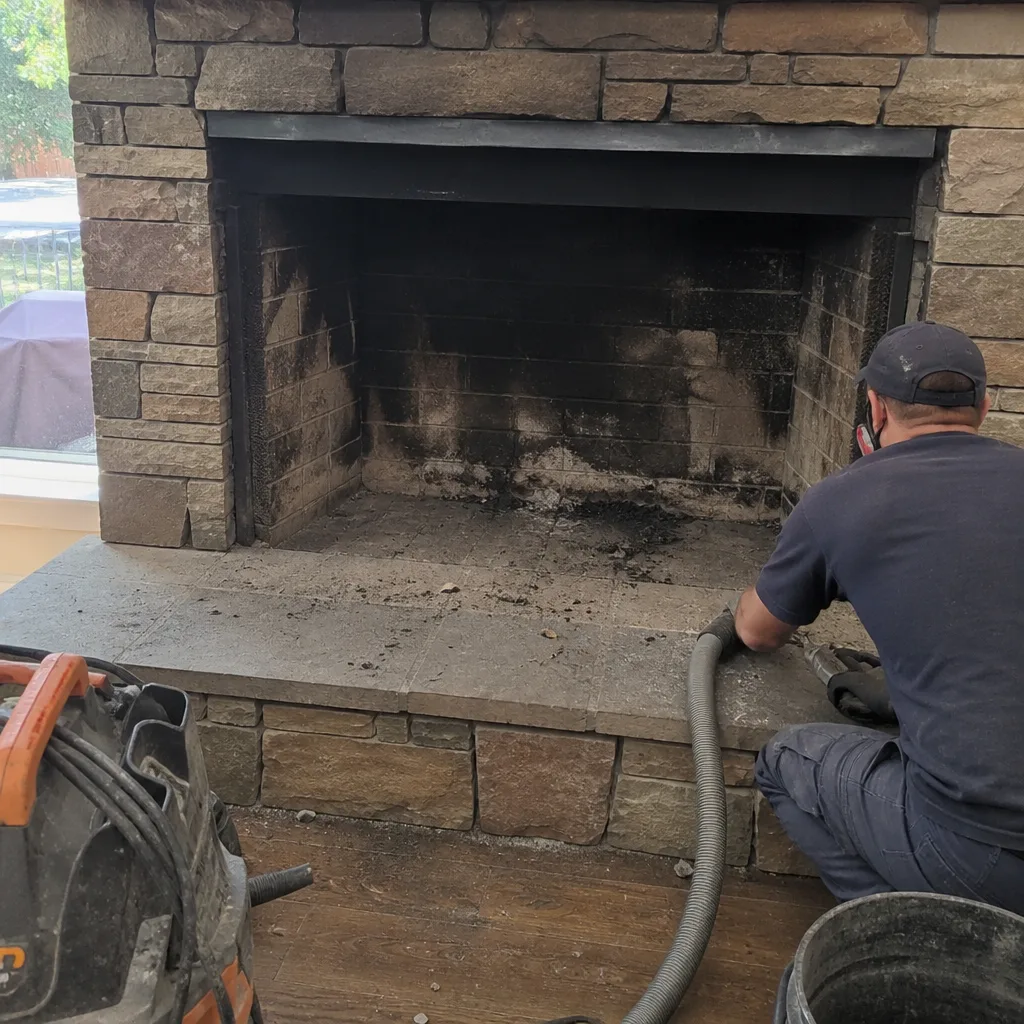
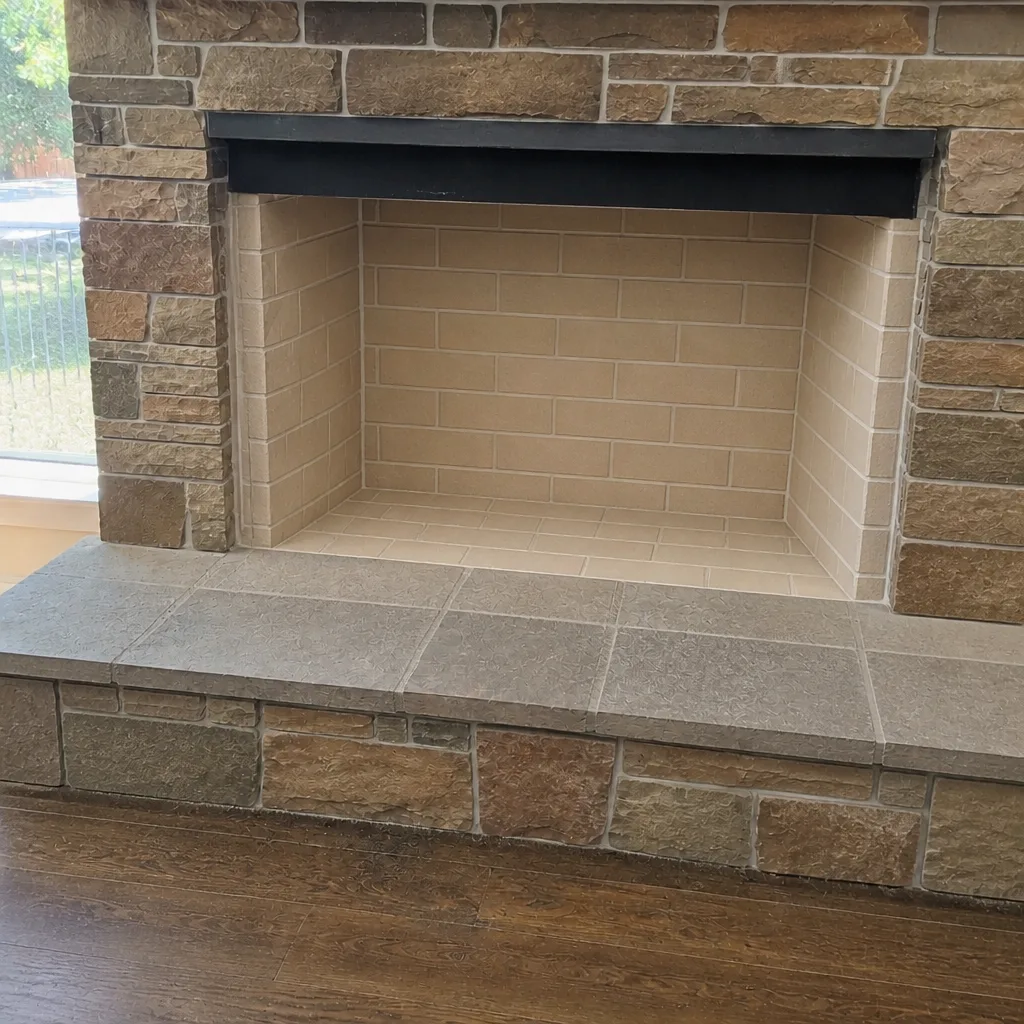
See the difference
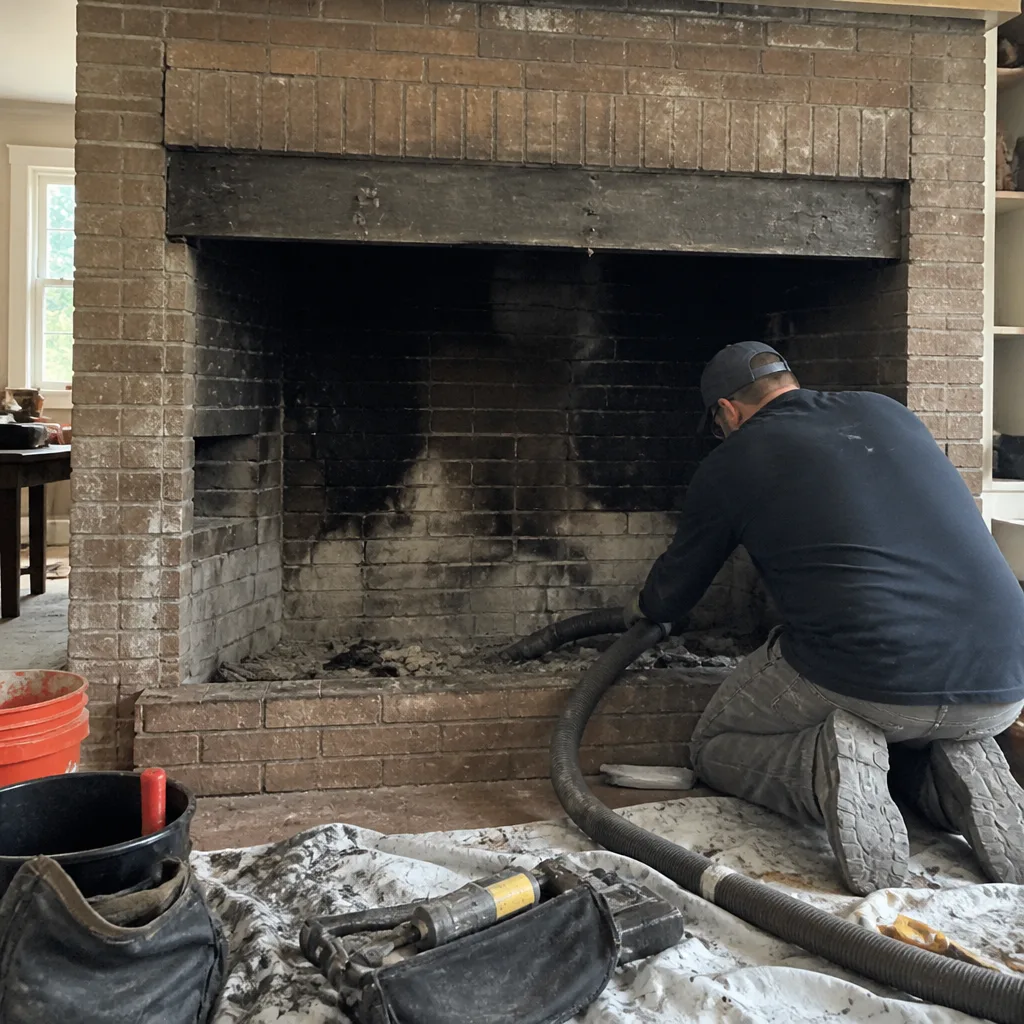 Before
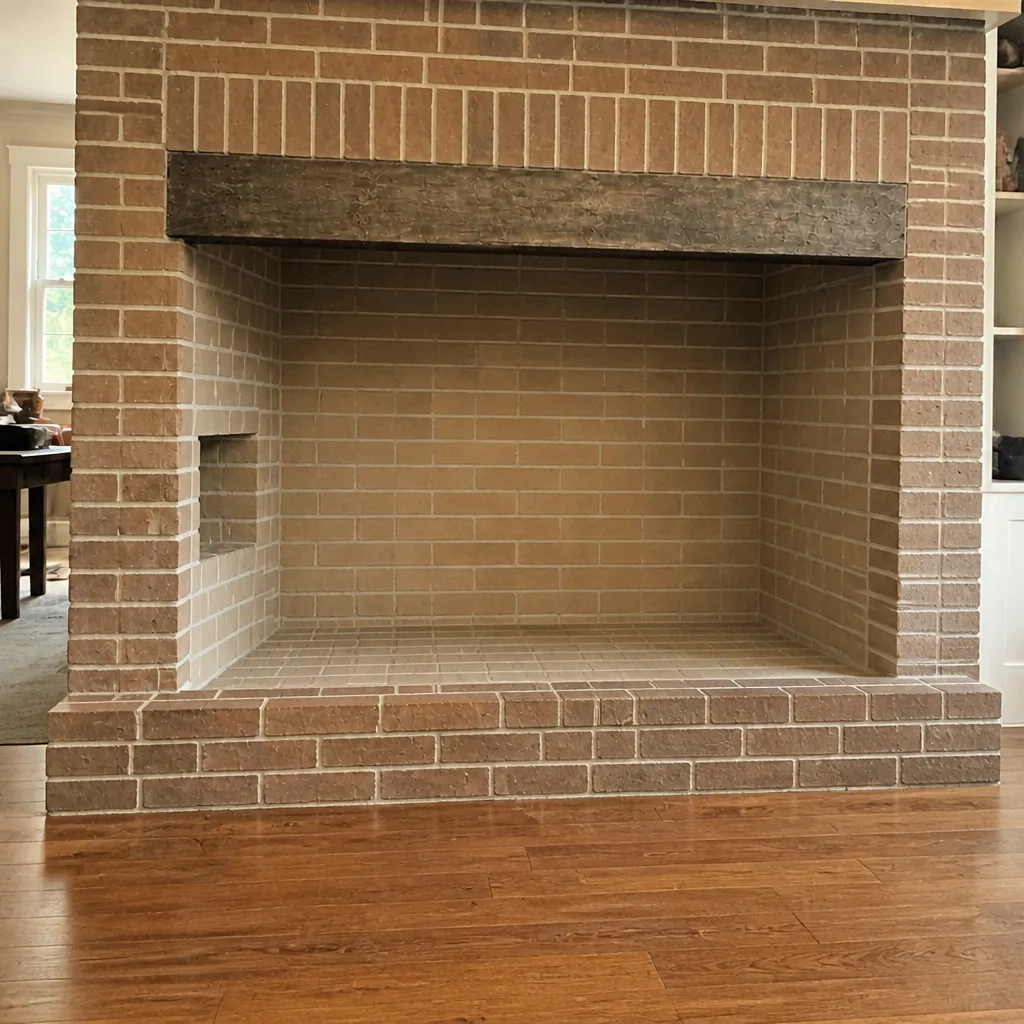 After
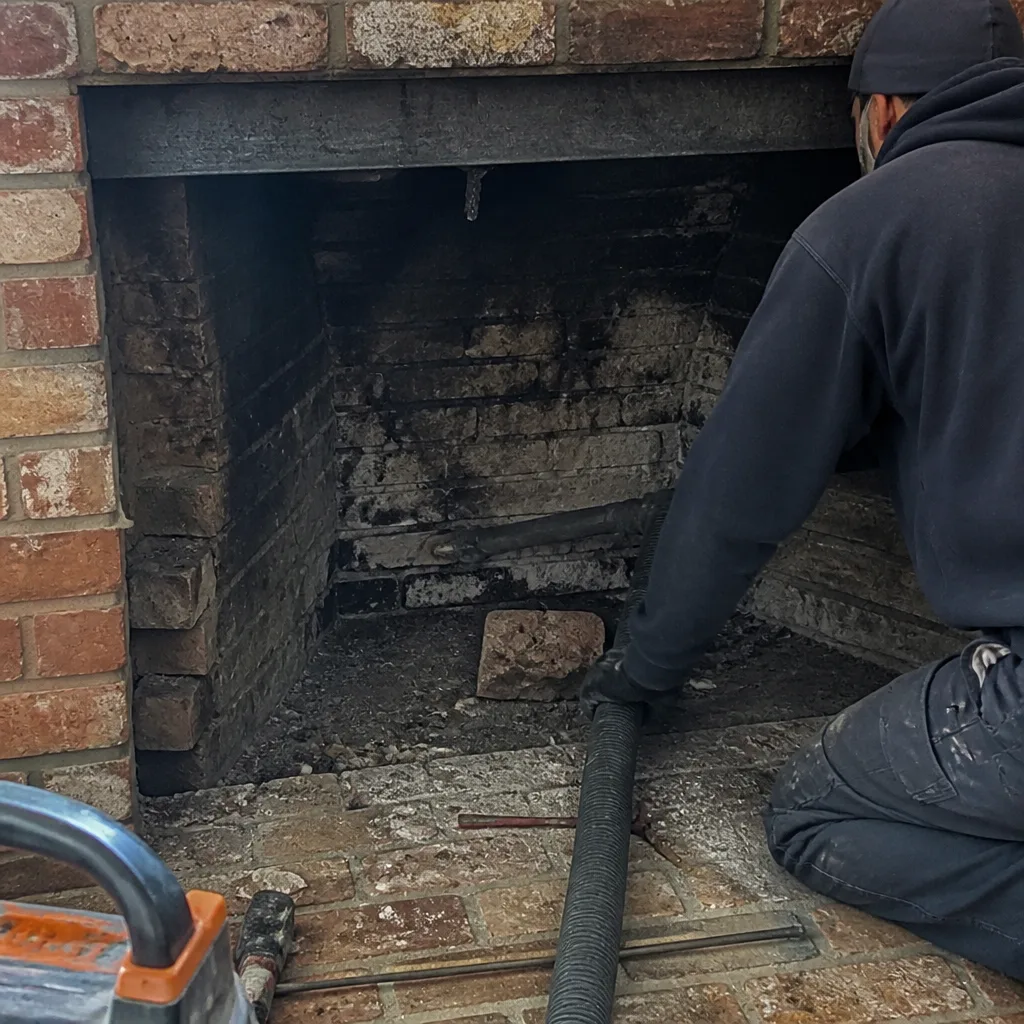 Before
 After
 Before
 After
Common Mistakes to Avoid
- Booking the cheapest quote without asking what’s included. A $150 flue-only sweep and a $350 full-system cleaning with inspection and report aren’t the same service. Compare on scope, not on the number in isolation.
- Skipping the camera on a first visit. If you’ve never had the flue inspected, or you don’t know the chimney’s history, the Level 2 upgrade is the most useful money you’ll spend this year. A visual check only covers what’s reachable.
- Ignoring a missing cap because the flue looks fine. In Redmond, water intrusion from an unprotected flue is the most common cause of expensive masonry damage. A cap is preventive, and it’s cheaper than the repair it prevents.
- Accepting a full reline quote without understanding the alternative. HeatShield flue resurfacing repairs structurally compromised tiles at a fraction of a full reline when the tiles are salvageable. Ask whether the damage is a resurfacing case or a true reline case.
- Taking a “looks fine” without explanation. You deserve to know what was checked and what was found, even if the answer is nothing. Ask for the report.
- Deferring the crown repair to “next year.” A hairline crown crack in June is a bigger repair after a Redmond freeze-thaw cycle. Small masonry work is one of the few things worth doing before the wet season rather than after.
- Choosing a contractor-grade liner to save $500. The liner is the part that carries the exhaust out of your home. Specify the grade, and know what you’re getting.
When to Call a Professional
Call a professional if it’s been more than a year since the chimney was cleaned and you burn wood regularly, if you’ve just moved into a Redmond home and don’t know the chimney’s history, if you’ve changed fuel type or appliance, or if you’ve had a chimney fire or a seismic event. Call before you buy or sell if you’re in escrow and the chimney hasn’t been independently inspected. Call if you notice a strong creosote smell in warm weather, water stains on the ceiling around the chimney, or a damper that won’t seal. Call if a previous sweep told you “everything looks fine” without explaining what they checked. Chimney Sweep Redmond offers free estimates in Redmond – call (855) 550-7958. We answer 24/7. Fast dispatch from 7am to 7pm, Sunday through Friday. A trained technician on the roof is the only way to know what’s actually there.
Frequently Asked Questions
A standard chimney cleaning in Redmond typically costs $150 to $350 depending on flue configuration, access, and creosote buildup. A Level 2 inspection with camera usually brings the visit to $250 to $500. Repairs found during the cleaning are quoted separately and set by the written estimate. Call (855) 550-7958 for an exact quote – estimates are free.
You need a new liner when the existing flue tiles are cracked, gaps at the joints are too large for resurfacing, or the liner has failed structurally – and none of those are things you should accept on a technician’s word alone. Ask for the camera images and ask whether HeatShield flue resurfacing is an option before a full reline. If the tiles are salvageable, resurfacing is often the right call. If the damage is extensive, the reline is the honest answer. Nothing gets recommended without camera evidence you can see, and if the work can safely wait, we’ll say so.
Once a year while the fireplace is in regular use, and always before the first burn of the season if it’s been more than a year. A Redmond homeowner burning wood regularly through the wet months should treat the annual sweep as a calendar item. Call (855) 550-7958 to get on the book – estimates are free.
Creosote builds up inside the flue with every fire, and at a certain thickness it can ignite. A chimney fire can damage the flue tiles and, in the worst case, spread beyond the chimney. Separately, a blocked or damaged flue can allow carbon monoxide to back up into the living space instead of venting outside. Neither outcome is common, and neither is worth the risk when an annual sweep and inspection catch the conditions before they become a hazard. Call (855) 550-7958 to book a sweep – estimates are free.
Yes, on a first visit to an unfamiliar chimney, after a chimney fire, after a change in appliance or fuel, or when buying or selling a home. The camera finds what a visual check misses, and the report gives you a documented baseline. The upgrade cost is small relative to the repairs it can catch early. Call (855) 550-7958 if you’re not sure which level you need – estimates are free.
Often yes, and it’s the right time to do it. Cap and crown work is preventive, and catching a failing crown or a missing cap during a cleaning prevents the water damage that follows in a Redmond winter. We install Gelco and Famco caps and crowns sized for the specific chimney. Call (855) 550-7958 to talk through what’s involved – estimates are free.
The Bottom Line
Chimney cleaning cost in Redmond in 2026 is best understood as a range, not a single number: $150 to $350 for a standard cleaning, $250 to $500 with a Level 2 inspection, and higher once repairs come into it. The quotes that look cheapest usually describe less work, less diagnosis, and less follow-through. Compare on scope, ask whether the camera is included, and ask what grade materials the company installs. The right cleaning is the one where the technician can show you what they found, tell you honestly what can wait, and fix the rest without a second contractor. That’s the standard worth paying for.
Written by the team at Chimney Sweep Redmond.